Online Reporter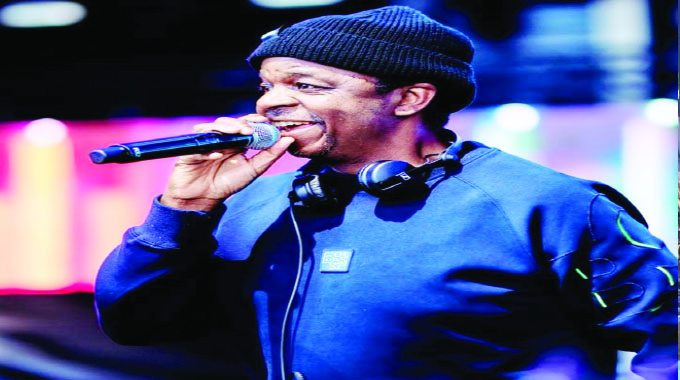
Langalakhe Mabena, Zimpapers Arts and Entertainment Hub
SOUTH African music legend and producer Oscar “Oskido” Mdlongwa has opened up about the circumstances that led to the birth of Kalawa Jazmee Records, revealing that rejection from major record labels compelled them to take the independent route — a decision that ultimately transformed the landscape of South African music.
Speaking in a video shared on his social media platforms, Oskido recounted how Boom Shaka, the pioneering Kwaito and Reggae fusion group comprising the late Lebo Mathosa, Junior Sokhela, Theo Nhlengethwa and Thembi Seete, created what they believed was a hit single, It’s About Time.
Released in 1993, the track showcased Boom Shaka’s bold and innovative sound, setting the tone for their debut album Kwere Kwere. The song’s message centred on progress and embracing change, encapsulated in its rallying call: “It’s about time you listen…”
However, the fresh and unconventional sound that would later dominate the streets and dance floors was initially dismissed by major record labels.
“We had a song that we believed in — It’s About Time — but the big record labels back then refused to sign us or market our music. They didn’t see the vision. They didn’t believe in the fresh sound we were pushing,” Oskido said.
He explained that this rejection became the driving force behind their decision to go independent.
“We knew our story and the struggles we were facing. That rejection became the reason we pushed harder. We had no big names, no fancy budgets, but we had belief and passion. That’s how Kalawa Jazmee was born,” he said.
The decision would go on to redefine South African music. Kalawa Jazmee evolved into one of the country’s most influential music stables, providing a platform for marginalised urban black musicians and producing an endless stream of hits.
Today, the label’s legacy includes nurturing and distributing music for some of the biggest names in the industry, such as Mafikizolo, Malaika, Bongo Maffin, Black Motion, Uhuru, Vigro Deep, Busiswa, DJ Maphorisa and even Zimbabwe’s own jazz sensation Berita Khumalo and Diliza, among others.
Oskido said their journey should serve as inspiration for young creatives to believe in themselves, even in the face of rejection.
“If you believe in something, go for it — even if no one claps at first. Every closed door teaches you how to open the right one. A black child can make it if they stay focused and determined,” he said.