


 Online Reporter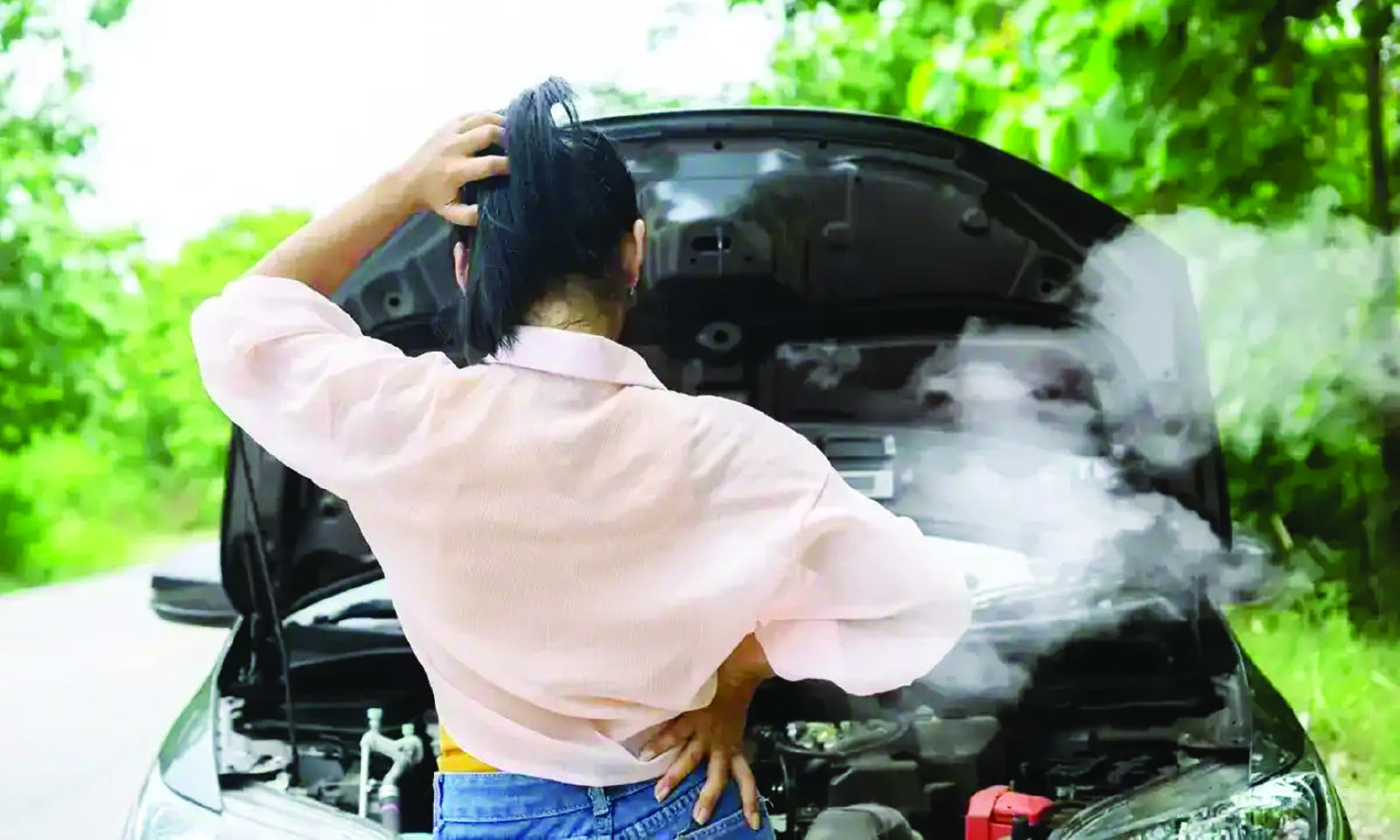
HOT WEATHER can put additional strain on your vehicle, accelerating its wear and tear, and increasing the risk of a breakdown.
Here is a guide on how hot weather affects your car, how to keep your vehicle in optimal condition during summer and what to do if, in a worst-case scenario, your car engine does overheat.
Monitor car fluid levels
Monitoring and topping up car fluid levels is crucial when driving in hot weather to ensure your vehicle operates smoothly and does not overheat.
Coolant, engine oil, brake fluid and power steering fluid all play vital roles in maintaining optimal performance.
In extreme heat, these fluids can degrade or evaporate more quickly, leading to potential engine failure or brake issues. If your car does not have enough coolant, for example, it is possible the engine could overheat, which could cause considerable damage.
Regularly checking and replenishing fluid levels helps avoid costly breakdowns and ensures your car’s systems run efficiently.
This proactive maintenance also reduces wear and tear, enhances safety and improves overall reliability, especially in the harsh conditions of hot weather.
Test your battery
Heat can put additional strain on everything, from your tyres to your car battery. Book your car in for a service before you hit the road and have your mechanic carry out a full inspection, including a battery test, at the start of the hot season.
Your battery may be affected by hot temperatures, which can impact its vital components, such as the sulphuric acid and distilled water, and weaken its charge. The heat can also speed up the corrosion process. Corrosion will irreversibly damage the internal structure of the battery.
Check your tyres
As the temperature rises, the air pressure in your tyres increases.
Over-inflation of tyres can interfere with braking and cause your tyres to wear out prematurely. Under-inflated tyres are also problematic because they have more flex.
This can contribute to heat build-up, making them more likely to wear and tear prematurely or possibly cause a tyre blowout. It is always a good idea to check your tyre pressure before any long drive because over- or under-inflated tyres will impact your car’s fuel efficiency and on-road performance.
Excess heat from the sun can also wear out your tyres faster. Check the tread depth on your tyres. On every tyre, there is a small bar next to the letters TWI (tread wear indicator). If your tyres are worn close to or in line with this bar, it is time to replace them.
Incorrect wheel alignment is another cause of tyre wear, particularly the inner and outer edges.
To check the tread on the inside edge of your front tyres, turn the steering wheel fully to the right or left, and if the tread is heavily worn, and the inside of the tyre is smooth, then it is time to book in for a wheel alignment and new tyres.
Get a car service
If you are about to embark on a road trip, particularly in summer, it is important that your car is in a safe condition and roadworthy. Generally speaking, you should get your car serviced every 10 000km or six months.
If it has been a while between car services, this is a priority. Hot weather can lead to increased mechanical stress, placing additional strain not just on your battery and tyres, but on your engine and other components, such as belts and hoses, too.
Regular servicing will also protect your car’s engine and other components. Adequate coolant, engine oil and brake fluid, air conditioning, power steering and wiper fluids are critical to the health and safety of your vehicle.
If you turn your car air conditioning on and you get a musty smell, you may need an anti-bacterial service or to replace the cabin/pollen filter.
If you are planning a road trip, book early as any work identified will need to be completed prior to travel.
On hot days, the road surface can become soft and sticky, particularly if it has been recently sealed. The heat can affect your tyre pressure and change the road surface. Try to avoid any potholes or cracks as you drive.
Manage fatigue and dehydration
High temperatures can cause dehydration, leading to dizziness, reduced concentration and slower reaction times, increasing the risk of accidents. Fatigue is also more common in hot conditions, as the body works harder to stay cool, which can impair judgement and reflexes.
To stay alert, drink plenty of water, take regular breaks and avoid driving when overly tired. Ensure your car’s air conditioning system is functioning properly to help regulate cabin temperature and help prevent heat exhaustion.
Keep an eye on the
temperature gauge
High temperatures can strain your vehicle’s cooling system, causing coolant to evaporate or become less effective. If the engine temperature rises too high, it can lead to serious damage, such as a blown head gasket, warped cylinder heads or even engine failure.
Keeping an eye on your car’s temperature gauge when driving in extreme heat allows you to take action early, such as pulling over to let the engine cool down or checking coolant levels.
Carry an emergency kit
Always be prepared for a breakdown. Common issues include a flat tyre, dead battery, overheated engine or engine failure.
Essential items to keep in your car include jumper leads, a torch, a phone charger and even a jerry. — can.rcv.co.au



