Online Reporter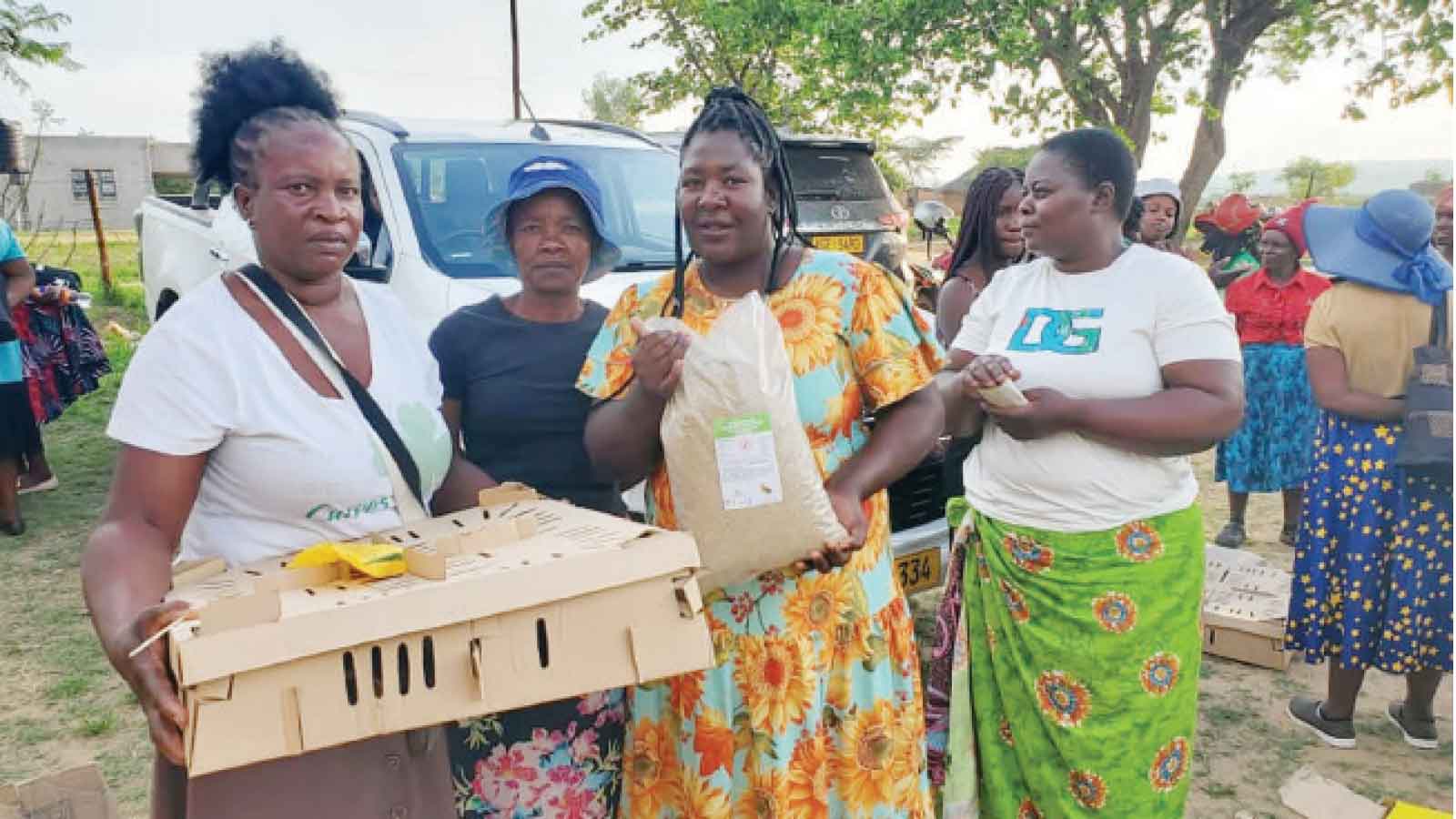
Theseus Shambare
TECHNOLOGY has reshaped daily life, offering connection, opportunity and information at the tap of a screen.
But the same tools have also exposed women to new forms of harm.
Globally, one in three women has experienced online harassment, while studies show up to 73 percent of women aged between 18 and 29 have faced cyberbullying in the past year.
Zimbabwean women — students, farmers, entrepreneurs and public figures — report similar threats, often with little protection.
As concern grows, so do calls for decisive action.
“As the world marks the start of the 16 Days of Activism (against Gender-Based Violence), we urge governments and communities to step up efforts to prevent and end violence against women and girls, especially online,” said International Organisation for Migration (IOM) director-general Ms Amy Pope.
Zimbabwe’s commemorations, running under the theme “Unite to End Digital Violence Against All Women and Girls”, highlight the urgent need to safeguard women in both online and offline spaces.
Yet, even as digital platforms become sites of harassment, women across the country are also transforming these same spaces into avenues for independence.
“Through projects like sanitary pad production, dishwashing in Epworth and online marketing, women — including sex workers — are turning digital platforms into spaces for income and independence.
“Every woman deserves dignity, safety and equal protection,” said Springs of Life Zimbabwe programmes coordinator Ms Precious Msindo.
Shamwari yeMwanasikana director Ms Ekenia Chifamba added: “Technology should empower, not harm girls. The fight against GBV (gender-based violence) now extends to every platform where girls seek connection and opportunity.”
In Goromonzi, 33-year-old Ms Talent Sibanda crouches beside her growing flock of indigenous chickens, counting eggs and taking photos to upload online. With a few taps, she reaches buyers across the district.
For a woman once intimidated by smartphones, the digital world has become a lifeline.
“For women like Mrs Sibanda, empowerment is now practical; digital marketing is reshaping daily life,” Ms Msindo said.
Talent’s journey began in October last year when she received her first batch of 10 indigenous chicks under the Presidential Indigenous Poultry Pass-On Scheme.
What started as a small beginning has grown into a thriving enterprise.
Barely a year later, she is now passing on chicks to neighbours, creating a chain of empowerment.
“Last year, I was being helped. Today, I am helping someone else,” she said.
A fortnight ago, more than 120 villagers in Goromonzi received 1 200 improved indigenous chicks under the pass-on scheme.
For many women, poultry represents financial independence, dignity and protection against economic abuse.
“When women gain control over productive assets, they gain decision-making power. A financially empowered woman is safer and less likely to face abuse,” said Goromonzi district development coordinator Mrs Prisca Dube.
Across the country, poultry projects are reviving livelihoods and strengthening resilience.
In Murombedzi, Zvimba district, China recently revived a project that had collapsed by donating hatcheries, incubators, solar panels and a generator.
Over 50 farmers now benefit at the Murombedzi Vocational Centre.
“The project started in 2019, but collapsed due to vandalism and electricity problems.
“In 2023, China Aid brought new equipment. The project is now viable and everyone is smiling,” district livestock specialist Mrs Sibusisiwe Madhiye said.
Women in the district are already seeing tangible gains.
Mrs Alma Nhariswa of Jari village now rears more than 300 chicks.
“I can provide for my children and even pay school fees without relying entirely on my husband,” she said.
Hope Cooperative vice chairperson Mrs Chenai Nyika earns more than US$300 per month from Black Australorp chickens.
“Online marketing helps me reach buyers far beyond my village. The internet made me independent,” she said.
China Aid senior agricultural expert Mr Zhao Ke said the initiative aligns with Government efforts to fight poverty and hunger.
“We want more village business units so families become self-sufficient,” he said.
While the 16 Days of Activism against Gender-Based Violence campaign highlights the dangers of cyberbullying and online abuse, rural women are reclaiming the same platforms for economic gain.
“Digital platforms have shifted from spaces of vulnerability to tools for empowerment,” Ms Chifamba said.
For women like Ms Sibanda and Mrs Nyika, online sales have expanded their markets dramatically.
“I used to carry eggs door-to-door. Now I post pictures and buyers collect them. The internet has changed my life,” Mrs Nyika said.
Digital marketing not only increases income, but also strengthens women’s bargaining power in households where economic dependence previously fuelled abuse.
Mrs Sarudzayi Chibamu recalls: “I didn’t know how to build a fowl run. Today I have over 200 birds and passed on chicks to another family.”
Another beneficiary, Mrs Mary Maponde, who is part of a 37-member cooperative, said: “We began with the same chicks and reinvested profits. Now each member has at least 150 birds. It pays school fees and expands our farms.”
Even elderly women are participating.
For 72-year-old Gogo Mashonganyika, the programme has restored purpose.
“I can no longer work in the fields, but I can raise chickens. I now pass on chicks to a young widow. It gives me purpose,” she said.
Men, too, have benefitted.
Mr Tawanda Majuru from Majuru village said poultry kept his family afloat when drought struck.
“They are small, but they save a family,” he said.
University of Zimbabwe lecturer and climate expert Dr Walter Svinurai said indigenous chickens offer a climate-resilient livelihood.
“These birds tolerate heat, survive on low-input systems and thrive where commercial breeds struggle.
“As rainfall becomes unpredictable, indigenous poultry will be essential for food security,” he said.
Extension officers and the Zimbabwe Free Range Poultry Association continue to train farmers on feeding, disease control and low-cost housing.
Meanwhile, officiating the pass-on programme in Goromonzi recently, Lands, Agriculture, Fisheries, Water and Rural Development Permanent Secretary Professor Obert Jiri said Government policy now prioritises economic and digital empowerment over dependency.
“This is not just poultry distribution. It is a social, digital and economic chain reaction; development succeeds when people receive, multiply and share,” he said.
Economic stress drives many GBV cases, and women who control assets gain protection.
Nemhara villager Mrs Charity Chadonha said: “We suffer most when there is no food. This project gives us strength and respect at home.”
Diversified livelihoods and ownership reduce vulnerability to both physical and digital abuse.
Under the pass-on scheme, each household shares chicks with another, building a supportive, expanding community network.
Women are not just recipients; they are contributors, entrepreneurs and leaders.
As the sun sets over Goromonzi, crates of chicks exchange hands amid ululations while phones buzz with online orders.
Women smile, confident in their income and their digital agency.
From victims of online abuse to digital entrepreneurs, rural women across Zimbabwe are proving that empowerment — on and offline — is a right.
Through poultry, clicks and community, they show that the fight against GBV grows one egg, one chick and one online sale at a time.
This year’s commemmorations of 16 Days of Violence against Gender-Based Violence will end on Wednesday.