Online Reporter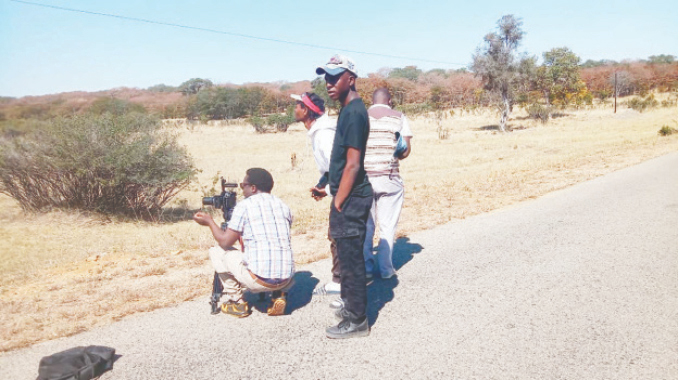
Mthabisi Tshuma-Zimpapers Arts and Entertainment Hub
The premiere of “Living In Harmony” at Soft Foot Alliance in Mabale in rural Hwange recently delivered a raw, unflinching look at one of Matabeleland North’s most pressing challenges.
This is the complex relationship between humans and wildlife in and around Hwange National Park.
The documentary was shot at Hwange National Park and in surrounding areas like Mabale, Chezhou, Dete, Dopota, Gwayi and in Harare through an interview with Zimparks spokesperson Tinashe Farawo.
Directed by Survivor Nyasulu and co-produced with Matesu Dube, both alumni of Lupane State University’s BA Honours Film, Television and Media Studies programme, this EU Culture Fund-supported documentary tackles the delicate balance between conservation and community survival with remarkable nuance and authenticity.
READ MORE ON
https://www.heraldonline.co.zw/human-wildlife-standoff-tales-through-camera-lenses/
The film’s greatest strength lies in its intimate portrayal of a conflict that extends far beyond simple statistics. Through carefully gathered testimonies from victims of animal attacks, Nyasulu and Dube present the human cost of living alongside some of Africa’s most magnificent yet dangerous wildlife.
The documentary does not shy away from the harsh realities: livestock lost to predators, crops destroyed by elephants and the ever-present threat of human-animal encounters that can turn deadly.
Yet “Living In Harmony” refuses to paint a one-sided picture.
The filmmakers demonstrate equal commitment to showcasing how human activities threaten wildlife populations through poaching – both for sustenance and ivory– and the use of dangerous methods to protect property and livelihoods.
Nyashulu said the most compelling segment of the documentary focuses on wire snares, presenting what emerges as a central environmental crisis in the region.
“The film follows rangers on their daily missions to locate and remove these deadly traps, transforming what could have been dry conservation footage into something deeply human and urgent.
“The creative solution of converting recovered snares into sellable artwork provides a hopeful note, with proceeds funding vital conservation efforts including the work of Painted Dogs Conservation, an organisation dedicated to protecting the endangered African wild dog,” said Nyashulu.
Nyasulu brings unique credibility to this project through his work as a ranger with Painted Dogs Conservation.
“My involvement in the organisation’s Wildlife Bush camp initiative educates primary school children about conservation. I have had a four-year-running wildlife conservation talk show on Skyz Metro FM,” said Nyashulu.
Dube said through Living in Harmony they hope to see a better balance between people and wildlife.
“Our wish is that this film encourages open discussion in communities on how best to deal with this challenge. We also hope it brings together communities, Government and other stakeholders to agree on clear steps to reduce human-wildlife conflict. Solving this issue needs everyone to work together.
“Working on this film was not easy because the subject is very sensitive. Some stakeholders did not want to be interviewed, and it was difficult to talk to victims of human-wildlife conflict, especially those who had been attacked by animals. With the support of community leaders, we were able to interview some victims, but we chose not to approach families who had lost loved ones, as many are still grieving. Despite the challenges, we managed to capture important voices and experiences for the film,” said Dube.