Online Reporter
Stanford Chiwanga, Quality Editor
THE Government of Zimbabwe, in collaboration with Unicef and development partners, has launched a pilot programme in Matabeleland South’s Mangwe District to implement a harmonised disability assessment protocol, marking a significant step towards fostering a more inclusive society. The initiative aims to improve access to disability services in rural areas, dismantle systemic barriers, and uphold dignity in the identification and support of persons with disabilities.
Two of Zimbabwe’s leading academics in disability studies, Professor Lincoln Hlatshwayo and Professor Tsitsi Chataika, played a pivotal role in the groundbreaking exercise they completed in June. Funded by SIDA through the Child Protection Fund (CPF) and the Unicef Child Protection Global Thematic Pool, their mission was to provide critical technical guidance to a multidisciplinary team of professionals from health, education, and social services.
The team field-tested a new, harmonised protocol for Disability Identification, Screening, Assessment, and Determination, which replaces fragmented methods with a standardised, person-centred system designed for more accessible and equitable services.
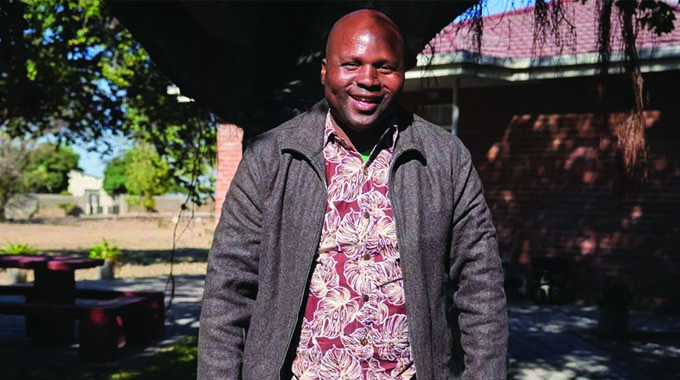
The insights from the Mangwe pilot will inform the refinement of the harmonised protocol ahead of nationwide rollout — setting a new standard for disability assessment and support in Zimbabwe. For Professors Hlatshwayo and Chataika, the work is a step towards a society where dignity is not an aspiration, but a guarantee for every person with a disability.
Co-ordinated by the Acting Director of Disability Affairs, Mrs Laizah Chorurombo, the team travelled to remote corners of Mangwe District, setting up temporary hubs to assess hundreds of adults and children with disabilities.
For three intensive days in Mkhaya Village and neighbouring communities, they worked to understand not only impairments but also the lived experiences and daily barriers faced by individuals.
Professor Hlatshwayo, the lead consultant for the pilot, explained that the new approach marks a radical shift.
Instead of relying solely on a clinical model, the protocol adopts a more inclusive, functional approach, drawing inspiration from the Washington Group on Disability Statistics (WGSS).
“Historically, disability identification in Zimbabwe has been very clinical. You had to go to a hospital or a doctor to get a diagnosis, and that medical label would determine what services you could access.
“This new approach is person-centred and reduces the burden on people in rural areas, who often cannot afford transport to health centres for assessments. Previous processes focused on what was ‘wrong’ with a person rather than on what they could do,” said Professor Hlatshwayo.
He said that the Washington Group approach, which asks about difficulties in daily activities such as seeing, hearing, walking, or communicating, offers a more practical and dignified solution.
“It’s not about giving a medical diagnosis but about understanding what barriers exist that prevent full participation.
This is a more humane approach guided by the social model of disability, which says it is not the impairment itself but society’s failure to accommodate that creates disability.”
The fieldwork confirmed that many individuals who may not be considered “disabled” under a strict medical definition are, in fact, functionally disabled by their environment, lack of infrastructure, and social stigma.
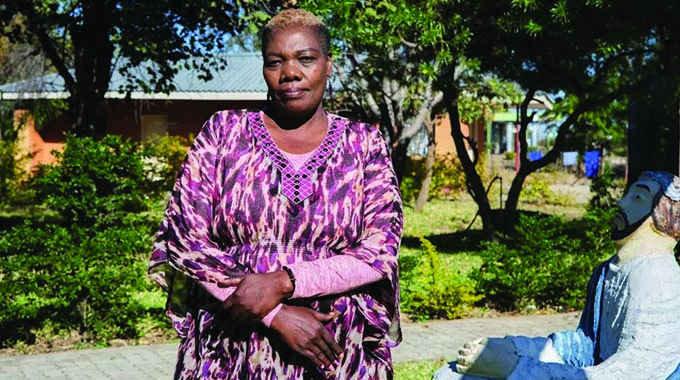
Professor Chataika underscored the collaborative nature of the pilot, which brought together the ministries of Public Service, Health, and Education, along with NSSA and civil society organisations.
“This is not a top-down, government-only effort. It’s an all-of-society approach. By bringing a multidisciplinary team directly to the community, we can identify needs comprehensively and connect people to a full range of services, from assistive devices to inclusive education and social protection programmes,” she said. — @plainstan