happiness Chikwanha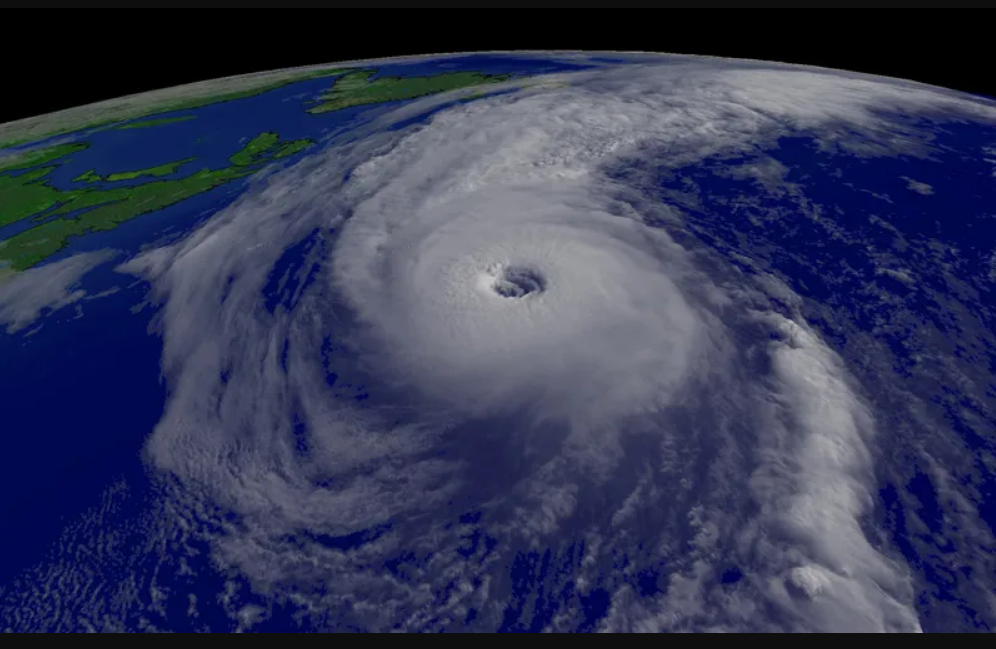
Forecasters at NOAA have been keeping a careful eye on Tropical Storm Francine ever since it formed over the weekend in the southwest Gulf of Mexico. Its initial designation was Potential Tropical Cyclone Six on September 8, 2024. As it drew closer to Louisiana the next day, it strengthened into a tropical storm and kept heading north.
Warm ocean water is critical for hurricane development and intensification. Storms and heat accelerate the evaporation of water, intensifying heavy rains.
Midway through September is typically the height of hurricane season, and Francine happened to pass through a particularly active region of the ocean at that time.
Francine became a Category 2 hurricane on Wednesday afternoon after reaching a sustained wind speed of nearly 100 mph (161 kph).
Landry and other state officials have worked with FEMA over the last three days to develop response plans. At least 2,300 members of the Louisiana National Guard, already mobilized as the hurricane approached, are part of this response. According to officials, hundreds of boats, high-water vehicles, and aircraft are ready to assist with search and rescue operations.
Louis Armstrong New Orleans International Airport has canceled all scheduled flights. The state of Louisiana has over 365,000 homes and businesses.
Mississippi and Louisiana’s governors have issued emergency declarations.
Louisiana Governor Jeff Landry issued a stern call to his fellow citizens during a Wednesday press briefing, urging them to remain home and not venture out.
The National Weather Service issued the most severe flood warning—a flash flood emergency—early on Wednesday evening.
A heavy blanket of rain engulfed the roads and poured into homes.
As of 11 p.m. ET, the storm was about 185 miles east-northeast of the Rio Grande mouth and 295 miles southwest of Morgan City, Louisiana.
The majority of Louisiana’s coastline is under hurricane watch, while the area between High Island, near Houston, and the Mississippi and Alabama borders is under storm surge warning.
Francine is the sixth named one this hurricane season. Although the season has gotten off to a fast start, this named storm is the first to hit the region in nearly a month.
According to data compiled by The Weather Channel, approximately fifty-seven hurricanes have passed through or made landfall in Louisiana since the mid-nineteenth century. Among these hurricanes are some of the most destructive, costly, and powerful that the US government has ever seen.
Morgan City is located on the banks of the Atchafalaya River in southern Louisiana, surrounded by marshland and lakes. Approximately 11,500 people are living there. The city’s website describes it as a “gateway to the Gulf of Mexico for the shrimping and oilfield industries.”
For seven isolated coastal communities, the Cameron Parish Office of Homeland Security and Emergency Preparedness has issued a mandatory evacuation order. Among them is Holly Beach. This beach in Louisiana is known as the “Cajun Riviera,” and many of the houses on stilts add to the relaxed atmosphere. Hurricanes have devastated this town, leading to multiple rebuilds. As a result, it is now a low-cost paradise for families, retirees, and oil industry workers.
Grand Isle is the last inhabited barrier island in Louisiana. Mayor David Camardelle ordered a mandatory evacuation for those in recreational vehicles and recommended that residents also evacuate. Hurricane Ida devastated the city three years ago, destroying 700 homes.
Hurricane Francine, which hit the coast of Louisiana before driving inland, caused widespread flooding and left hundreds of thousands of people without power.
According to utility tracker PowerOutage.us, the number of Louisiana customers without power decreased from over 450,000 to over 149,000 late Thursday night. According to the Public Service Commission, fewer customers are without power.
Television news broadcasts from coastal towns depicted waves crashing against sea walls, likely due to nearby rivers, lakes, and the Gulf of Mexico. A blinding downpour would flood the city streets. It appeared as though cypress and oak trees were also swaying in the strong winds, and a few utility poles did the same. Francine continued its journey inland, and heavy rains began to spread over New Orleans and the surrounding areas, increasing the likelihood of flooding.
On Thursday morning, it was moving over central Mississippi with 35 mph winds, and the National Hurricane Centre (NHC) predicts it will move northward towards Tennessee and the eastern edge of Arkansas.
Hurricane Francine caused more than seven inches of rain to fall on certain areas of New Orleans on Wednesday, making it the ninth wettest calendar day since records began in 1946. On average, the city receives barely five inches of precipitation in September. Even before the storm hit, the soil was soggy from the nearly eight inches of rain that had fallen earlier in the month.
Residents of Mississippi and Louisiana have received thousands of sandbags at no cost. Bags have long been an integral part of home defense systems, serving to trap water outside of dwellings and other structures.
People in the affected areas should prioritize their safety and then document the damage to help them when it comes to Hurricane Francine claims.
Every year, along the Gulf Coast and other hurricane-prone areas, Direct Relief distributes and oversees the distribution of hurricane preparedness packs containing medications and supplies. It designs these packs to assist individuals facing extreme poverty or natural disasters. Patients frequently require medications for chronic diseases and wound care supplies after storms, so the kits include them.
Residents in storm-prone areas should monitor weather reports and local authorities for any updates. Finalize evacuation plans, check that homes are secure, and stock up on emergency supplies. Do not put off taking action until the last possible second.
Stay tuned to your local radio or TV stations for the latest updates on any emergencies in these areas; residents should also continue to follow the orders given by state and local officials.
Everyone in your family, especially those who need special medical care or medication, deserves your undivided attention. If a severe storm separates you, plan how to communicate and reconnect. The English and Spanish versions of Ready.gov and Listo.gov provide storm preparation, response, and recovery information.



 Online Reporter