Online Reporter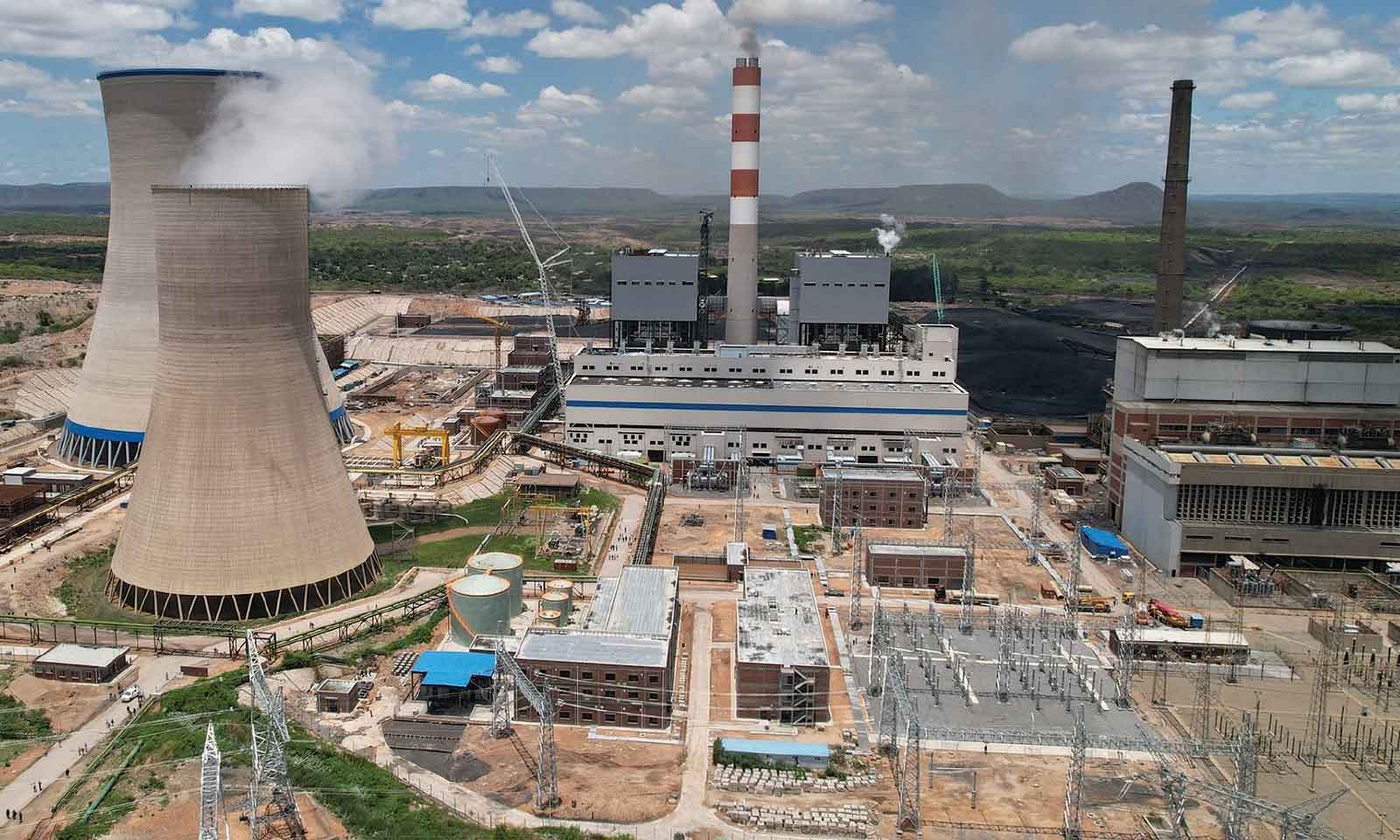
Zimpapers Business Hub
HWANGE Power Station continues to anchor domestic power production after contributing nearly three-quarters of the output in the third quarter of this year, according to the latest Index of Electricity Generation (IEG) released by the Zimbabwe National Statistics Agency (ZimStat).
According to the index, Hwange Power Station generated 2 079.2 gigawatt hours (GWh) during the third quarter, accounting for 68,6 percent of total electricity generated during the period under review.
Kariba Power Station followed with 831,3 GWh, representing 27,4 percent, while Independent Power Producers (IPPs) contributed the balance of 3,9 percent.
Hwange’s strong output comes as Zimbabwe continues to benefit from the expanded capacity at the thermal power plant, following the addition of units 7 and 8, to stabilise supply and reduce imports.
The expansion has strengthened baseload generation capacity and improved system resilience, especially at the country’s other major facility, Kariba South, whose output has been curtailed due to low water levels.
According to ZimStat’s Index of Electricity Generation, the overall electricity production rose to 121,5 in the third quarter of 2025, representing a quarter-on-quarter increase of 6 percent from 114,6 recorded in the second quarter of 2025.
On a year-on-year basis, the index of electricity increased by 13,7 percent compared to 106,9 recorded in the third quarter of 2024.
Despite improved domestic generation, Zimbabwe continued to rely on power imports to supplement domestic supply.
A total of 283,9 GWh was imported in the third quarter, representing an 8,5 percent increase from the 261,7 GWh imported in the previous quarter.
Mozambique’s Hidroeléctrica de Cahora Bassa (HCB) supplied 45,4 percent of the imported electricity, while DAM, under the Southern African Power Pool and Electricidade de Moçambique (EDM) contributed 25,4 percent and 11,3 percent, respectively.
Zambia’s ZESCO supplied 17,8 per cent, while Eskom contributed a marginal 0,1 percent.
Zimbabwe’s peak electricity demand peaks around 2 200 megawatts (MW), while generation often falls short, fluctuating between 1 000MW and 1 400MW.
This creates a significant supply gap that requires bridging with imports and new projects to address growing needs from mining, industry and households.
Electricity exports slightly declined during the period, with 235,6 GWh exported in the third quarter, a 0,1 percent decrease from 235,9 GWh in the second quarter.
Of the 157,1 GWh exported, NamPower of Namibia received 62,1 GWh, 39,5 percent of the total, while Copperbelt Energy Corporation (CEC) got 69,8 GWh, 44,4 percent.
According to ZimStat, electricity distribution also rose significantly, with 2 489,9 GWh of electricity distributed during the third quarter, up 15,8 percent from 2 150,7 GWh in the second quarter.