

 Online Reporter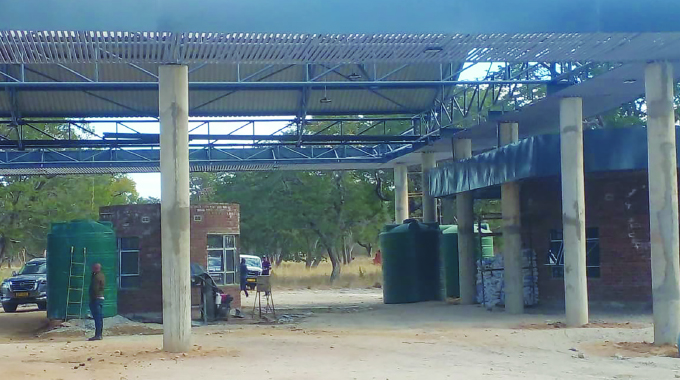
Fairness Moyana in Dete
GOVERNMENT has hailed the Hwange National Park ‘One Stop Access Pavilion’ as a transformative development that will significantly enhance the quality of the visitor experience at the iconic resort destination.
Speaking after touring the Pavilion on Wednesday, Special Advisor to the President on Monitoring Implementation of Government Programmes and Projects, Dr Joram Gumbo, said the facility would improve accessibility while promoting eco-tourism.
“The pavilion will boost tourism arrivals by improving first impressions and accessibility, enhance the quality of the visitor experience through world-class amenities, and promote eco-tourism and conservation education as central elements of our tourism brand,” he said.
“This state-of-the-art facility represents more than just an entry point into one of Africa’s most iconic national parks — it is a living testament to our national commitment to sustainable development, wildlife conservation and tourism excellence in alignment with Vision 2030.”

The US$1.4 million investment, funded through a partnership between the Zimbabwe Parks and Wildlife Management Authority (ZimParks) and the International Fund for Animal Welfare (Ifaw), includes a modern visitor information centre, ablution facilities to improve comfort and hygiene, a fully functional access gate with advanced infrastructure and three staff housing units to support conservation personnel.
Dr Gumbo said the development was the result of a strategic partnership and would elevate Hwange’s competitiveness on the global tourism stage. He noted that the pavilion not only preserves Zimbabwe’s rich natural heritage but also unlocks substantial economic opportunities for local communities and the nation at large.
“The pavilion is a bold statement of our enduring commitment to safeguarding biodiversity for generations to come,” he said.
Hwange National Park is widely regarded as the crown jewel of Zimbabwe’s conservation landscape, home to one of the largest elephant populations in the world, along with a wide variety of other wildlife species.
Dr Gumbo called for the replication of similar models in other national parks across the country.
“Going forward, this calls for the need to harness public-private partnerships to expand conservation efforts, strengthen tourism infrastructure, and embrace technological solutions,” he said.
The project, which is 95 percent complete, is expected to be completed by the end of July, with only minor civil works remaining.
Meanwhile, Minister of State for Provincial Affairs and Devolution in Matabeleland North, Richard Moyo, said the project would create economic opportunities for local communities, particularly in curio vending and cultural heritage promotion.


