Chronicle Editor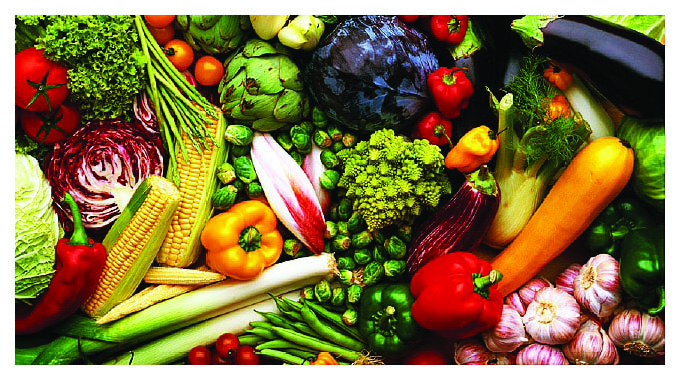
THE good rains received in the 2020/21 agricultural season have motivated villagers in Hwange rural to embrace nutrition gardens.
A recent visit by the media to various nutrition gardens in parts of Hwange revealed that the gardens are fast becoming the hope of the communities to evade hunger and poverty. Nutrition gardens are being coordinated by villagers with technical support from the Agritex department and other supporting organisations.
The annual Zimbabwe Vulnerability Assessment Committee (ZIMVAC) Rural Livelihood Baseline Profiles notes that north-western Zimbabwe which includes Hwange district is a dry, remote and a resource-poor area suffering from chronic food insecurity.
“Cultivation of maize, sorghum, millet and pulses is unreliable and wild foods are consumed during the lean season.
Infertile soils, adverse weather conditions, foraging wild animals and poor input and output market access are the biggest constraints to crop production,” notes the 2020 report.
A notable scheme is the government-owned Lukosi irrigation nutrition garden which measures 29,2 hectares, accommodating 73 beneficiaries with the majority being women.
In filling the gap, World Vision, an international non-governmental organisation has facilitated the establishment of about 21 of irrigation schemes across the Hwange district.
Word Vision Hwange Area Manager Mr Lovemore Nyoni noted that one of the root causes of rural poverty in Hwange was drought.
“Due to climate change, droughts have become more frequent and more severe leading to serious crop and livestock losses and therefore, food insecurity for many families.
“The objective is to strengthen the resilience of vulnerable households to drought and other disasters that threaten to disrupt the livelihoods of families in Hwange,” said Mr Nyoni.
In a bid to uplift the lives of the locals, World Vision has adopted climate-smart agriculture techniques through solar-powered pumping systems, dams and irrigation systems which allow all year round farming and therefore, higher yields and more crop diversification.
“This leads to more food and income through vegetable sales for households. More income means families can better take care of their children.
“The end game is to ensure families have a better capacity to provide for their children. Moreover, the families sell some of the vegetables which improve family income. Better income means families can better take of other needs of children,” said Mr Nyoni.
Hwange Rural District Councillor of Lukosi ward Councillor Ishmael Kwidini said there were many benefits coming with nutrition gardens.
“The government assists with inputs. The gardens are essential for food security from produce in the garden, they also give occupation to jobless villagers and create hope of development regardless of climate change,” he said.
The locals are farming a variety of vegetables such as onions, tomatoes, broccoli, pepper, butternuts, eggplant and carrots and some were into maize. -The Citizen Bulletin


 Online Reporter