Online Reporter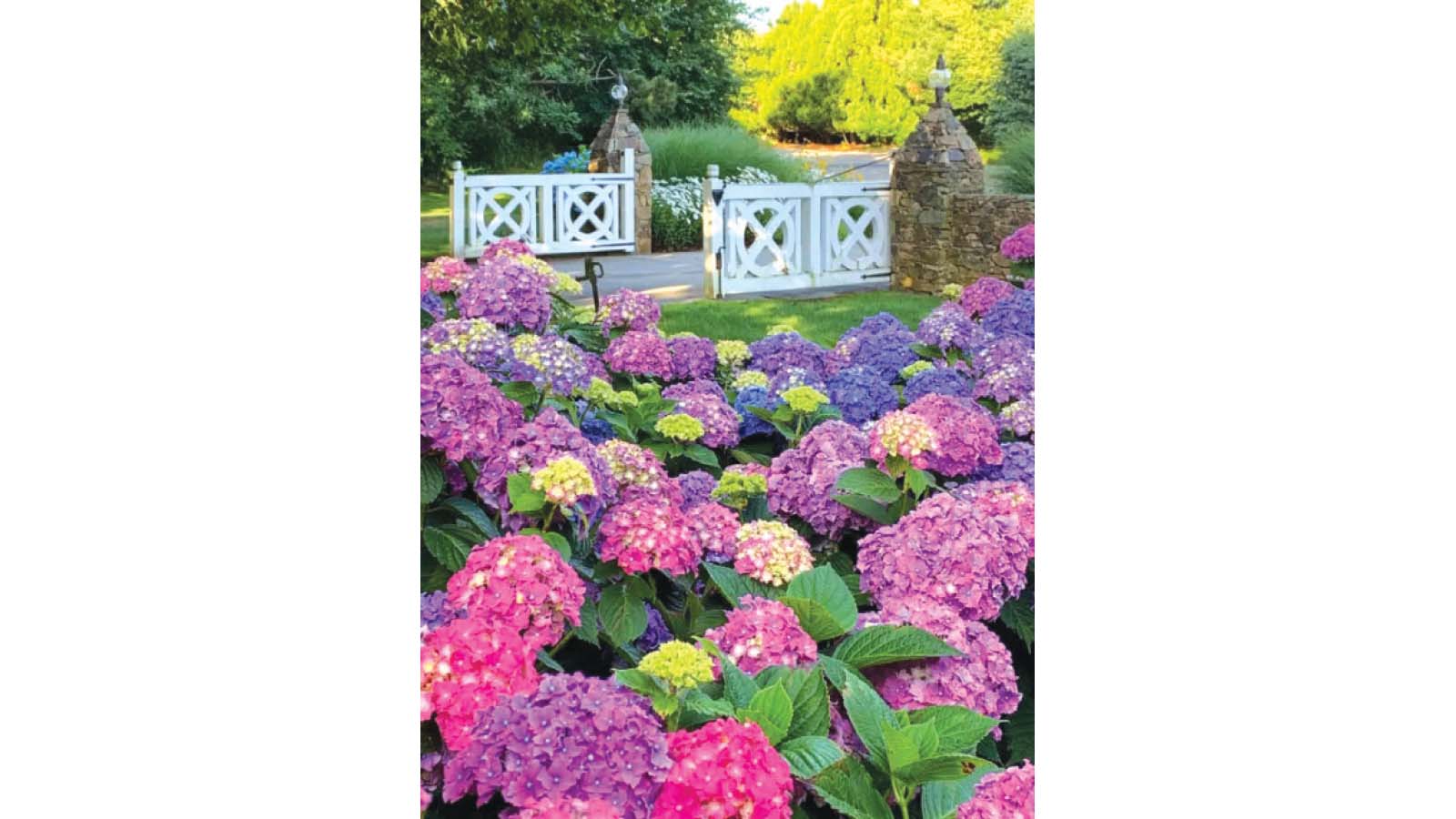
Andrew Mangwarara
DURING the years I have spent gardening, I have come across many plants of different shapes and colours, but very few possess the presence of hydrangeas.
Any day comes to life when they flower, and their popular blue and pink colours are truly dazzling.
Hydrangea is a genus of more than 70 species of flowering plants native to Asia and the Americas.
It (hydrangea) is also used as the common name for the entire genus, and some species, particularly macrophylla, are often called hortensia.
The genus was first described in Virginia, North America, but by far the greatest species diversity is found in eastern Asia, notably China, Korea and Japan.
Most are shrubs one to three metres tall, but some are small trees and others are lianas reaching up to 30 metres by climbing up trees.
They can be either deciduous or evergreen, though the widely cultivated temperate species are all deciduous.
Even more amazing is the fact that sometimes two colours can be spotted on one bloom, thereby creating an intriguing mystery.
While hydrangeas or hortensias have historically made many gardeners hesitant to try growing them, better varieties have emerged through continuous breeding over the years.
They are useful in groupings, pots and as border shrubs.
Most hydrangeas thrive in rich, porous and moist soils.
They prefer full sun in the morning and shade in the afternoon, although they will also succeed in partial shade.
Start your hydrangeas in spring by digging a hole at least 60 centimetres deep and a metre wide.
To plant your specimen, place it in the hole and fill it up with soil halfway, then water the plant. After the water has drained, fill the rest of the hole with additional soil.
Water the hydrangeas regularly and thoroughly, particularly during the first two years of establishment, as the leaves will wilt if your soil becomes too dry.
For those with good soils, fertilising is not necessary, as excess nutrients can result in excessive vegetative growth that delays flowering.
However, a fertiliser rich in potash can encourage blooming.
Sandy soils will need some fertilising at least once a year at the end of winter or in the spring. With some patience, a hydrangea’s bloom colour can be changed over a two-year period.
The bloom colour is easily shifted from blue to pink, although it is more difficult to change it from pink to blue.
Usually, hydrangea macrophylla and hydrangea serrata can be altered by adjusting the soil pH.
Acidic soils with a pH below 5,5 produce blue flowers, whilst soils with a higher pH, typically between 7,5 and 8, produce pink flowers.
White-flowered hydrangeas are not affected by soil pH.
Adding fertilisers like ammonium nitrate or ammonium sulphate can make the soil acidic, while ordinary tea leaves and peat-based composts can also help lower the pH.
Watering lime into the soil will raise the pH, but you must proceed with caution, as this can be irreversible and plants in such soil may become chlorotic, developing yellow leaves because they are unable to take up iron.
Some pruning is essential to remove old, dead wood after the flowers have faded in summer or you can cut back dead wood in late winter or early spring.
Cut close to the base of the stem to encourage branching.
In the case of old, neglected plants, you can remove all the stems to help rejuvenate the plant entirely. In the language of flowers, hydrangeas symbolise gratitude for being understood.
Therefore, the next time you resolve a conflict, consider giving the other party a hydrangea as a sign of your appreciation. As for plant enthusiasts, growing hortensias is a lifelong hobby that cannot be easily abandoned, as it brings immense satisfaction.
If you would like to be featured in our green-up campaign, contact us on: [email protected] or [email protected]