Peter Matika [email protected]
THOUSANDS of Zimbabweans could be walking around with a potentially life-threatening condition without knowing it, as hypertension continues to pose a major public health threat.
Doctors have warned that the disease can silently damage vital organs before its victims experience any symptoms.
Hypertension, commonly known as high blood pressure (BP), is increasingly becoming a major public health concern because it can develop without obvious warning signs, allowing sufferers to go for years without diagnosis or treatment.
Unlike illnesses that immediately present noticeable symptoms, hypertension can silently damage vital organs, with some patients only discovering their condition after experiencing serious complications.
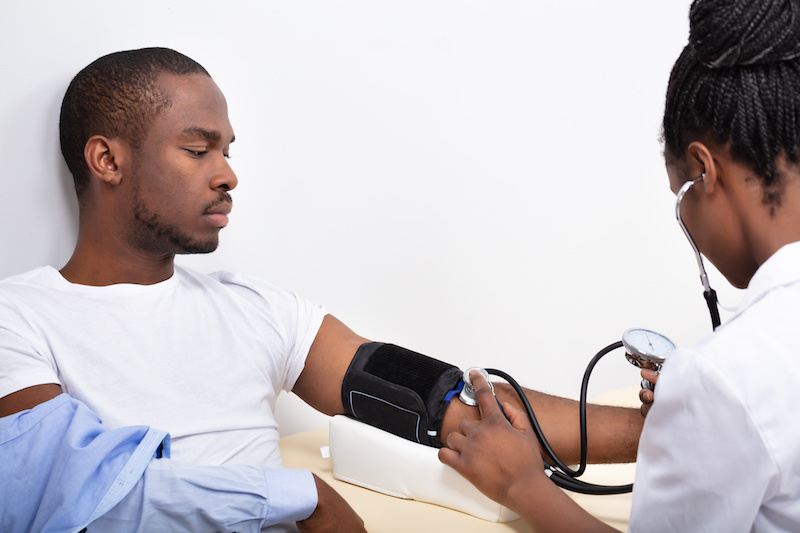
It is, therefore, prudent for members of the public to get checked, as medical practitioners have continuously urged members of the public not to wait until they feel unwell before seeking medical attention.
They have emphasised that regular screening, early diagnosis and treatment adherence are critical in preventing avoidable deaths.
Local medical practitioner, Dr Dingumuzi Sithole, said it is a very common situation for someone to have high blood pressure and not notice any physical symptoms.
“What this means is, someone may not have the symptoms they expect to have when they have a serious condition such as hypertension. This means you’re not feeling physically unwell, but you do have high blood pressure,” he said.
“So, the silent killer then comes in, in the sense that when you finally do realise you have hypertension, it’s already done quite a lot of damage. Hence the expression.”
Dr Sithole said major factors driving hypertension in Zimbabwe are diet, stress, alcohol consumption, obesity and sedentary lifestyles.
He said hypertension is noted to be high especially among people of colour, as they are generally more sensitive to sodium and the modern diet has plenty of sodium.
“Sodium is not just table salt, sodium chloride, but there is sodium in many food products. That’s one reason hypertension is very high in Zimbabwe. A sedentary lifestyle is definitely a factor. It’s a consequence of modernisation. We’re not as active as we used to be. Everyone drives; people get very little physical exercise done. It’s also the consequence of modern lifestyle,” he said.
Dr Sithole mentioned that sedentary jobs were a contributory factor.
“So, we spend a lot of time sitting and when you are not sitting, you are driving from your office to home. So, pretty much the only distance you cover is the distance from your bed to the kitchen, to your car and maybe from your car to your desk. That’s the only distance you will cover the entire day,” he said.
Dr Sithole said more middle-aged and younger people are becoming more vulnerable to high blood pressure because of lifestyle choices.
“The condition traditionally affects elderly people. The only reason you get hypertension is because of your ageing genes and bodies. But now younger people are exposed to poor lifestyles for longer periods and then now they have hypertension as well,” he said.
Dr Precious Madzimbe, a specialist paediatric physiotherapist, said hypertension is a serious public health concern.
“WHO’s 2025 Zimbabwe profile estimates that 1.9 million adults aged 30 to 79 had hypertension in 2024, with an age-standardised prevalence of 38 percent. Only 18 percent of those with hypertension had it controlled,” he said.
“These are estimates for a defined age group, not a count of every Zimbabwean with high blood pressure.”
Dr Madzimbe said younger people are certainly not immune. He said people could feel perfectly well while their blood pressure remains high and gradually damages important organs.
“WHO estimates that 600 million adults worldwide were unaware of their hypertension in 2024. In Zimbabwe, the 2025 profile puts diagnosis at 49 percent among affected adults aged 30 to 79, suggesting that roughly half or about one million people in that age group remained undiagnosed,” he said.
Dr Madzimbe said his main area of practice is paediatric physiotherapy, although his wider physiotherapy work includes stroke rehabilitation.
“High blood pressure is an important risk factor for stroke, but I would not attribute an individual patient’s stroke to hypertension without confirmation in their medical history. Physiotherapy also supports safe physical activity; diagnosing hypertension and prescribing medicines require medical assessment,” he said. “Children can develop hypertension too, particularly with obesity or underlying kidney disease, and should receive appropriate medical evaluation,” he said.
Dr Madzimbe said the main modifiable risks include too much salt, excess body weight, insufficient physical activity and excessive alcohol use. Dr Madzimbe said hypertension affects people of any age.
“Age increases the risk, but it does not set a minimum age for hypertension. Younger adults can already have several risks together, such as obesity, little exercise, heavy drinking and a family history. In a young person with high blood pressure, clinicians must also consider causes such as kidney disease, hormonal problems, sleep apnoea or medicines that raise blood pressure,” he said.
Dr Madzimbe said if hypertension is undiagnosed, it damages blood vessels and makes the heart work harder. Over time, it can lead to a stroke, heart attack, heart failure and kidney disease and can damage the eyes.
“Some complications are fatal; others leave lasting disability. From a rehabilitation perspective, a stroke can affect walking, self-care and the ability to work, placing a considerable burden on the family,” he said.
However, he said with good control and regular check-ups, many people continue working, exercising and enjoying family life.
Management combines healthier eating, less salt intake, appropriate physical activity, weight management and prescribed medicines when needed.
“A clinician chooses treatment according to the individual’s health and response. Physiotherapists can help tailor exercise for people with disability or other limitations, alongside medical care,” said
Dr Madzimbe.
He warned that feeling better can be mistaken for being cured among hypertension patients.
“A normal reading may actually mean that treatment is working. Side effects, cost, difficulty obtaining refills and uncertainty about long-term treatment can also make adherence difficult,” he said.
“Stopping treatment without advice can allow blood pressure to rise again and increase the risk of serious complications. I would encourage patients to discuss difficulties openly with their clinician or pharmacist so that treatment can be reviewed, rather than stopping on their own,” said Dr Madzimbe.
He urged all Zimbabweans to take steps to protect themselves and have their blood pressure checked regularly.
“Start by knowing your blood pressure. Reduce salt, avoid tobacco, limit or avoid alcohol, manage weight and aim for at least 150 minutes of moderate activity a week, adapted to your health. As a practical recommendation, I encourage an annual check, especially from age 40 or when risk factors are present,” he said.
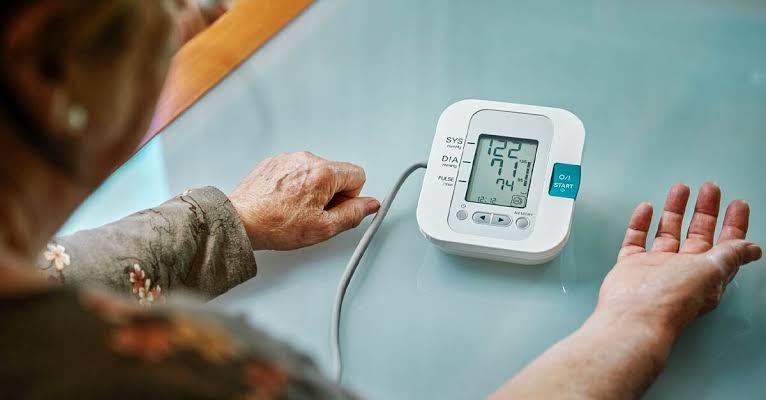
Dr Madzimbe said a simple measurement can identify a problem before it causes serious harm. If the reading is raised, seek assessment and follow the advice you are given. Do not wait for symptoms or assume that being young protects you. Knowing your blood pressure allows you to act early.