Langa Mabena
A relationship breakdown has the power to shatter a person’s sense of self-worth and confidence. It may create feelings of rejection and even inadequacy, causing someone to question their value, purpose and can ultimately worsen already existing mental health issues and make it difficult to cope with everyday challenges.
Relationship breakdowns can impact suicidal ideation. It is sad that some people, statistics have proven that especially some men cannot take relationship disappointments lightly and therefore opt for cutting short their lives.
It is sad indeed and even to the woman who would have been involved with him. It is unfortunate that the surviving partner remains to suffer for someone’s actions, which were beyond his/her control, but this is a story for another day.
Committing suicide after a relationship breakdown is not funny at all, please this habit must stop!
The distress caused by a relationship breakdown can become overwhelming, so much that it leads to thoughts of suicide.
Feelings of hopelessness and grief may consume your thoughts, leaving you unable to envision a future without the suffering and/or hurt you are feeling. If you are struggling, suicide may seem like the only way to escape the emotions you are experiencing.
If you have experienced multiple relationship breakdowns in your life, you may be at an increased risk of suicidal ideation. Each loss experienced can magnify the upset, making it harder to believe that things will ever improve.
Without adequate support and intervention, you may feel trapped in a cycle of pain with no way out.
It’s helpful to be able to recognise the signs of suicidal ideation in people who have experienced relationship breakdowns and even spotting the signs in yourself.
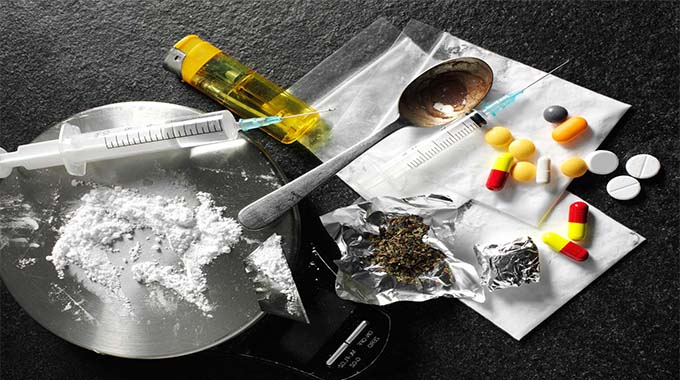
These may include sudden changes in mood and behaviours, expressing feelings of hopelessness, talking about death or suicide, withdrawing from social interactions, or abusing harmful substances such as drugs or alcohol. If you or someone you know is experiencing these signs, it’s important to reach out for support.
Providing or helping to source supportive interventions can make a life-saving difference in helping someone cope with the aftermath of a relationship breakdown and reducing the risk of suicidal thoughts. The approach might differ from person to person.
It is important for those around someone struggling to respect the person’s wishes and boundaries when it comes to their preferred method of coping. It’s also vital that those offering support provide a safe and non-judgemental space for their loved one to express their feelings, enabling them to feel heard and understood.
We are all affected by situations differently and while a relationship breakdown might be a manageable scenario and an almost normal part of life for one person, it can feel like the earth shattering for someone else.
Relationships can be one of the most important aspects of our lives, providing support, love and companionship, yet we can sometimes forget just how crucial our connections with others are for our health.
They are not just connections, they are a huge contributing factor to our emotional health, shaping our perceptions, attitudes and overall well-being.
Relationships, whether they are romantic, familial or platonic can have a significant impact on our mental health, both positive and negative. It’s not about the quantity of connections, but the quality that truly counts. So, when a relationship breaks down, the emotional impact can be devastating.

The end of a relationship whether sudden or anticipated can bring with it a wide range of emotions, including grief, defeat, anger, loss, hopelessness and loneliness. This sense of loss can be especially impactful if the relationship formed a significant part of someone’s life or support system.
It’s equally important to note that not all relationships are healthy or beneficial for a person’s well-being. Toxic relationships consisting of emotional abuse, manipulation or consistent negativity can have damaging effects on a person’s mental health.
Despite the initial difficulty of acknowledging and confronting the toxicity, it’s so important to recognise when a relationship is not serving your best interests.
Often, people may find themselves staying in toxic relationships (this extends to friendships and family dynamics) out of fear of loneliness, guilt or a misplaced sense of loyalty.
However, staying in these damaging relationships can in fact contribute to feelings of worthlessness and add to a cycle of emotional turmoil.
It is said living in conflict or within a toxic relationship can be more damaging than being alone.
Learning to recognise the signs of a toxic relationship such as constant criticism, lack of respect for boundaries and a feeling of being drained after interacting with the person is the first step towards healing your mental and emotional well-being.
Know that prioritising your own mental health and happiness is not selfish; it’s an act of self-care. Ending toxic relationships, though challenging, can ultimately lead to better emotional resilience and a renewed sense of self-worth.
Relationships are not immune to the challenges and stresses of everyday life. Whether it’s financial difficulties, health issues or personal conflicts, external pressures can take a toll on even the strongest of bonds.
However, it’s important to recognise that facing challenges in a relationship does not inevitably lead to a breakdown. Sometimes, all it takes is effective communication, empathy and a willingness to work through difficulties together.
If you are facing a challenging time, you need to talk to someone you trust. Communicate your feelings or make it known that you are experiencing a challenging time in your life and get some support.
When the relationship is not serving your best interests, run! No relationship is worth your life because the other party will just replace you.



 Online Reporter