Online Reporter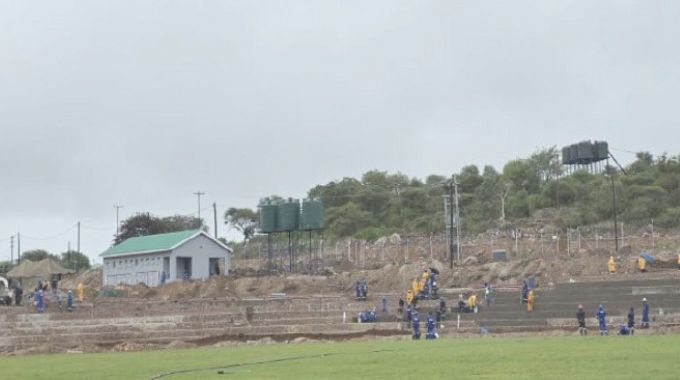
Sikhumbuzo Moyo, [email protected]
EVERY year on April 18, Zimbabwe pauses, if only for a moment, to reflect on one of the most defining milestones in its national story. It marks the day in 1980 when the country finally cast off the heavy chains of colonial rule and stepped into the promise of self-governance. Yet Independence Day is far more than a date etched into the calendar, or an occasion defined by speeches and celebration. It is a living, breathing narrative — one woven from sacrifice and resilience, from hope and heartbreak, and from an enduring search for national identity.
As the country prepares to commemorate 46 years of independence, this year’s Uhuru celebrations will be hosted in Maphisa, Matabeleland South province, under the theme: “Zim@46 – Unity and Development Towards Vision 2030.” The theme is both reflective and forward-looking, deliberately linking the liberation legacy to Zimbabwe’s contemporary development ambitions. More than 50 000 people are expected to gather at the venue, where President Mnangagwa will lead the commemorations with a keynote address.
Independence was not handed to Zimbabwe on a silver platter. It was earned through years of armed struggle, painstaking diplomatic engagement, and the unwavering courage of liberation fighters and ordinary citizens alike. The scars of that struggle remain etched in the nation’s collective memory, serving as a solemn reminder of the true cost of freedom.
The story of independence is not confined to textbooks or national ceremonies. It lives on in the voices of war veterans who remember the harsh realities of the liberation struggle; in rural communities that hid and fed fighters at great personal risk; and in the spirit of unity that brought together diverse groups under a single, shared cause.
For those who lived through that era, Independence Day remains deeply personal. It is a day to remember fallen comrades, to honour sacrifices made, and to revisit a dream that once felt impossibly distant, but ultimately became reality.
Maphisa takes centre stage this year as the host of the national celebrations, a choice that reflects a deliberate policy shift under the Second Republic’s Devolution Agenda. Since 2021, Zimbabwe has adopted a rotational system for hosting Independence Day and Children’s Party celebrations across its 10 provinces.
The rotation has seen Harare host in 2021, Bulawayo in 2022, Mashonaland Central in 2023, Manicaland in 2024, Midlands in 2025, and now Matabeleland South steps firmly into the spotlight in 2026.
This decentralised approach is more than symbolic. It is a strategic effort to spread development equitably across the country. Hosting national events brings with it infrastructure upgrades — from roads and stadiums to communication networks and essential public facilities — transforming host communities and leaving behind a tangible, lasting legacy.
In Maphisa, preparations are already under way to ensure the area rises to the occasion. For local residents, the celebrations are not merely a national event; they represent opportunity — for growth, visibility and a renewed sense of pride in their community.
The theme of unity and development resonates strongly with Zimbabwe’s Vision 2030, which seeks to transform the country into an upper middle-income economy. It underscores the central role of unity as a foundation for sustainable development.
Unity, in the Zimbabwean context, is both historical and aspirational. It was unity that enabled the nation to overcome colonial rule, and it is unity that will continue to drive progress in the years ahead.
Development, meanwhile, is the tangible expression of independence. It is seen in improved infrastructure, greater access to education and healthcare, widened economic opportunities and an enhanced quality of life for all citizens.
The intersection of unity and development captures a broader truth: independence is not static. It evolves with time, shaped and reshaped by the aspirations, responsibilities and actions of each generation.
Independence means different things to different people. For the generation that fought for liberation, it is the ultimate symbol of sacrifice and victory — a hard-won achievement that must never be taken for granted. For them, April 18 is a day of reflection, honour and remembrance.
For younger Zimbabweans, born into freedom, independence carries a different weight. It is both an inheritance and a responsibility. While they did not experience colonial rule first-hand, they are entrusted with shaping the country’s future.
In rural areas, independence often carries deep ties to land, heritage and cultural identity. It speaks to belonging — to reclaiming what was once taken and safeguarding it for generations to come.
In urban centres such as Harare and Bulawayo, independence is increasingly associated with economic opportunity, innovation and global engagement. It is about jobs, entrepreneurship and competitiveness on the international stage.
Despite these varied interpretations, a common thread binds them all: the collective desire for a better Zimbabwe.
Independence Day is marked by vibrant celebrations across the country. Stadiums burst into colour and energy as citizens gather to witness military parades, traditional dances, musical performances and official addresses.
The national flag is raised and waved with pride, its colours symbolising the country’s values and struggles — green for agriculture and land, yellow for mineral wealth, red for the blood shed during the liberation struggle and black for the people of Zimbabwe.
Yet beneath the pageantry lies a deeper purpose. Independence Day is also a time for introspection — a moment to measure progress and confront the challenges that remain.
Independence in 1980 marked the opening of a new chapter, not the conclusion of the story. The journey towards building a prosperous, inclusive nation is still unfolding.
Zimbabwe has made notable strides over the decades, but challenges persist. Economic fluctuations, social inequalities and global uncertainties continue to test the nation’s resolve.
Even so, Independence Day stands as a powerful reminder of what Zimbabweans can achieve when united by a shared purpose. The same determination that secured freedom can be harnessed to drive development and national transformation.
Perhaps the greatest significance of Independence Day lies in its role as a bridge between generations.
It connects past struggles to present realities, ensuring that the sacrifices of yesterday are never forgotten. At the same time, it inspires the future, encouraging young Zimbabweans to uphold the ideals of unity, equality and self-determination.
Education, storytelling and national commemorations all play a vital role in preserving this legacy. Through them, the story of independence is passed on, kept alive in the hearts and minds of each new generation.
Zimbabwe’s Independence Day is more than a public holiday. It is a living narrative that stretches far beyond April 18.
It is found in the songs sung in celebration and remembrance.
In the stories shared by elders.
In the daily efforts of citizens striving to build a better nation.
It lives in every act of resilience, every step towards progress and every expression of national pride.
Because in Zimbabwe, independence is not simply remembered — it is lived.
And as the country marks 46 years of freedom in Maphisa, the message is unmistakable: the journey continues, guided by an enduring spirit of unity and an unwavering pursuit of a brighter future.
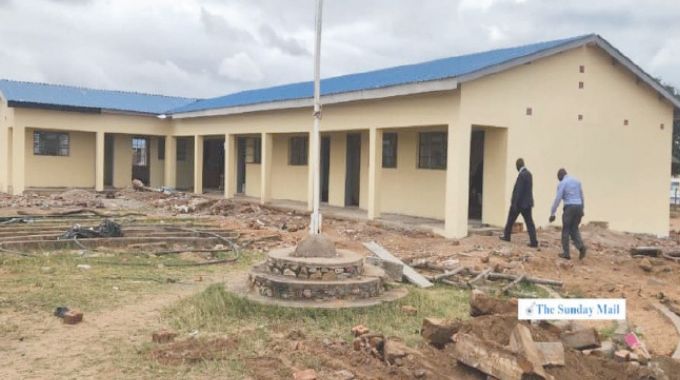
As host, Matabeleland South — a province that is also home to the late Father Zimbabwe, former Vice President Dr Joshua Mqabuko Nyongolo Nkomo — will reap tangible benefits through a number of legacy projects. These include the rehabilitation of key roads, notably the Bulawayo–Maphisa and Gwanda–Maphisa routes.
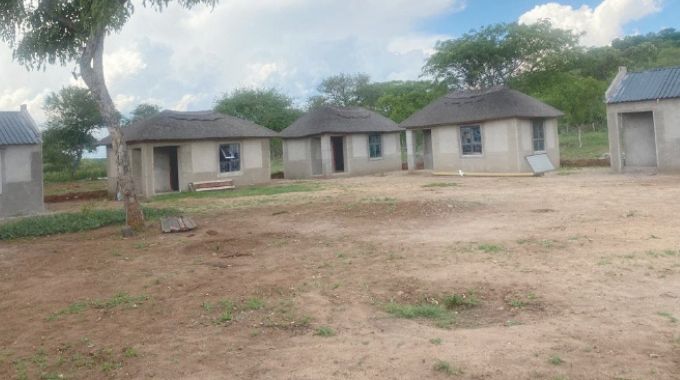
Within the education sector, 40 science laboratories are set to be established across the province. Additional developments include the renovation of classroom blocks, the construction of eight new classroom blocks and eight modern teachers’ cottages at Mahetshe Primary School in Maphisa, which has been designated as the venue for the Children’s Party.
Two early childhood development (ECD) classroom blocks will also be built. A computer laboratory will be established, the sports field upgraded, and a 700-seater hall constructed. Further plans include four additional classroom blocks, an Advanced Level block, two science laboratories, an administration block, teachers’ cottages and staff ablution facilities.