Online Reporter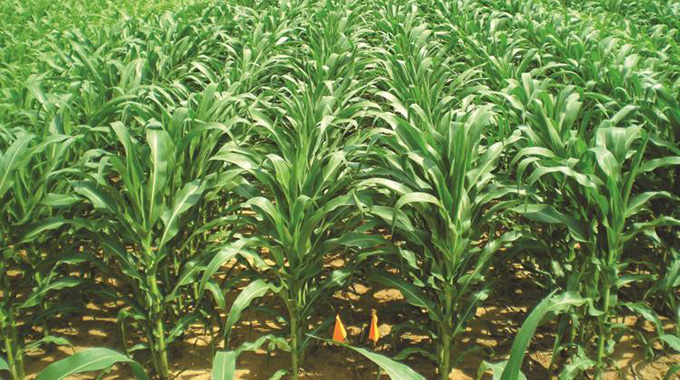
Nothando Zondo, [email protected].
SWEET reed farming has emerged as a profitable alternative to traditional crops for farmers in Umzingwane’s Ward 17, with growers reporting strong returns and improved household incomes.
Over the past three seasons, the crop has consistently outperformed other staples, offering farmers a reliable source of income and renewed optimism in an area prone to climatic and economic shocks.
Many farmers in the Komani area have invested heavily in sweet reed production, often planting it alongside maize.
This method helps shield the crop from strong winds while ensuring better yields.
Agricultural business advisory officer Mr Brandon Moyo attributed the success of sweet reed farming to the innovative strategies adopted by local farmers.
“Some farmers in Komani face challenges like livestock theft, crop damage by wild animals, and diseases affecting cattle. Sweet reed is where their hopes and farming foundations lie,” said Mr Moyo.
He noted that when the El Niño-induced drought adversely affected crop production, sweet reed remained a vital fall-back for farmers.
“When El Niño hit, Komani farmers managed to stay afloat by selling sweet reed,” he said.
Mr Moyo added that the crop has delivered tangible financial benefits to households in the area.
“Some A1 farmers in Komani Village earn over US$1 000 per season from selling sweet reed, improving their livelihoods,” said Mr Moyo.
One of the beneficiaries, Mrs Mavis Mlilo, shared her experience of turning to sweet reed farming after realising its commercial potential.
“When we discovered that farming sweet reed is profitable, we planted a hectare, sold it along the main road, and earned enough to buy seeds, fence, and cover other expenses,” she said.
The income generated enabled the family to invest in protective measures for their crops.
The family used the profits to dig a trench, protecting their crops from wild pigs.
Mrs Mlilo said she now prefers sweet reed to maize, citing quicker returns and fewer administrative challenges.
“With sweet reed, we get our money quickly, unlike with maize, where payments are delayed and the money loses value.
“We managed to hire a tractor to cultivate our farms using profits from selling sweet reed,” said Mrs Mlilo.
Another farmer, Ms Primrose Sibanda, said sweet reed farming has played a key role in meeting basic household needs, including education.
“Another farmer, Ms Primrose Sibanda said farming sweet reed has helped pay her children’s school fees.
“We grew up farming sweet reed but lately we’ve commercialised it. It’s good because it doesn’t require a lot of inputs,” said Ms Sibanda.
Umzingwane District Agricultural Business Advisory Officer Mr Bhekilizwe Ncube praised the farmers for embracing an alternative crop with high returns.
“Sweet reed is a sweet income earner because it ripens in a short space of time. We encourage farmers to increase production and explore other options to transform the agriculture sector by 2030,” he said.