Online Reporter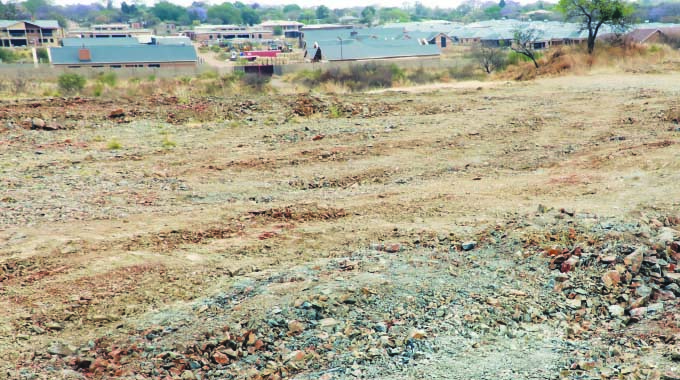
Raymond Jaravaza, [email protected]
FOR over a year, residents of Bulawayo’s affluent suburbs — New Parklands and Mqabuko Heights — lived in fear as illegal gold miners invaded their neighbourhoods. The miners dug open pits, detonated explosives at night, and left behind severely scarred land.
These unchecked activities not only degraded the environment but also threatened property values and sparked tensions between residents and the miners.
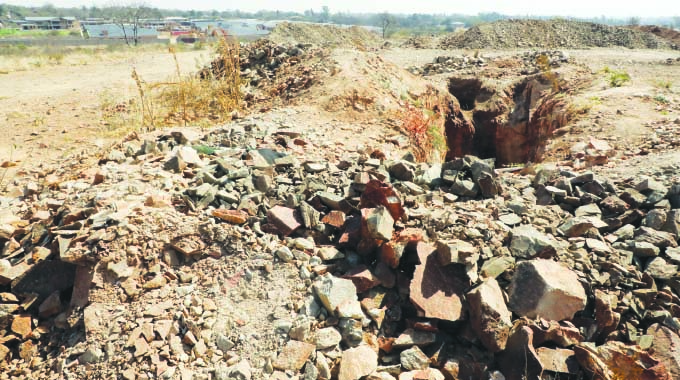
Relief has now come to the two suburbs, thanks to a joint operation by the Environmental Management Agency (EMA) and Bulawayo City Council (BCC). The two authorities recently rehabilitated a combined 2,2 hectares of land, filling open pits with gravel and compacting the ground as part of efforts to restore the environment.
Presenting a report on environmental protection and climate resilience at the Bulawayo Provincial Development Committee meeting, Mrs Sithembisiwe Ndlovu confirmed that one hectare was rehabilitated in Mqabuko Heights and 1,2 hectares in New Parklands, near Fairview Primary School.
“From a target of five hectares, EMA and BCC managed to rehabilitate 2,2 hectares of degraded land in the two suburbs at a cost of US$1 000,” she said.
When a Chronicle news crew visited the hilltop at Mqabuko Heights — where gold panners had operated for more than a year — the trenches and pits had been filled in, visibly altering the landscape.
Last year, this publication was the first to expose the illegal mining activities, which had left deep scars on the environment. Mqabuko Heights resident Alois Mutunhu said the activities had threatened property values and raised fears of crime.
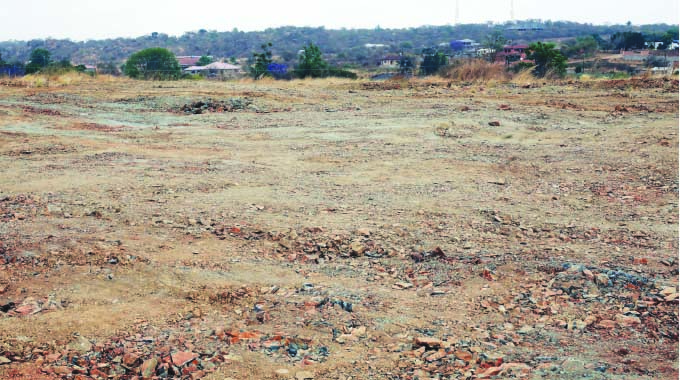
“When the illegal gold mining started about two years ago, we thought it was a mistake and that the panners would leave. Instead, their numbers grew, and we feared not only for our safety, but also that our homes would lose value.
We are glad the pits have been closed; it discourages them from coming back,” he said.
In New Parklands, where illegal miners camped on the suburb’s edge and dug under the cover of night, residents expressed similar concerns.
Dorcas Tshuma said residents were worried that authorities had allowed the situation to persist for too long.
“If the pits and shafts left by gold panners are constantly closed and filled with gravel, they will eventually give up and never return to our suburbs,” she said.
Environmental activist Simon Malunga noted that although the rehabilitation cost appeared minimal, the damage caused by illegal mining was extensive.
“The effects of land degradation can be felt for generations. The US$1 000 spent here was worth it, and more funds must be channelled into rehabilitating other areas affected by illegal mining in Bulawayo,” he said.
EMA environmental education and publicity manager, Amkela Sidange, said the rehabilitation was part of the agency’s proactive enforcement strategy through Environmental Protection Orders.
She said that rehabilitation efforts continue nationwide, even during the rainy season, as illegal mining remains a widespread challenge.
“Illegal mining involves both unregistered individuals and, at times, established companies. While EMA conducts raids and awareness campaigns, pick-and-shovel miners are hard to pin down because they move constantly,” she said.
Sidange warned that illegal mining destroys ecosystems, causing deforestation, soil erosion, and biodiversity loss, making rehabilitation critical.
“Mining results in the loss of ecological ecosystems, including trees and biodiversity. From our side at EMA, it’s important to ensure that all environmental regulations are adhered to and degraded land is rehabilitated,” she said.
Last year alone, EMA rehabilitated more than 600 hectares of mined land across the country, underscoring its commitment to environmental restoration and sustainable mining practices.
Bulawayo has witnessed a rise in illegal gold mining activities across several suburbs, including Queens Park, Mahatshula, Killarney, New Parklands, and Mqabuko Heights, prompting calls for stronger interventions.
For now, the rehabilitation in New Parklands and Mqabuko Heights offers residents a measure of relief and hope that the scars left by reckless digging can be healed.