Online Reporter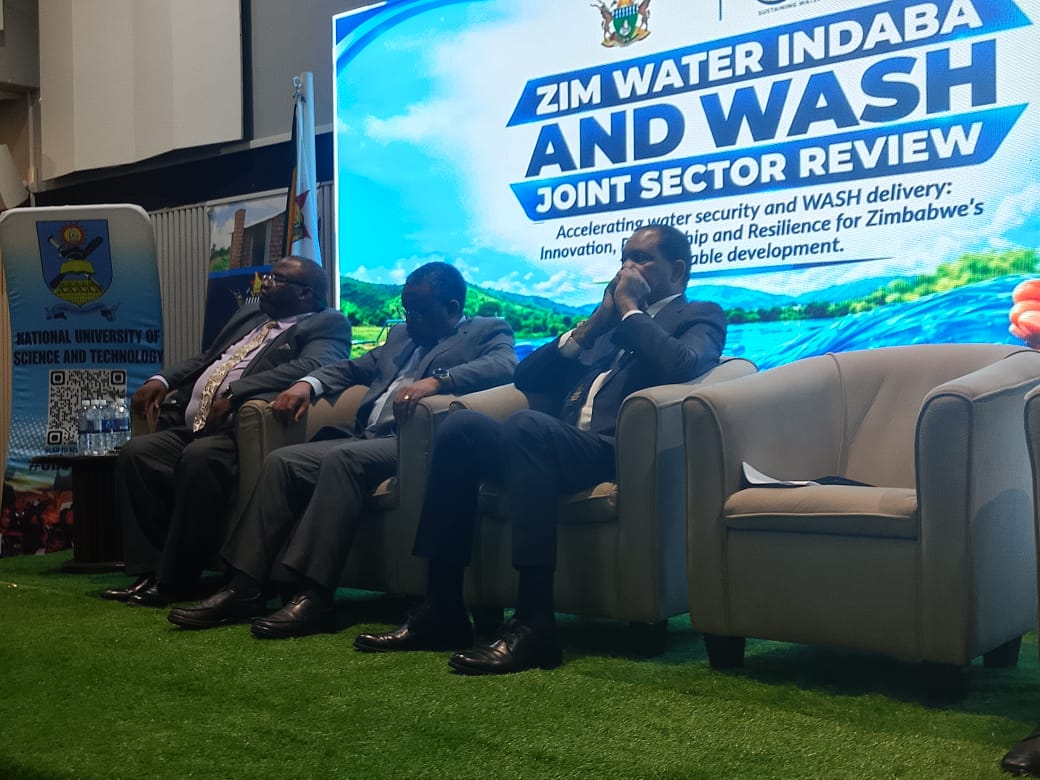
Sikhumbuzo Moyo [email protected]
ILLEGAL settlements developing outside approved urban planning frameworks make it difficult and costly for authorities to provide water, sewerage, roads, drainage, waste collection and other essential services, Local Government and Public Works Minister Daniel Garwe has said.
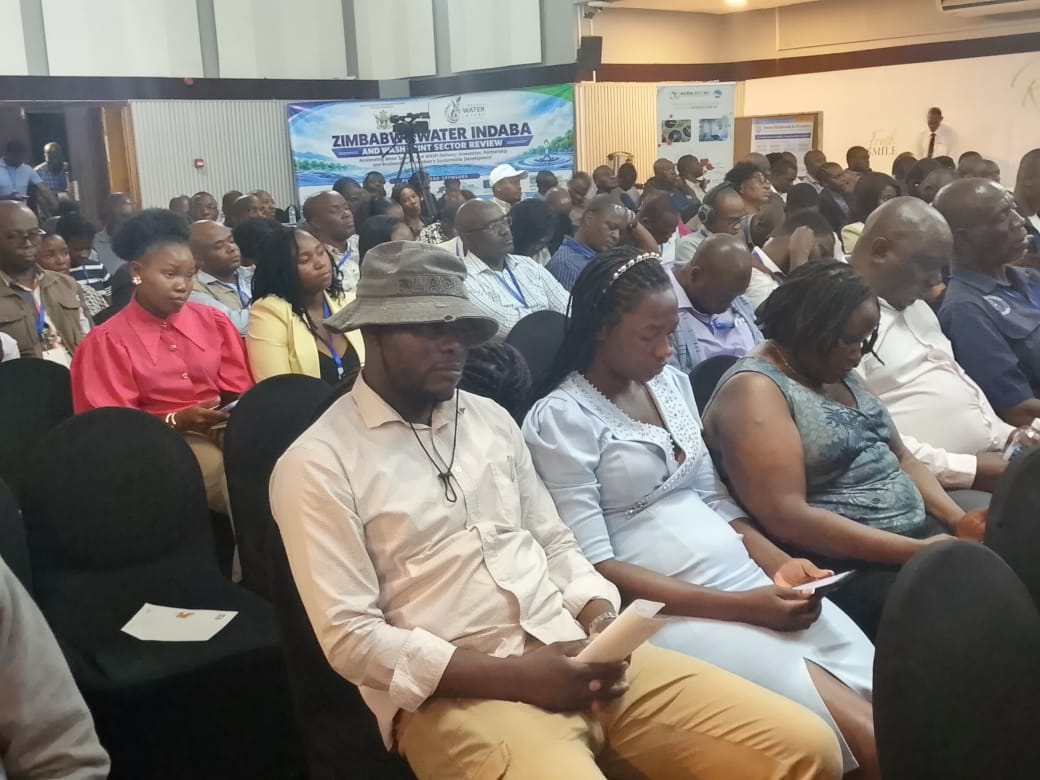
Minister Garwe, who was represented by his deputy, Minister Benjamin Kabikira, at the ongoing Zimbabwe Water Indaba in Bulawayo, said unplanned settlements were not merely a land administration challenge but a major water, sanitation and hygiene (WASH) service delivery concern.
He said local authorities needed to strengthen development control and ensure land development was properly planned and coordinated with the provision of infrastructure.
“Where settlements develop outside approved planning frameworks, it becomes extremely difficult and costly to provide proper water reticulation, sewerage, roads, drainage, waste collection and other essential infrastructure,” said Minister Garwe, who is also chairperson of the urban WASH committee.
He said illegal and unplanned settlements were therefore central to Zimbabwe’s WASH agenda.
“This is not simply a matter of land administration or urban order. It is fundamentally a service delivery issue,” he said.
Minister Garwe said the theme of this year’s Indaba — “Accelerating Water Security and WASH Delivery, Innovation, Partnership and Resilience for Zimbabwe’s Sustainable Development” — should result in practical interventions rather than merely highlight existing challenges.
He said local authorities were facing ageing water and sewer infrastructure, population growth, constrained financial resources, increasing urbanisation, water losses, inadequate maintenance, environmental degradation and the effects of climate variability.
“These challenges are interconnected and they cannot be addressed through isolated interventions. This requires an integrated approach in which planning, infrastructure, financing, regulation, technology, citizen participation and institutional accountability work together,” he said.