Online Reporter
Nqobile Bhebhe, [email protected]
Zimbabwe has gained significant confidence from the International Monetary Fund (IMF), as its Management approved the completion of the first review under the country’s 10-month Staff-Monitored Programme (SMP).
The endorsement recognises the Government’s economic reforms, prudent monetary management, and fiscal discipline, which are expected to strengthen investor confidence, enhance debt-resolution efforts and stabilise the Zimbabwe Gold (ZiG).
The milestone marks another significant breakthrough in Zimbabwe’s economic reform and international re-engagement agenda, with the successful implementation of the SMP enhancing the country’s credibility with international creditors, development partners and potential investors.
The IMF said Zimbabwe met all quantitative targets and structural benchmarks through the end of March 2026 while maintaining macroeconomic stability despite a more challenging global environment.
“IMF Management has approved the completion of the first review under Zimbabwe’s 10-month Staff-Monitored Program (SMP). Program implementation through end-March 2026 was strong, with all quantitative targets and structural benchmarks met and most indicative targets observed.”
Completion of the review is a key benchmark in Zimbabwe’s roadmap towards clearing external debt arrears and restructuring its debt, a process viewed as essential for restoring access to concessional international financing and lowering the country’s risk profile.
The Fund said the achievement strengthens Zimbabwe’s policy implementation record, which is critical in supporting the country’s engagement with international financial institutions.
“Completion of the review marks an important step in consolidating recent stabilisation gains and strengthening Zimbabwe’s track record of policy implementation in support of arrears clearance, debt restructuring and re-engagement with the international community,” the IMF said.
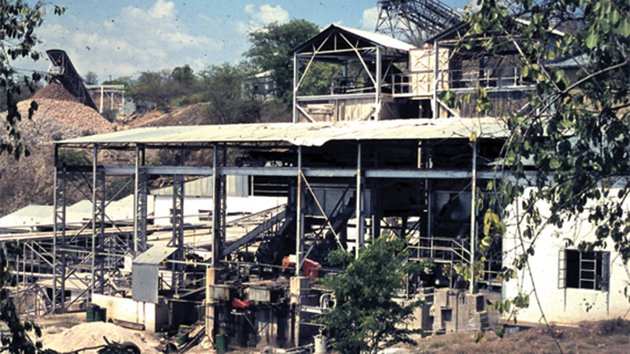
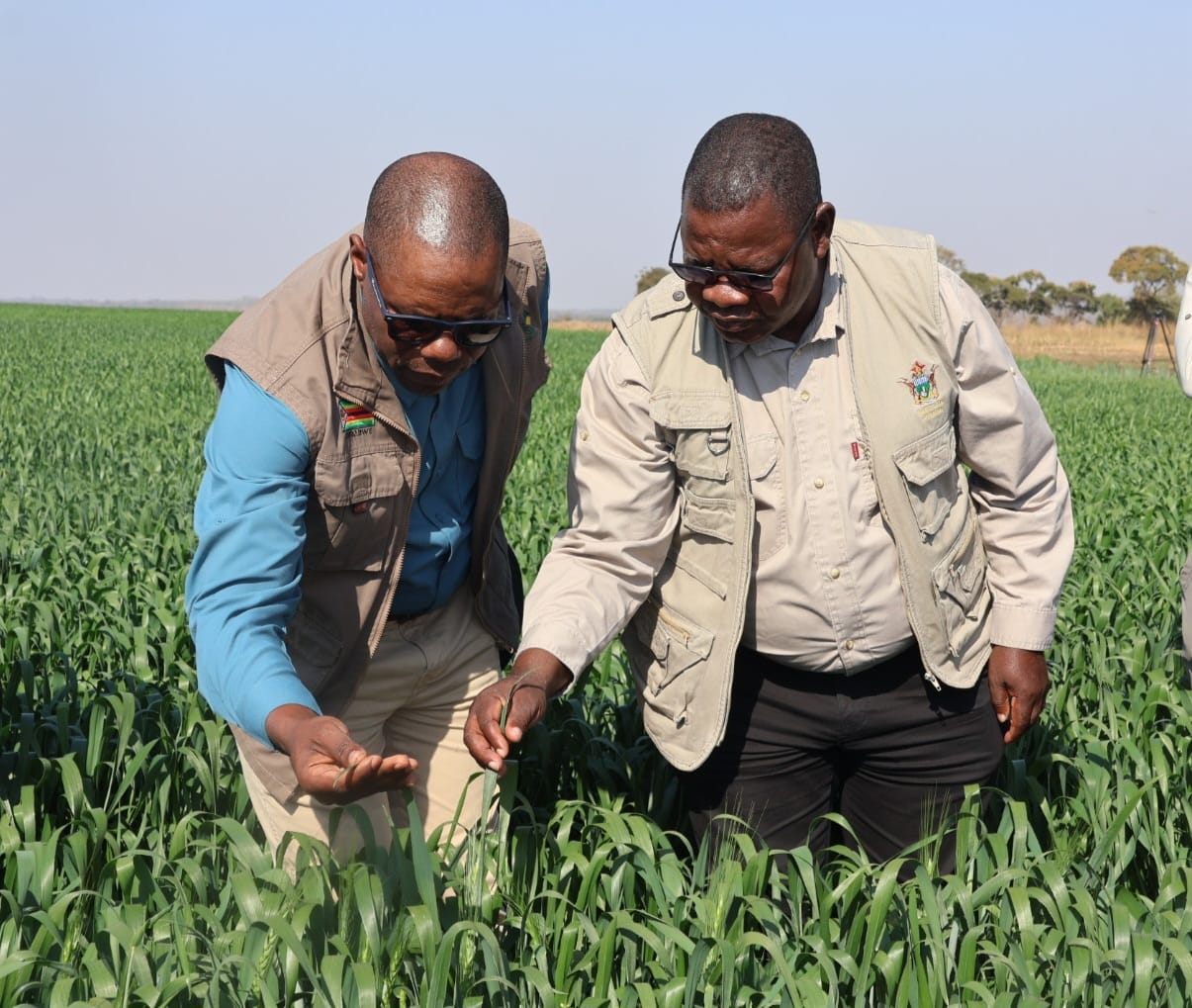
The review also noted the resilience of Zimbabwe’s economy, underpinned by improved agricultural production, robust mining activity and firm international gold prices.
“Zimbabwe’s economy has remained resilient despite a more challenging external environment. Growth remained strong in 2025 at 8.3 percent and continued into early 2026, supported by improved agricultural production, robust mining activity, and favorable gold prices. Inflation has remained low, reflecting tight monetary conditions and relative exchange rate stability.”
The review gave special recognition to the Reserve Bank of Zimbabwe’s monetary policy, commending its tight policy stance for helping contain inflationary pressures and stabilise the exchange rate, key pillars in strengthening confidence in the ZiG.
The IMF also welcomed the operationalisation of the ZiG-denominated term deposit facility, describing it as an important milestone in modernising Zimbabwe’s monetary policy framework.
“This stance should continue until inflation expectations are firmly anchored and confidence in the local currency strengthens. Staff welcomes the operationalisation of the ZiG-denominated term deposit facility as part of a gradual shift toward more market-based instruments.
“Over time, reducing reliance on non-negotiable certificates of deposit would help strengthen monetary transmission and support domestic money market development. Staff also welcomes the authorities’ plans to develop a comprehensive strategy to further liberalise the foreign exchange market and reform the foreign exchange intervention framework.”