Online Reporter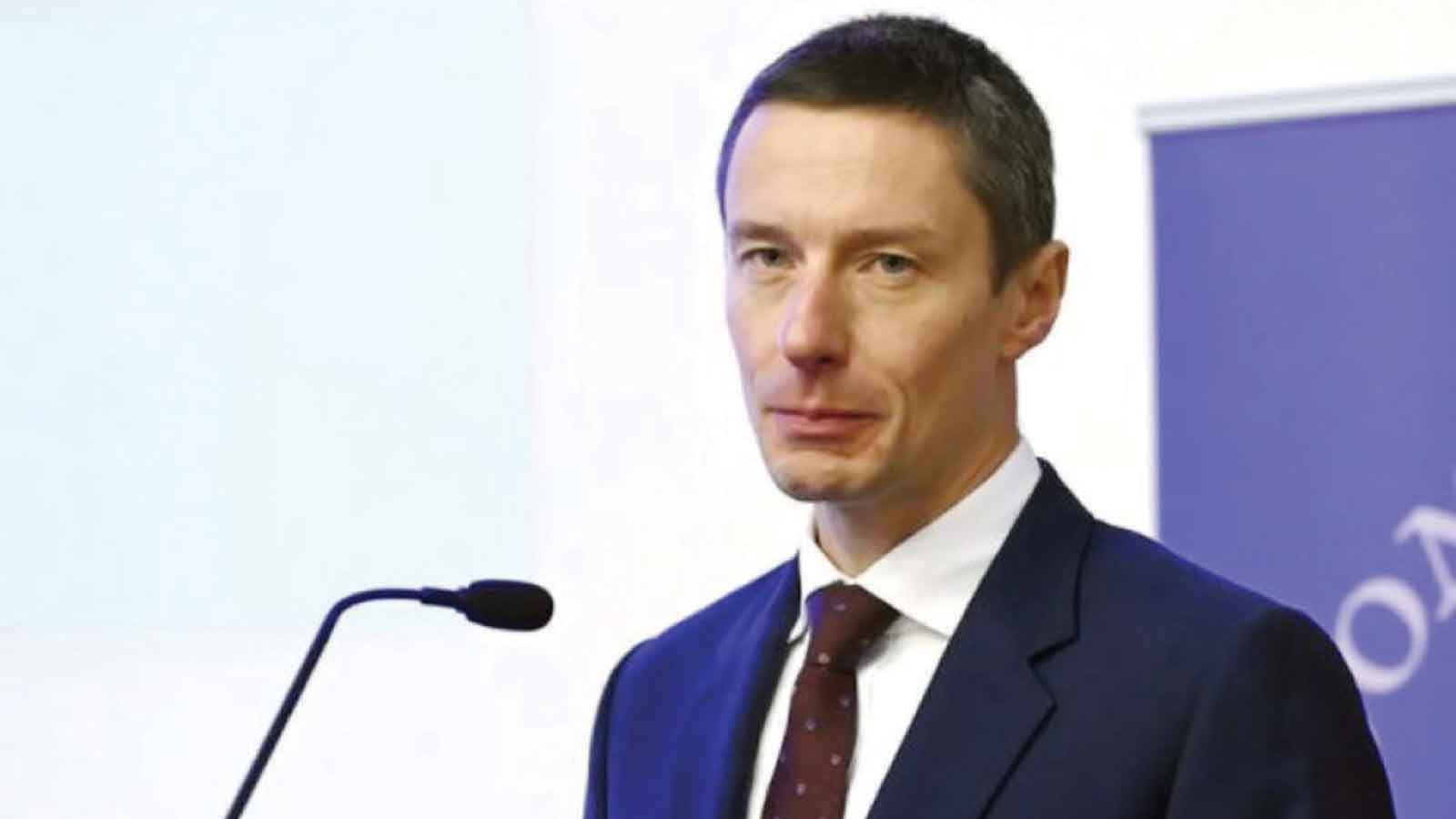
Sunday Mail Reporter
A DELEGATION from the International Monetary Fund (IMF) yesterday toured Duration Gold’s Gaika Mine in Kwekwe as part of a broader assessment of Zimbabwe’s economic reform and recovery efforts, with a particular focus on the mining sector’s contribution to national development.
The visit, led by IMF Mission Chief Mr Wojceich Maliszewski, took place under a 10 month non financing Staff Monitored Programme (SMP) aimed at consolidating macroeconomic stability, strengthening economic governance and supporting Zimbabwe’s re-engagement with the international community.
The tour of Gaika Mine represented a rare engagement between the IMF and a private mining operation. Duration Gold described the visit as an opportunity to showcase both the potential and the realities of mining in Zimbabwe.
Company spokesperson, Mr Robert Mukondiwa, said the invitation was extended to familiarise the IMF team with the project and operations, while highlighting opportunities and challenges faced by internationally owned companies in Zimbabwe’s mining sector.
“We hosted the team, led by Mission Chief Wojceich Maliszewski, in order to familiarise them with the project and our operations, while also highlighting both the opportunities and challenges associated with operating as an internationally owned company within Zimbabwe’s mining industry,” Mr Mukondiwa said.
He added that Duration Gold remains committed to supporting national economic development through responsible mining.
“Duration Gold stands shoulder to shoulder with the Government of Zimbabwe in pursuing the attainment of an upper middle income economy by 2030, with mining playing a pivotal role in that vision,” he said.
“Of particular importance is the ongoing drive to address key concerns ranging from security and policy consistency to mining lease statuses, all of which are critical for seamless production, low risk operations and increased contribution to national development goals.”
He also emphasised the need for intensified investment in large scale greenfield exploration to sustain long term growth in the mining sector.
While artisanal and small scale mining continues to contribute meaningfully to gold output and employment, he cautioned that it cannot provide a sustainable long term foundation for the industry.
“Artisanal mining is largely restricted to near surface mineralisation and, therefore, has a finite lifespan as a resource extraction model. Once these shallow deposits are exhausted, operations often move on, leaving behind environmental challenges, disturbed land and, in some cases, significant safety concerns,” Mr Mukondiwa said.
“The future of Zimbabwean mining must, therefore, be anchored in professional exploration, responsible mine development and the continuous replacement of depleted resources. Discoveries do not happen by accident. They require patient capital, technical expertise and confidence in the investment climate.”
Duration Gold co-director Mr Dave Easterbrook described the visit as historic for the company and significant for Zimbabwe’s mining industry.
“This is a historic visit. The team was exposed to a great deal of information and gained an on the ground appreciation of the Zimbabwean mining story from a private sector perspective,” he said.
The delegation toured mining and processing operations, laboratory facilities and security infrastructure, gaining direct exposure to operational realities, investment opportunities and sector challenges.
The IMF team is expected to visit Duration Gold’s Vubachikwe Mine in Gwanda today before proceeding for further engagements with Government officials and economic stakeholders as part of its wider assessment mission.
The IMF’s current mission comes as Zimbabwe’s economy shows a growth trajectory supported by fiscal discipline, tight monetary policy and strong performances in mining and agriculture.
Gold production, alongside recovering platinum and lithium output, has contributed significantly to growth, while inflation has moderated amid relative exchange rate stability and prudent macroeconomic management.
The IMF delegation’s engagements with the private sector and Government officials are expected to inform ongoing discussions under the SMP, as Zimbabwe seeks to sustain economic reforms, strengthen investor confidence and advance its international re engagement agenda.