Online Reporter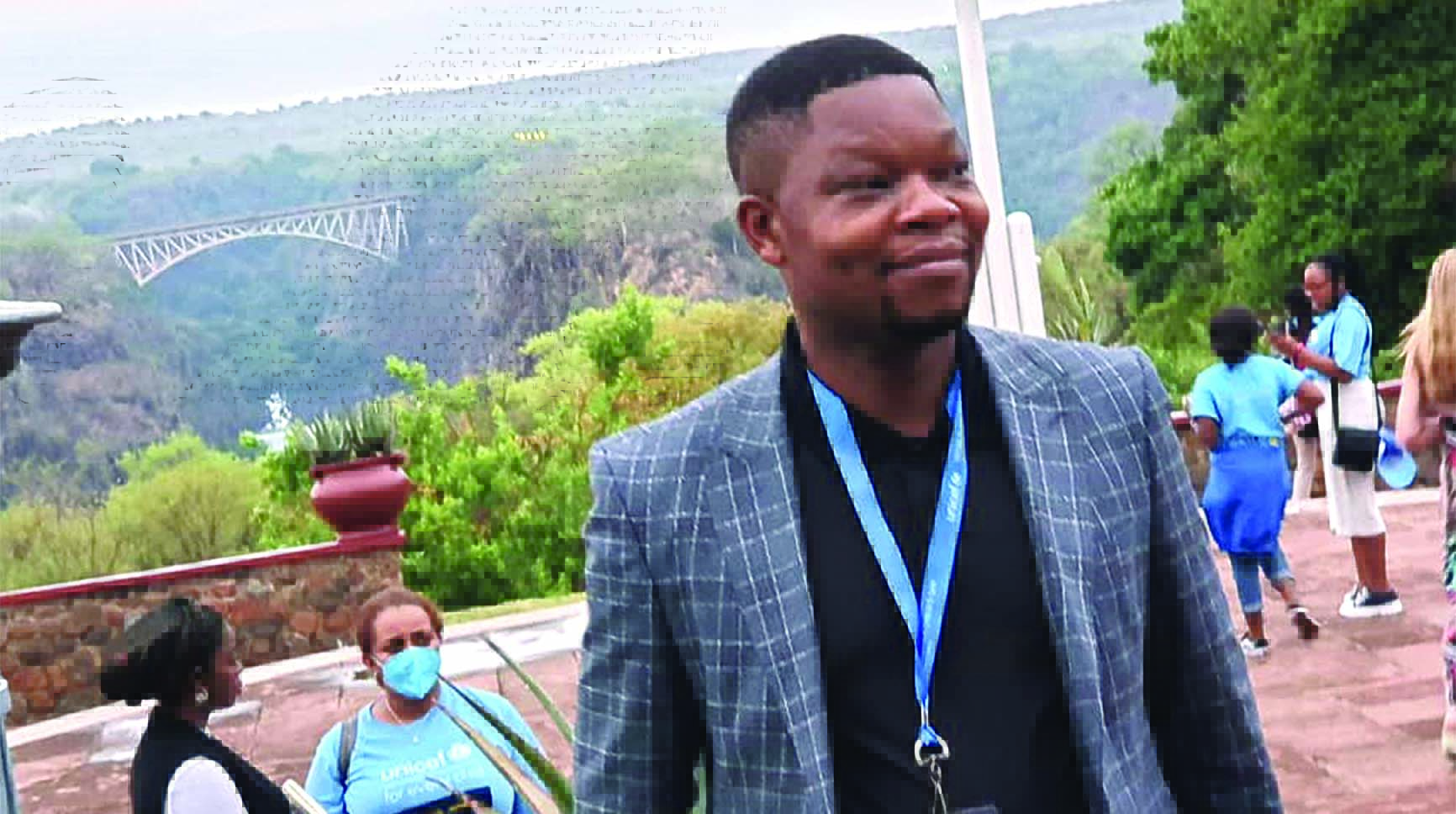
The Day of the African Child (DAC) was instituted in 1991 by the Assembly of Heads of State and Government of the Organisation of African Unity (now the African Union) in memory of the June 16, 1976 student uprising in Soweto, South Africa. At that time, students marched, protesting against the poor-quality education they received and demanding to be taught in their languages. During the protest, hundreds of schoolchildren were killed. DAC is celebrated in remembrance of these children and the brave action they took to defend their rights. The Sunday Mail interviewed Zimbabwe Youth Council (ZYC) chief executive officer MR BRIAN NYAGWANDE on DAC, youth empowerment, the Junior Parliament’s role and ZYC’s vision for young people.
Q: As this year marks the 50th anniversary of Day of the African Child (DAC), what does this day mean for a Zimbabwean child?
A: The Day of the African Child pays tribute to the bravery of the Soweto students who stood up against the apartheid regime in South Africa. It is a day that amplifies the voices of children and reminds policymakers of their responsibility to account for the welfare and rights of children.
The day focuses on the current realities facing children across the African continent and provides an opportunity to assess how African member states have responded to issues affecting children over the years. In Zimbabwe, this day allows us to take stock of what has been achieved in advancing children’s rights and what still needs to be done.
We must continue reflecting on the aspirations of those young people who sacrificed so much in Soweto and ensure that our policies respond to the needs and concerns of children today.
Q: This year’s theme focuses on water, sanitation and hygiene. Why is this important?
A: The theme for this year is “Ensuring Universal Access to Water, Sanitation and Hygiene (WASH) for Every Child in Africa”. This is a very important theme because access to clean water, sanitation and hygiene remains a challenge for many young people and children, particularly in rural communities and some urban settlements.
The Zimbabwe Youth Council has a responsibility to ensure that the Government remains informed about the needs and concerns of young people and children. We have consistently highlighted challenges affecting young women and girls, particularly around access to water and sanitary hygiene products.
Many girls continue to face difficulties accessing sanitary wear and maintaining proper menstrual hygiene. Through our advocacy work, we have sought to ensure that these concerns receive attention from duty bearers.
We welcome initiatives such as the Presidential Borehole Drilling Programme and support mechanisms like BEAM, which have also been extended to include the provision of sanitary wear. Such interventions are helping to address challenges that have been raised through engagements and lobbying efforts involving the youth council.
Q: Why is the opening of the Junior Parliament always linked to the Day of the African Child commemorations?
A: When the Day of the African Child was launched in 1991, African union member states were encouraged to provide children with platforms to express themselves and share their experiences.
In Zimbabwe, the Government entrusted the ZYC with the responsibility of providing leadership platforms for children and young people through the establishment of the Junior Parliament programme. Since then, it has become customary for the DAC to be commemorated through the official opening of the Junior Parliament. This year marks the 34th Session of the Junior Parliament.
The programme is very important because it gives young people an opportunity to participate in governance processes, articulate their concerns and contribute ideas that can help shape policies affecting their lives.
Q: How inclusive is the Junior Parliament, particularly for children living with disabilities?
A: Inclusion is one of the fundamental principles of the Junior Parliament. The Junior Parliament is designed as a mirror image of the Senior Parliament. Just as we seek to promote representation in the national legislature, we also ensure that children with disabilities are represented within the Junior Parliament. There are reserved seats specifically for children with disabilities, ensuring that their concerns are incorporated into discussions and recommendations emerging from the institution. This approach helps create a culture of inclusivity and ensures that no child is left behind.
Q: Beyond the DAC, what are some of the key programmes being implemented by the ZYC to empower young people?
A: One of our major priorities is the organisation and coordination of young people. For the Government to meaningfully empower the youth and for young people to actively participate in economic development, there is a need for organisation. It becomes difficult to empower young people effectively if they are scattered and operating solely as individuals.
The ZYC, therefore, plays a critical role in organising young people into associations and structures through registration processes. Young people involved in agriculture, mining, tourism, business, climate action and other sectors should establish their own structures, develop memoranda of association outlining how they intend to operate and register with the youth council.
Q: How important are young people in achieving national development goals?
A: Young people are central to the achievement of both national and continental development aspirations. As a country, we are working towards Vision 2030, while at the continental level, we have Agenda 2063. Young people possess the energy, innovation and drive required to realise these ambitions. It is, therefore, important that their efforts are properly guided and directed towards productive national objectives. However, one of the major challenges facing Africa is the growing number of young people who are Not in Education, Employment or Training, commonly referred to as NEETs.
In Zimbabwe, the youth population stands at approximately 5,4 million and almost half of that number, around 48 percent, falls into the NEET category. This is a concern because it limits the productive potential of young people and affects broader socio-economic development.
As the youth council, we are actively engaging the Government and other stakeholders to find sustainable solutions that reduce the number of NEETs and create meaningful opportunities for young people.
In 2025, the youth council, working together with our parent ministry, development partners and the private sector, developed the National Youth Empowerment Strategy for the period 2026 to 2030. The strategy was subsequently launched by His Excellency, President Mnangagwa.
This framework provides a clear road map for improving the lives of young people and ensuring their meaningful participation in national development. The strategy is built around the following pillars: economic empowerment, technology and digital transformation, education and skills development, and health and wellbeing, among others.
The overall objective is to create pathways for youth empowerment, improve livelihoods, increase participation in economic activities and significantly reduce the number of young people who are not in education, employment or training.
Q: The Soweto uprising was largely driven by demands for education reforms. What role is the youth council playing in shaping Zimbabwe’s education system?
A: The spirit of the Day of the African Child reminds us that children must never be passive recipients of education. They must be active participants in shaping the systems that affect them. The Soweto uprising was fundamentally about young people demanding meaningful reforms in education. In Zimbabwe, the youth council has consistently advocated for changes that make education more relevant to the realities of modern society and the economy.
We are pleased that the Government has responded through the introduction of Education 5.0 and the Heritage-Based Education model, which seek to drive industrialisation, innovation, modernisation and economic development.
We have also advocated for the introduction of vocational and psychomotor skills training at primary school level. The goal is to ensure that learners acquire practical competencies from an early age. We want young people leaving schools and vocational institutions to become employers, innovators and entrepreneurs rather than merely seeking employment opportunities.
Whereas colonial and apartheid education systems were designed to produce a workforce that served existing structures, our vision is for African education systems to produce creators of wealth, employers and leaders capable of driving sustainable economic development.
Q: What is your vision for the ZYC going forward?
A: My vision is to build a strong, organised and responsive youth movement that effectively represents the aspirations of Zimbabwe’s young people. We want every young person to feel that they have a platform through which their voice can be heard and their concerns addressed. The future of Zimbabwe will largely be determined by how effectively we invest in, organise and empower our young people today.
As the youth council, we will continue engaging the Government, development partners, the private sector and communities to create opportunities that improve the lives of young people. We believe that when young people are organised, skilled, empowered and included in decision-making processes, they become a powerful force for national development. That is the Zimbabwe Youth Council’s commitment and that is the future we are working towards.