Online Reporter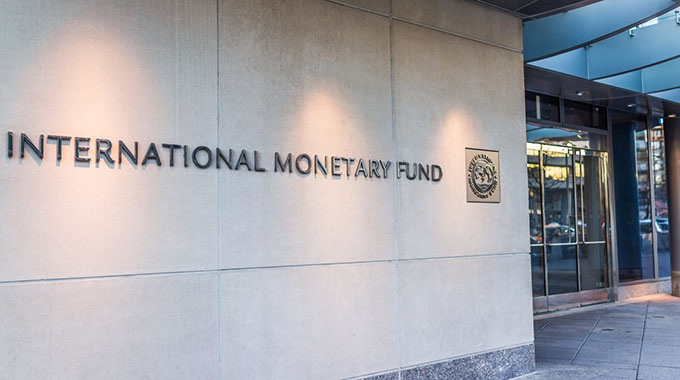
Tapiwanashe Mangwiro
THE International Monetary Fund (IMF) says the staff-level agreement reached with Zimbabwe on Harare’s economic policy framework and reforms will strengthen milestones the country has already achieved.
The IMF said on Friday that the agreement on a Staff Monitored Programme (SMP) is central to building a credible reform track record and advancing dialogue on arrears clearance and debt restructuring under the Structured Dialogue Platform.
Zimbabwe is currently unable to borrow from the IMF and other multilateral institutions due to long-standing external debt arrears.
The country has been in default on its debt since the early 2000s, which disqualifies it from accessing new financing.
Zimbabwe’s external debt stands at about US$13,6 billion, with an estimated US$7,4 billion of this being external arrears.
The debts are owed to various international financial institutions (including the World Bank, African Development Bank and European Investment Bank) and bilateral creditors.
To get fresh credit from any of the institutions, Zimbabwe should first address its outstanding debt position.
Zimbabwe is currently up to date on its financial obligations directly to the IMF.
But multilateral lenders typically do not provide new credit if a country is in arrears (owes debt) to another multilateral institution or, in some cases, official bilateral creditors.
An SMP is a crucial, informal agreement where IMF staff monitor a country’s economic reforms to build credibility, stabilise the macroeconomy and pave the way for future financial assistance.
It serves as a diagnostic tool for countries to establish a track record of implementing sound economic policies.
The SMP aims to entrench stability through measures like reducing fiscal deficits, eliminating central bank financing of deficits and controlling inflation.
The programme acts as a stepping stone for debt restructuring, arrears clearance and unlocking concessional international financial support.
It supports crucial reforms such as improving governance, strengthening anti-corruption efforts, and enhancing public financial management.
Importantly, a successful SMP often precedes formal IMF-supported programmes (Upper Credit Tranche) or helps in securing financing from other international partners.
By implementing these reforms, countries often aim to foster sustainable, private sector-led growth while strengthening social protection measures.
In a press statement issued following discussions held in Harare from January 28 to February 6, 2026, the IMF said the proposed SMP is designed to help entrench macroeconomic stability, strengthen policy credibility, and advance the authorities’ broader re-engagement efforts towards arrears clearance and debt restructuring.
The IMF mission, led by Mr Wojciech Maliszewski, confirmed that the staff-level agreement, which remains subject to IMF management approval, reflects broad convergence on the key economic policies and reforms that would underpin a 10-month programme aligned to Zimbabwe’s National Development Strategy 2 (NDS2).