admin
adminSamuel Kadungure and Luthando Mapepa
THERE is need to improve the frequency of cattle dipping in Chipinge District as the current El Nino drought-induced feed and water shortages can have an instant and serious impact on unhealthy herd.
Livestock owners risk suffering heavy losses if there is no drastic rise in dipping as they try to avoid paying a $2 dipping fee imposed across the province.
The dipping fee charges have brought about a negative reaction from livestock owners, some of whom are refusing to dip their cattle.
Provincial Veterinary Officer, Dr Charles Guri, told a recent provincial livestock workshop organised by Goal Zimbabwe that poor dipping accounts for 65 percent of cattle deaths.
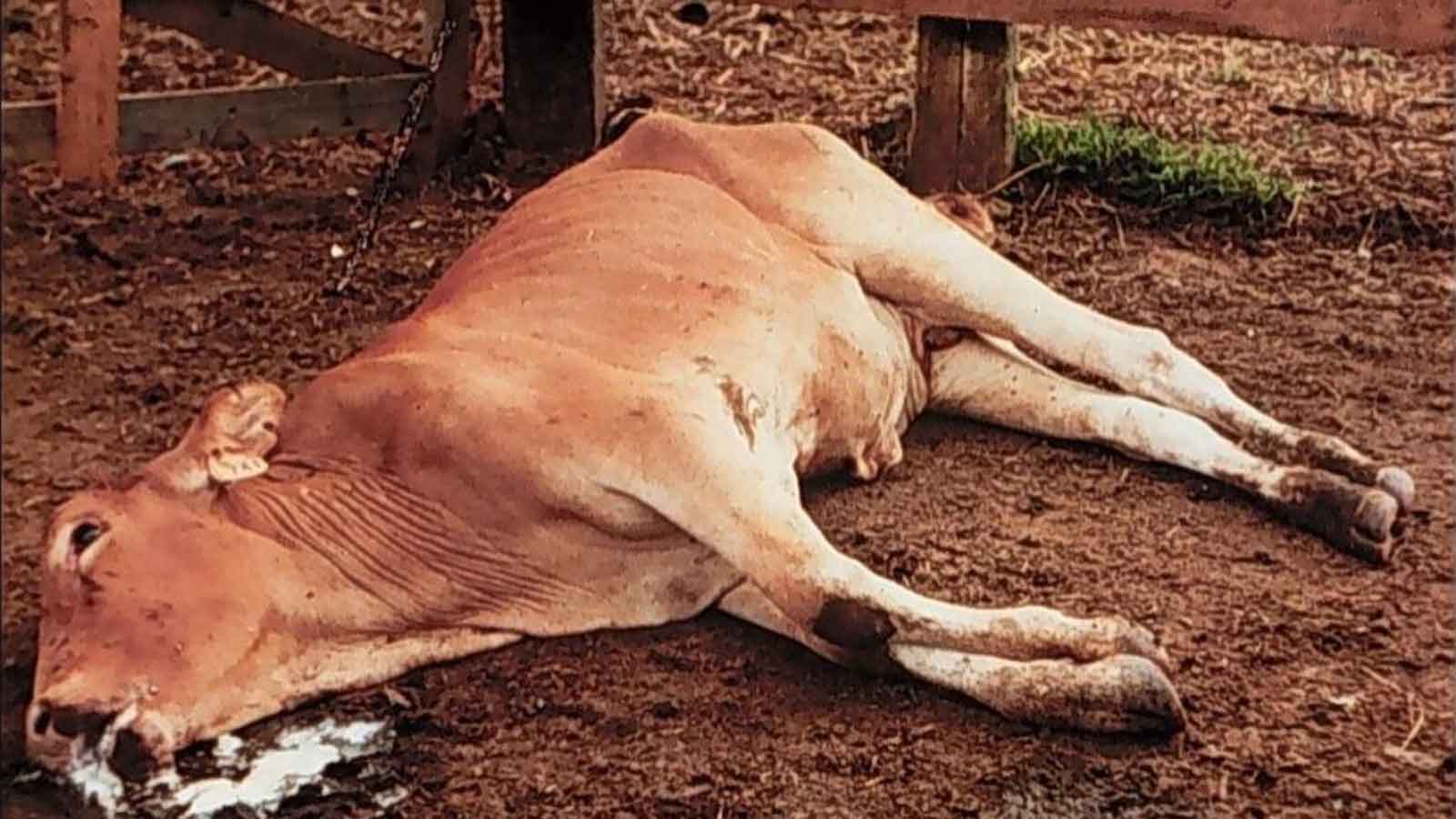
Non-dipping of cattle results in high tick infestation and tick-borne diseases, which when coupled by feed and water shortage can wipe the entire unhealthy herd.
Dr Guri said the weakening of Zimbabwe’s economy had put severe strains on the Government, restricting money available to the DVS whose main activity is to control major livestock diseases.
Dr Guri said fortnight cattle dipping was one way of controlling the main endemic cattle diseases.
“This contributes 65 percent of cattle deaths. We are all aware of the cattle catastrophe in Chipinge, the statistics are shocking. Yes, there is shortage of pastures and water due to the current drought. These are secondary causes taking toll on animals that are already unhealthy,” said Dr Guri.
“We need to improve our dipping to twice a month. We can only achieve this milestone if farmers co-operate to pay a dipping fee of $2 to enable us to buy the dipping chemical.
“If they don’t, we cannot help the situation because this is what we are doing in other districts.
“Government does not have money. In Chipinge we also need to construct about four more dip tanks so that we can de-congest some. A dip tank catchment should have a radius of five kilometres, but in some cases, cattle travel long distances,” said Dr Guri.
Government and the Food and Agricultural Organisation (FAO) have chipped in to accelerate drought mitigation to save further cattle loss by availing affordable supplementary feed and improving access to water.
Goal Zimbabwe is exploring cheaper cattle dipping mechanisms.
The interventions follow the extinction of grazing pastures along Save Basin. Water sources have also dried up making it a challenge to feed their cattle.
Farmers had to endure the pain of seeing their cattle die. In some cases, they had to sell cattle for as little as $20.
The scenario has left Chipinge District lagging behind in contributing towards the increase in production of national meat and national herd as enshrined in the Zim-Asset Food Security and Nutritional Cluster.
Through the FAO olive branch farmers in selected wards were purchasing 14 bags of supplementary feed for heifers. The feed lasts for three months.
A 50kg bag is being sold at a subsidised price of $7.
There are four feed warehouses namely Mawunganidze, Kondo, Manzvire and Chisumbanje.
Chipinge District livestock specialist officer, Mr Benson Chidziso, said Government engaged FAO as a partner to implement drastic measures and interventions to address the crisis.
Mr Chidziso said these mitigation measures were limited to farmers in Save Valley which falls under natural region five.
“The district has lost over 3 000 cattle and this figure is worrisome considering that livestock is a source of livelihood for our farmers. We are working with resource strained farmers who have are already formed associations to work with FAO, which has promised to assist farmers with stock feeds until the dry parts of the district have green pastures.
“As a district we commended Government and FAO for coming up such initiatives to save cattle’s. The local communities are encouraged to embrace this programme and ensure that it is successful,” said Mr Chidziso.
Chipinge farmers are already embracing some mitigation measures such as strategic destocking where they sell excess cattle and use the money to sustain the breeding stock.
Experts said the national cattle herd is expected to drop due to the effects of El Nino weather phenomena which affected Sub Saharan Africa.


 Online Reporter