

 admin
admin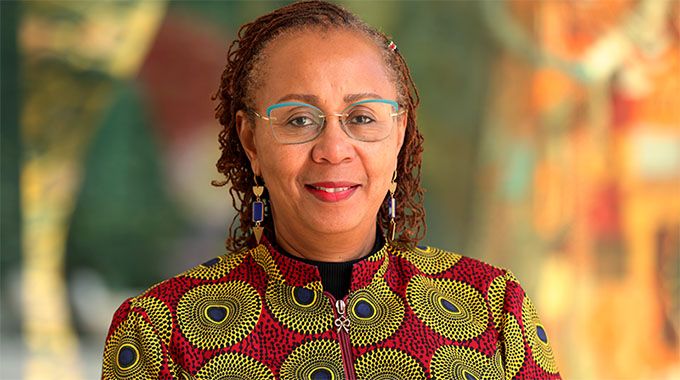
Rumbidzayi Zinyuke in JOHANNESBURG, South Africa
While there has been debate in most African countries around access to sexual reproductive services by young girls and adolescents, experts have said that improved access to contraceptives like condoms could help reduce early pregnancies and new HIV transmissions.
The regional sexual reproductive health and rights conference underway here has brought to the fore how adolescents are a key group that has been missed in terms of service provision.
With countries like Zimbabwe having set the age of consent to sex at 18 years, this has left the younger girls vulnerable to early pregnancies and sexually transmitted diseases as they are not able to access contraception.
According to UNAIDS Eastern and Southern Africa regional director Mrs Anne Githuku-Shongwe, there were arguments to opening up access to contraceptives for young people.
“The question we should be asking is: are these adolescents having sex? If they are having sex then they must have contraceptives because it is only condoms and other contraceptives that will help them to prevent pregnancies, transmission of HIV and other sexually transmitted diseases,” she said.
However, Mrs Shongwe said, giving young people access to contraceptives should be done in a safe way coupled with education information on sexual and reproductive health and rights.
She said the primary goal was to delay the onset of sexual activity among young girls and promote abstinence.
“But with social media and other influences on our societies this has not been happening. The number of girls who got pregnant during Covid was too high and is an indication of what lack of access to such services can do. So if these things are happening, how then do we say they should not access services because of religion and traditions?” Mrs Shongwe said.
UNFPA 2gether 4SRHR East and Southern African Office programme manager Mr Richard Delate said many countries in the region had not made sexual and reproductive health services more accessible to adolescents and young people.
“We know that in many countries, there are legal barriers to adolescent and young people accessing sexual and reproductive services. For example, you find an age of consent restriction on access to services which limits access to sexual and reproductive health services. We need to give young and adolescent choices, those who choose to abstain should have the rights to abstain, and those who choose to be sexually active should have access contraceptives, so that they prevent early pregnancies and HIV,” he said.
He also said Governments should ensure that young people had full information, around sexual and reproductive choices available to them instead of focussing only on abstinence, which could result in exclusion of a large number of them.
“It is important to look at young people holistically, not just in the present moments, because we all need our rights, which change every day. There is still a lot of work for us to do, and I think across the region we have made a huge progress for example in improving access to sex education,” said Mr Delate.
SADC Parliamentary Forum secretary general Ms Boemo Sekgoma said Africa was the continent with the most significant youth population which had to be catered for in sexual and reproductive health rights programming.
“According to statistics, the percentage of youth in Africa in 2030 would be over 40 percent, making Africa the country with the most promising work force to act as the driving engine for major labour-intensive industries worldwide.
“This also means that sexual and reproductive health rights in Africa will undeniably remain a vivid subject over the next 15 years. Hence, there is a constant need to involve the youth in brainstorming exercises for sexual and reproductive health rights reforms,” she said.



 Online Reporter