Chronicle Editor
Ashley Phiri, [email protected]
The Bulilima community in Matabeleland South Province has significantly benefited from the Zimbabwe Council of Churches (ZCC) Strengthening Drought Response and Recovery (SDRR) programme.
Funded by Christian Aid, the initiative has provided essential services such as water, sanitation, and livelihood support since its launch in September 2024. The programme is set to conclude in February this year.
As the province continues to battle the devastating impacts of recurrent droughts, the SDRR programme was developed to address the urgent needs of affected communities through a multi-faceted approach.
It focuses on enhancing livelihoods, promoting gender equality, and supporting vulnerable groups, including women, children, the elderly, and persons with disabilities.
One of the programme’s key achievements has been the rehabilitation of 21 defective boreholes in Bulilima, ensuring reliable access to lifesaving, multipurpose water supplies.
To guarantee the sustainability of these water points, 21 water point management committees were trained in the management and maintenance of the boreholes.
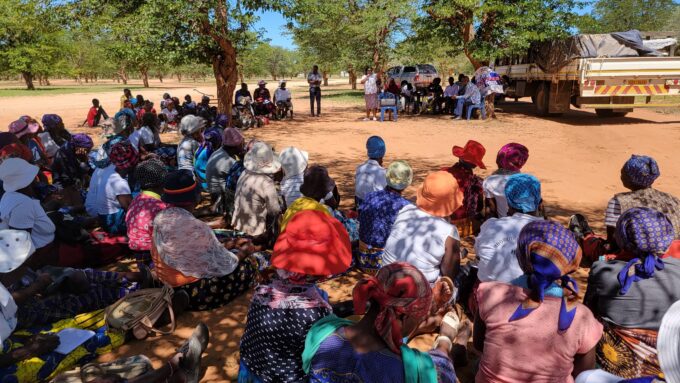
The Bulilima community in Matabeleland South faces the harsh realities of recurrent droughts.
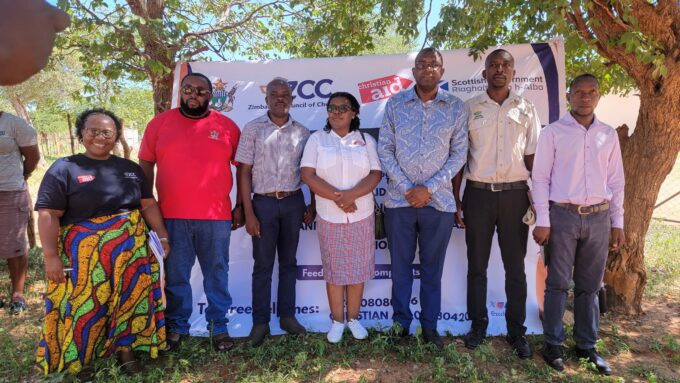
Launched in September 2024, the SDRR programme, funded by Christian Aid, set out to provide crucial services to drought-affected communities.
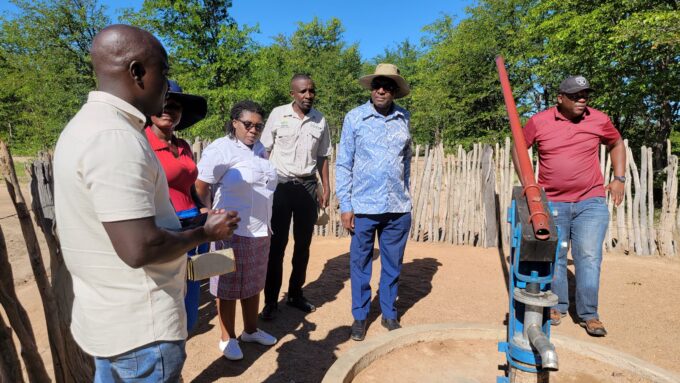
Rehabilitation of 21 boreholes has provided reliable access to water for families in Bulilima. Defective boreholes were repaired to ensure clean water for drinking and daily use. 21 water point management committees were trained to ensure sustainable maintenance of the water sources.
Livelihood support initiatives have helped communities cope with the economic impact of drought.
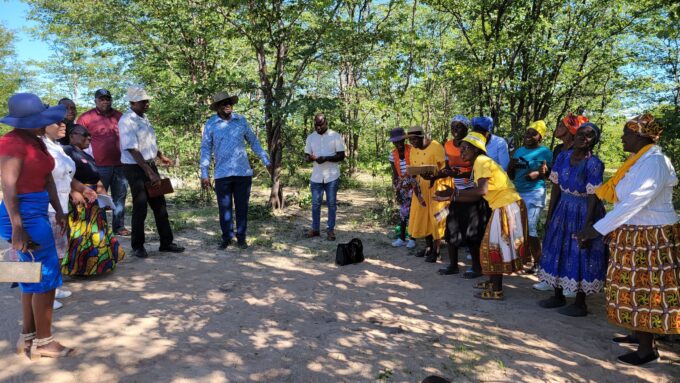
The programme focuses on promoting gender equality and supporting vulnerable groups such as women, children, and the elderly.”
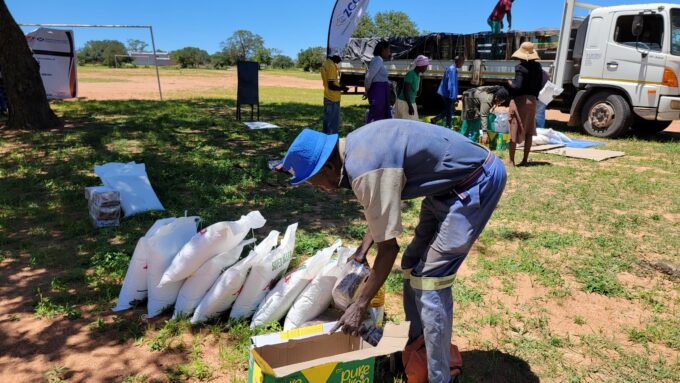
By addressing water, sanitation, and livelihoods, the SDRR programme has made a lasting impact on the community.
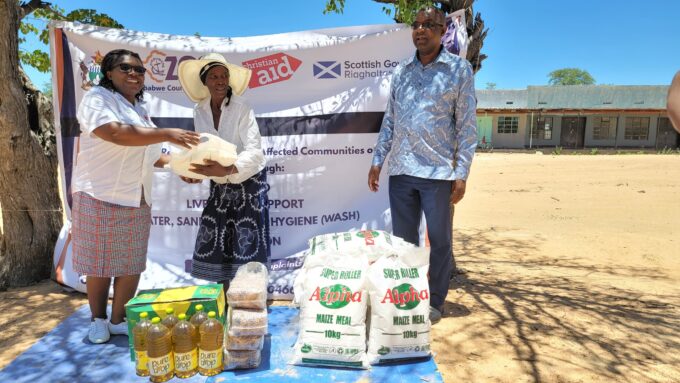
The SDRR programme concludes in February 2025, but its legacy of resilience and empowerment continues.


 Online Reporter