Londile Moyo
Nqobile Bhebhe in Maphisa
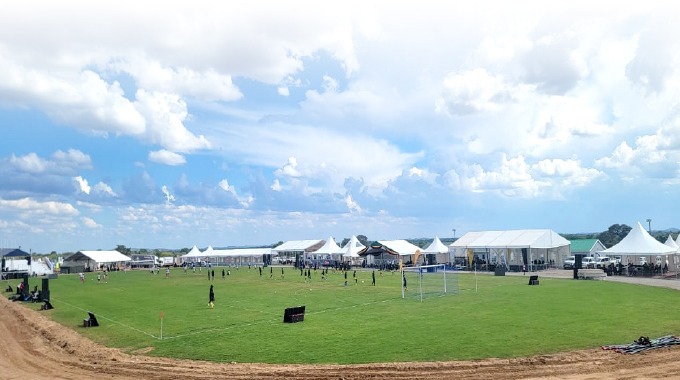
COMMUNITIES in Maphisa, Matobo District in Matabeleland South are excited and proud to have successfully hosted the 46th Independence Day celebrations, a grand occasion that has unleashed rapid development that is already transforming lives and reshaping the rural landscape.
The once quiet growth point and surrounding communities have come under national spotlight, and to them the commemorations were far more than a national event.
They stood as a bold statement of inclusive development and Government’s firm commitment to leaving no one and no place behind. Held under the theme: “Zim@46 — Unity and Development Towards Vision 2030”, the celebrations echoed Zimbabwe’s determined march towards an upper middle-income status, driven by infrastructure growth, social cohesion and shared prosperity.
Community members, who spoke to Zimpapers applauded the sweeping developments rolled out ahead of the event for ushering in a new era of opportunity, convenience and renewed hope.
“We had never seen this kind of development before. The roads were upgraded, and for the first time, we feel truly connected. Transporting goods used to be a struggle, but now it is much easier,” said one villager.
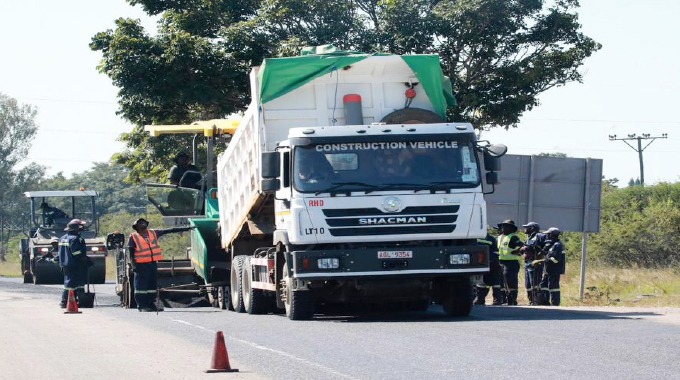
The rehabilitation of key road networks linking Maphisa to surrounding areas has significantly improved accessibility, unlocking economic potential and stimulating business activity.
The health sector also recorded a major breakthrough, with clinics upgraded and equipped to deliver improved services.
Mr Themba Sibanda said the developments will have a lasting impact on people’s lives.
“Our clinic was improved, and we are grateful. Pregnant women and the elderly used to walk long distances for treatment. Now, services are within reach. This is a major relief,” he said.
Education infrastructure was not left behind, with modern science laboratories now in place, marking a turning point for rural education.
“Our children used to learn science only in theory, but now they have proper laboratories,” said Mr Nkosana Moyo, a parent at Mahetshe Secondary School.
“This changes everything. It means our children can now compete on the same level as those in urban schools.”
Mahetshe Secondary School is also being equipped with a modern ICT centre, new laboratories and staff accommodation, while Government has established fully equipped computer labs at both Mahetshe Primary and Secondary schools to bridge the digital divide.
The Independence celebrations have also triggered a surge in business activity at Maphisa Growth Point, with vendors and retailers recording unprecedented sales as thousands thronged the area.
“We saw more customers than ever before. People came in large numbers, and business was booming. This event brought life and energy to our community,” said a local trader.
Beyond infrastructure, villagers said the preparations created much-needed temporary employment, particularly for youths who were engaged in construction projects.
“Our children got jobs working on roads, schools and other facilities. Even though the jobs were temporary, they made a real difference to many families,” said one parent.
At Ratanyana, where there is a memorial site to honour four children, another resident said the employment opportunities have brought relief and restored dignity to many households.
“Young people were kept busy and gained valuable experience. They were able to support their families. We hope such opportunities will continue,” she said.
However, some villagers felt the celebrations ended too soon, expressing a desire for a longer event.
“This was a once-in-a-lifetime occasion for us. We were just beginning to enjoy it when it ended. We wish it had been a two-day event so that more people could fully benefit,” said another villager.
Residents said the gains recorded are not temporary, but a lasting legacy that will define the community for generations.
“This was not just about one day. The roads, clinics and schools will continue to serve us long after the celebrations. This is real development and we are grateful that Government remembered us,” said another resident.
At Ratanyana where a memorial site was unveiled in memory of four children and 11 ZPRA cadres who were brutally killed by Rhodesian forces during the liberation struggle, the community expressed a renewed sense of identity and pride.
“We grew up hearing fragments of this story, but now it is being preserved in a way that we can understand and pass on. It gives us a deeper appreciation of our history,” said Mr Sipho Ndlovu.
“We cannot allow this history to fade or remain confined to oral narratives. It must be taught in schools so that every child understands what happened here and why our independence matters.”
Youthful Miss Lindiwe Ncube echoed similar sentiments, urging authorities to incorporate liberation war heritage sites like Ratanyana into the national curriculum and educational tours.
War veterans present at the ceremony said the recognition of such sites was crucial in safeguarding the legacy of the liberation struggle.
“This is about truth and memory. We must ensure that future generations know the cost of the freedom they enjoy,” said Cde Abel Dube.
The Second Republic has prioritised identifying, documenting and developing liberation war heritage sites across the country, in line with the national vision of inclusive development and cultural preservation.
As wreaths were laid, a quiet resolve settled over Ratanyana, a shared understanding that while the scars of the past remain, they are now honoured with the dignity they deserve.
Participants at the unveiling ceremony said the monument, standing tall in the heart of Maphisa, will forever serve as a beacon of remembrance, a solemn tribute to innocent lives lost and heroic sacrifices made and a lasting testament to a nation that refuses to forget.


 Online Reporter