Online Reporter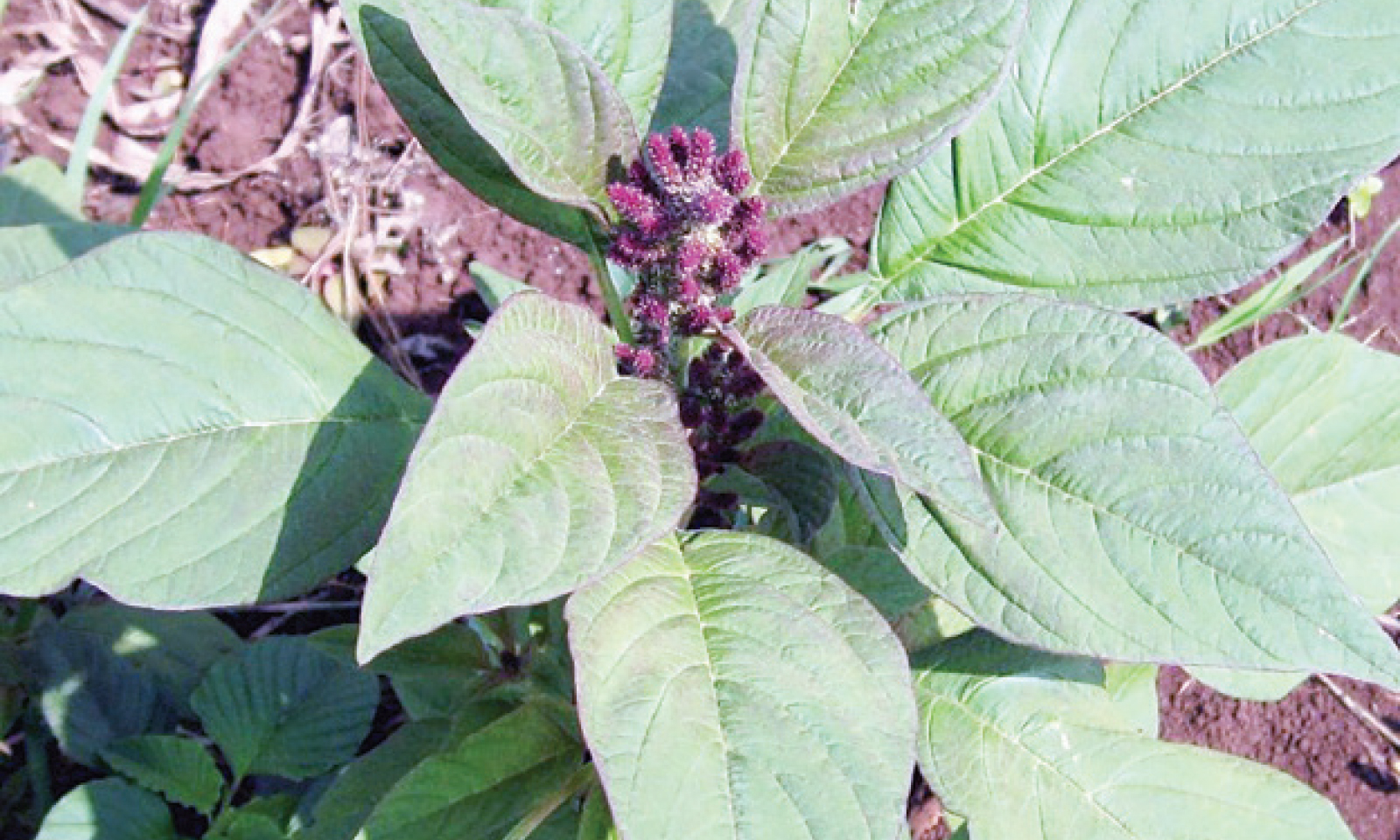
Sifelani Tsiko
Innovations Editor
Better rainfall with average to above-average precipitation late in the first half of the 2024 – 2025 summer cropping season is helping the country recover from last year’s severe drought.
The rains have enhanced soil moisture, benefiting not only the planting of summer sown crops such as maize, sorghum, groundnuts and others, but also the growth of indigenous vegetables both on farmland and in the wild.
Zimbabwe badly needed good rainfall for the 2024/2025 cropping season after its driest year in 2024 which depleted reservoir levels and trimmed production of some crops.
This forced the country to import grain and widen food relief programmes to most parts of the country.
For Gogo Esnath Jimu of Mabvuku, the rains have also helped to improve her household food nutritional security.
“The coming of the rains has brought some relief to us the elderly. I am old and I cannot afford to buy cabbages, carrots and other vegetables sold by vendors here,” she said.
“Here on the outskirts of the Donnybrook Motor Racing Park I have a small field and I now pick nyevhe, mutsine and mowa to eat with my family. This is healthy food and this is what we grew up eating.
“I thank God for the good rains. Rain has washed away our hunger. They brought hope to the poor who cannot afford to buy meat and other expensive vegetables which are grown these days.”
Indigenous vegetables are becoming more important in both urban and rural areas where people cannot always afford expensive vegetables.
Rains bring plenty of indigenous vegetables such as mowa, mubovora, nyevhe, mutsine, derere rebupwe, regusha, rename and renyunje, among a broad range of leafy vegetables consumed in the country.
There has been a practical disappearance from the country’s diet of indigenous vegetables as well as small grains due to the rising consumption of exotic vegetables (cabbages, spinach, carrots, broccoli) which have been aggressively marketed and promoted.
“My grandchildren now prefer spaghetti, macaroni, rice and salads made from expensive foreign vegetables. I find it so depressing when they refuse to eat our local indigenous vegetables,” said Gogo Jimu.
“We must now work hard to reclaim our diets which are healthy. Let us not look down on our own Zimbabwean vegetables. Let’s teach our children and all people in Zimbabwe that this is our food and it’s part of us.”
Agricultural experts say people in Zimbabwe use more than 40 different indigenous vegetable species.
Pro-indigenous vegetable experts say in the past, the proportion of micro-nutrients in the diet was considerably higher than that seen in today’s food which is rich in starch, fat and sugars.
As a result, Gogo Jimu says people used to be stronger and healthier than the present population.
“Junk food is killing our people. Our children love unhealthy modern diets which are making them sickly and weak. It’s so sad to see many of our people dying from hypertension, diabetes and cancer due to these unhealthy diets,” she said.
“Let’s bring back our old diets. Let’s eat what our ancestors ate. Let’s be proud of our own indigenous vegetables.”
The introduction of maize, pumpkins, cassava, potatoes, cabbages and other crops has eroded the food crop diversity of Zimbabwe.
Only a few of the old traditional crops are still being consumed.
This is the same story for almost every country in Africa.
“Leafy vegetables are a rich source of iron, calcium and other minerals and contain considerably more minerals and micro-nutrients than cabbages, lettuce and other exotic vegetables.
“A further point is that many indigenous vegetables have a medicinal value, they were initially used more as a medicine than as a condiment to supplement other food items,” said Rudy Schippers in a report titled: “Promoting the Use of Fresh and Processed Indigenous Vegetables in Zimbabwe.”
Zimbabwe has adopted a number of agricultural policies that aim to support smallholder farmers to reclaim and use traditional seeds and break dependence on commercial varieties.
There is greater dialogue focusing on how the country could better utilise indigenous food and seeds to counter the effects of climate change and hunger crises.
Indigenous vegetables are important in building a stronger food self-reliant communities. They could also help reduce the heavy reliance on donor food support particularly for vulnerable communities and the urban poor.
Dr Batsirai Chipurura, a food quality, safety and development expert, said people should eat more indigenous vegetables due to their health benefits.
“Evidence suggests that consuming mowa can improve digestion, increase appetite, and help prevent goitre (an enlarged thyroid gland). It’s even considered a complete food source for those with anaemia, poor child growth, and malnutrition,” he said.
“Beyond its nutritional value, mowa has been used in traditional medicine for various health concerns. For example, it’s been used to treat respiratory issues like coughs and colds, and digestive problems such as diarrhoea, constipation, and ulcers.”
Additionally, he said mowa could help with urinary tract issues, including kidney stones while externally, mowa leaves could be applied to the skin to treat conditions like eczema, psoriasis, and wounds.
“Ngatidyei mowa zhizha rino,” Dr Chipurura said, roughly translated, ‘Lets eat mowa this rainy season.’
“In women’s health, mowa is used to regulate menstrual cycles, reduce heavy bleeding, and increase milk production. It is also used to address other health issues such as jaundice, hepatitis B, and fever.”
Agricultural experts say the world’s agro-biodiversity is disappearing at an alarming rate.
For several major crops, up to 80–90 percent losses in variety over the past century have been reported.
Zimbabwe has lost several crop varieties due to erosion of local indigenous knowledge systems, promotion of improved varieties, lack of incentives for locally adapted crops and non-recognition of the keepers of crop diversity, among other factors.
There has been a practical disappearance from the country’s diet of vegetables such as mowa, nyevhe, mutsine, derere rebupwe, regusha, rename, renyenje as well as small grains due to the rising consumption of exotic vegetables (cabbages, spinach, carrots, broccoli) which have been aggressively marketed and promoted.
“This drastic decline in eating indigenous vegetables is a reflection of how seriously our pallets have been colonised. How can this be addressed or reversed?” a critic said, calling on farmers and development partners to come up with strategies that could help increase production, processing and consumption of indigenous foods.
Experts say promoting the development and use of indigenous vegetables, both in fresh form and in processed form, could be one way to enhance their utilisation.
“Young people don’t want to eat mowa, mutsine, mufushwa, derere or nyevhe. They will say you are giving us poison. We need to prepare tasty and appealing indigenous vegetable dishes so that our young people can eat them as well,” a food expert said.