

 admin
admin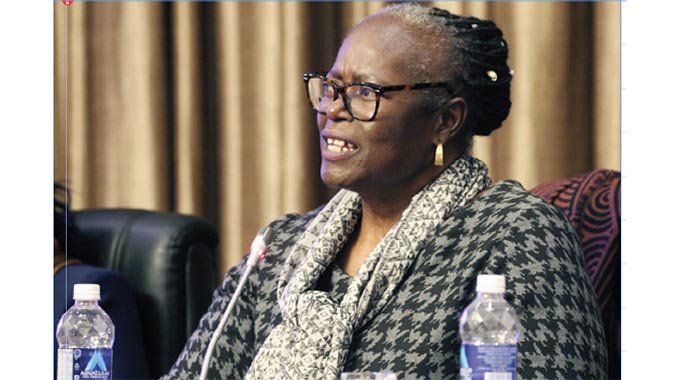
Mutsawashe Mashandure
Herald Correspondent
Skills Audit and Development permanent secretary Ambassador Rudo Chitiga says there is need for enhanced collaboration between industry and educational institutions to equip students with technical skills rooted in 5.0 heritage-based education.
Speaking at the dialogue on skills development between industry and academia, Ambassador Chitiga highlighted gaps in soft skills and the importance of addressing local challenges.
“We need to foster synergy between industry and academia to impart students with necessary skills,” she said.
The Government is initiating programs for PhD graduates in agriculture to utilise their technical skills for national development.
“We spoke to young PhD graduates in agriculture who said that if they are offered housing, they would stay in the country,” she said.
“They requested land, and we have appealed to the Ministry of Housing for this opportunity. This initiative aims to retain our graduates to contribute to our development instead of them leaving to support other economies,” she said.
Speaking at the same event a representative from Harare Institute of Technology Dr Patrick Dhliwayo echoed the need for effective internship programs, curriculum alignment, and collaboration.
“To better equip students during their attachments, supervisors should visit placement sites,” he said.
“This helps to assess how well students apply their school knowledge and understand company adaptations to their training. Often, students end up doing menial tasks instead of gaining relevant experience.”



 Online Reporter