Online Reporter
Business Reporter
INSURANCE executives from Kenya and Rwanda have called for a fundamental shift in the relationship between regulators and insurers, arguing that inclusive insurance can only thrive when regulators act as enablers rather than enforcers.
The calls came at the Insurance and Pensions Symposium in Victoria Falls, organised by the Insurance and Pensions Commission of Zimbabwe (IPEC) to mark its 20th anniversary.
Mr Emmanuel Nzanana, Chief Operating Officer of Rwanda’s award-winning Radiant Yacu, outlined three principles for inclusive insurance.
First, he said, insurers must prioritise prompt claims payments.
“In case you have received the premium, make sure you pay the claim within the shortest period,” he said.
Second, he called for a shift in regulatory culture.
“Regulator should be enabler, not traffic police officer,” he said.
Third, he acknowledged that the rapidly evolving nature of inclusive insurance required adaptability from all stakeholders.
“This controlling space is new to everyone,” he said. “We have to continue learning. The ability to unlearn is key and fundamental in this journey.”
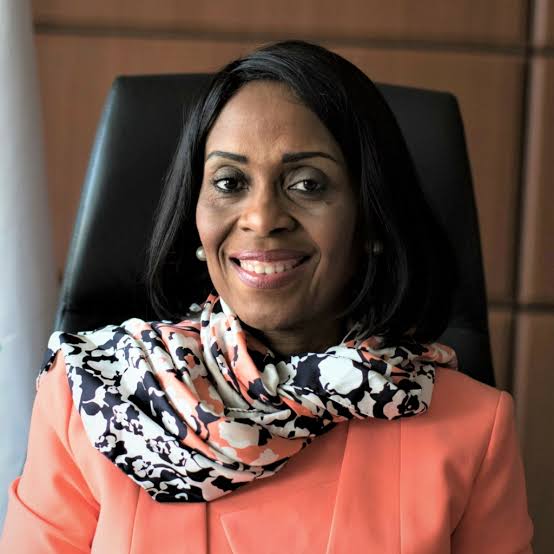
Ms Eva Kimani, Chief Executive of Kenyan-headquartered Britam Connect, which operates in eight African countries, also echoed calls for collaboration while focusing on the specific challenges facing embedded insurance products such as mobile handset cover and taxi passenger insurance.
She said closing the gap on inclusive insurance required insurers, regulators and government to work together.
“We must stop the policing and really listen to one another,” she said. “We must collaborate.”
Ms Kimani highlighted know-your-customer (KYC) requirements as an area where traditional regulation clashed with the realities of microinsurance.
“In Kenya, you need almost your mother’s birth certificates to get a policy,” she said. “You need your KYC, you need your ID, you need all that.”
She contrasted this with products designed to insure a single taxi ride or a mobile handset.
“Why would a customer give me all that information for a product that is going to last one hour?” she asked.
Ms Kimani said Britam Connect distributed its embedded products through USSD, mobile applications and APIs, allowing partners to integrate cover at the point of sale without lengthy onboarding. Claims are handled through WhatsApp channels, with customers able to submit photographs of damage or police abstracts and receive payouts on a near-real-time basis.
“If I am distributing products with tech, then I have to enable my customers to claim using technology,” she said.
She urged regulators to allow insurers room for experimentation.
“Make sure you also allow us to take the mistake,” she said.
Both speakers emphasised that inclusive insurance required a fundamental rethink of how the sector was governed.
Ms Kimani called on regulators, insurers and policymakers to work together to create frameworks that reflected the nuances of microinsurance.
“We all have to work together – regulator, government policy makers – and really look at the nuances of what it is we are doing and then create solutions and policies that fit into that market,” she said.
Mr Nzanana concluded his remarks with a reflection on the need for continuous learning.
“The ability to unlearn is key and fundamental in this journey,” he said.
Britam Connect is headquartered in Nairobi and operates in eight African markets. Radiant Yacu is a Rwandan insurer recognised for its inclusive insurance model. The Victoria Falls symposium brought together industry leaders and regulators to mark IPEC’s 20th anniversary.