Online Reporter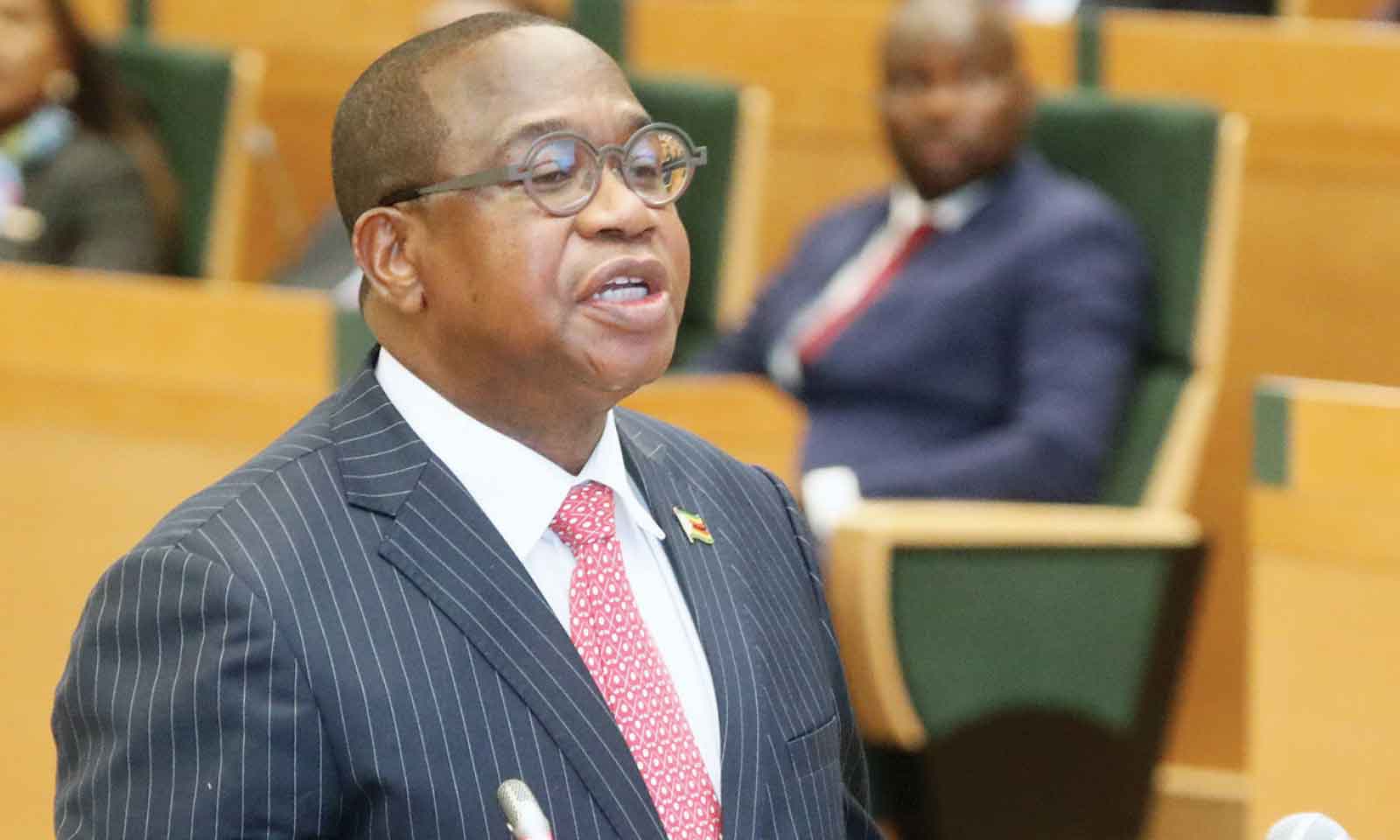
Business Writer
ECONOMISTS have hailed Zimbabwe’s return to single digit ZiG inflation as an epochal milestone in the quest for durable price and economic stability, but warn that the greater challenge now facing authorities is sustaining the low inflation environment beyond 2026.
Economists say Zimbabwe will need to maintain strong production across key sectors, uphold strict monetary discipline and benefit from favourable external conditions to keep inflation anchored.
Official data for January 2026 shows year on year ZiG inflation falling sharply to 4,1 percent, down from 15 percent in December 2025, marking the first time the annual domestic currency inflation rate has dropped into single digits since 1997.
Month on month ZiG inflation stood at zero percent, reinforcing a rare but long awaited period of price stability in the local currency.
The development highlights the significant success of monetary and fiscal measures implemented since the introduction of Zimbabwe’s foreign currency reserves and the gold backed structured currency, the ZiG.
This achievement is especially notable considering that domestic currency inflation peaked at 95,8 percent in July last year before gradually declining to beat the year end target of between 25 and 30 percent.
Similarly, the ZiG exchange rate remained largely stable, averaging 26,7 throughout 2025. This stability has been a crucial factor in moderating domestic prices, given the strong link between local prices and movements in the US dollar exchange rate.
The Treasury said achieving single digit inflation is vital for creating a predictable environment that promotes economic growth, builds investor and business confidence, and attracts long term domestic and foreign capital.
It added that low inflation is essential for long term planning, eliminating arbitrage and speculation, promoting national savings and reducing operational costs for businesses.

The Treasury further emphasised that the prevailing stability reflects deliberate policy alignment rather than coincidence. Finance, Economic Development and Investment Promotion Minister Professor Mthuli Ncube described the inflation outcome as “a historic milestone for Zimbabwe after nearly three decades”.
“This is a result of concerted and consistent efforts by the Ministry of Finance and the Reserve Bank of Zimbabwe through the implementation of complementary fiscal and monetary policies. Prudent fiscal policy over the past few years, and complementary monetary policy since the introduction of ZiG in April 2024, has resulted in macroeconomic stability policies,” said Minister Ncube.
The minister said price stability meant low inflation, strengthening confidence in the local currency, enabling businesses to implement long term plans with certainty and aligning Zimbabwe with the SADC Macroeconomic Convergence Benchmarks.
These benchmarks include the budget deficit, current account deficit and inflation maintained within the three to seven percent range.
Economists, however, caution that sustaining this achievement will depend heavily on disciplined policy consistency, robust production growth and favourable external conditions.
Harare economist Mr Malone Gwadu argues that maintaining single digit inflation will require long term inflation proofing measures rather than short term controls.
“Maintenance of single digit inflation can only be achieved by consistent and coherent inflation-proofing policies. The key is holding the fort on controlling money supply and ensuring it does not threaten existing single digit levels,” said Mr Gwadu.
Mr Gwadu said supply side interventions are just as important as monetary restraint.
“Ramping up production, especially in exporting sectors such as mining, given rising international commodity prices like gold, helps control inflation. It ensures currency stability and enhances defensive capabilities through increased foreign currency earnings and accumulation of reserves,” he said.
From an investment standpoint, Mr Tafara Mtutu said Zimbabwe has a reasonable chance of sustaining price stability through 2026, largely because the factors that drove inflation between 2018 and 2022 are no longer present.
“The things that pushed inflation between 2018 and 2022 were scarcity of foreign currency, poor currency management by the central bank and droughts. All these drove depreciation in the local currency and fed inflation,” Mr Mtutu said.
He said the situation has changed significantly.
“We are seeing that all three are not in the picture in 2026. There is a better chance that we can actually manage to maintain single digit inflation in 2026,” said Mr Mtutu.
However, looking beyond that horizon, Mr Mtutu urged caution.
“Going beyond 2026 is a stretch. We would need clarity on the stance of the central bank on monetary policy, whether interest rates are lowered or more ZiG liquidity is released.”
He also highlighted climate risks and commodity cycles.
“Another drought could push grain and food prices up, while sustained high gold prices and production are crucial to keeping foreign currency inflows strong. These are factors we cannot easily forecast,” he said.
Minister Ncube urged Zimbabweans to embrace the local currency.
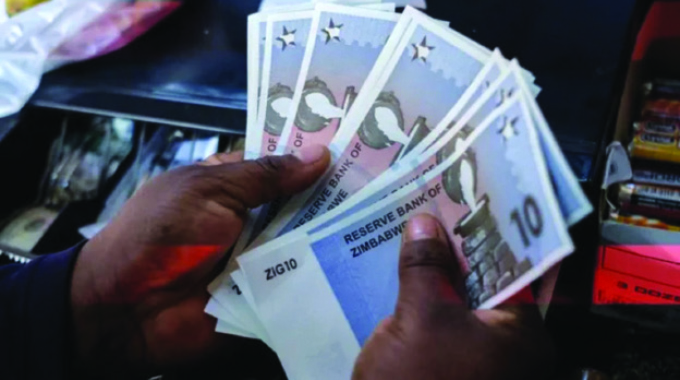
“People should have confidence and accept the ZiG as it preserves value and is an acceptable medium of exchange. Businesses and investors can now implement their long-term plans with certainty,” said the Minister.
He noted that Zimbabwe is now aligned with SADC macroeconomic convergence benchmarks, including the inflation target range of three to seven percent.
“For citizens, stable prices preserve buying power and protect savings. For business, it enables long-term planning, reduces operational costs and enhances profitability.”
Looking ahead, he said the Government is committed to entrenching stability.
“We will continue implementing well-coordinated monetary and fiscal policies, which is critical for Vision 2030. Business should exercise restraint in price setting, while workers should align salary adjustment requests to inflation developments,” said Minister Ncube.
At the central bank, Reserve Bank of Zimbabwe Governor Dr John Mushayavanhu has linked sustained single digit inflation to the long term goal of a monocurrency system supported by strong fundamentals.
“Transition to a single currency will only proceed once the fundamentals are firmly in place, and those fundamentals are non-negotiable,” he said.
Dr Mushayavanhu outlined key conditions including sustained single digit inflation, foreign currency reserves covering three to six months of imports, a unified and efficient foreign exchange system and stable exchange rates under the ZiG.
“For our economy to be competitive, we need to have our own currency,” he has said.
Since its launch in April 2024, the ZiG has helped curb inflation and stabilise the exchange rate, with annual inflation falling from 95,8 percent in July 2025 to 15 percent in December, while the currency has firmed by 1,5 percent since the start of 2026.
Economists broadly agree that Zimbabwe’s inflation breakthrough is real but fragile. Whether the country can maintain single digit inflation beyond 2026 will depend on strict money supply discipline, resilience to climate shocks, strong export performance and unwavering policy co-ordination.



 Blessing Chizhande