Online Reporter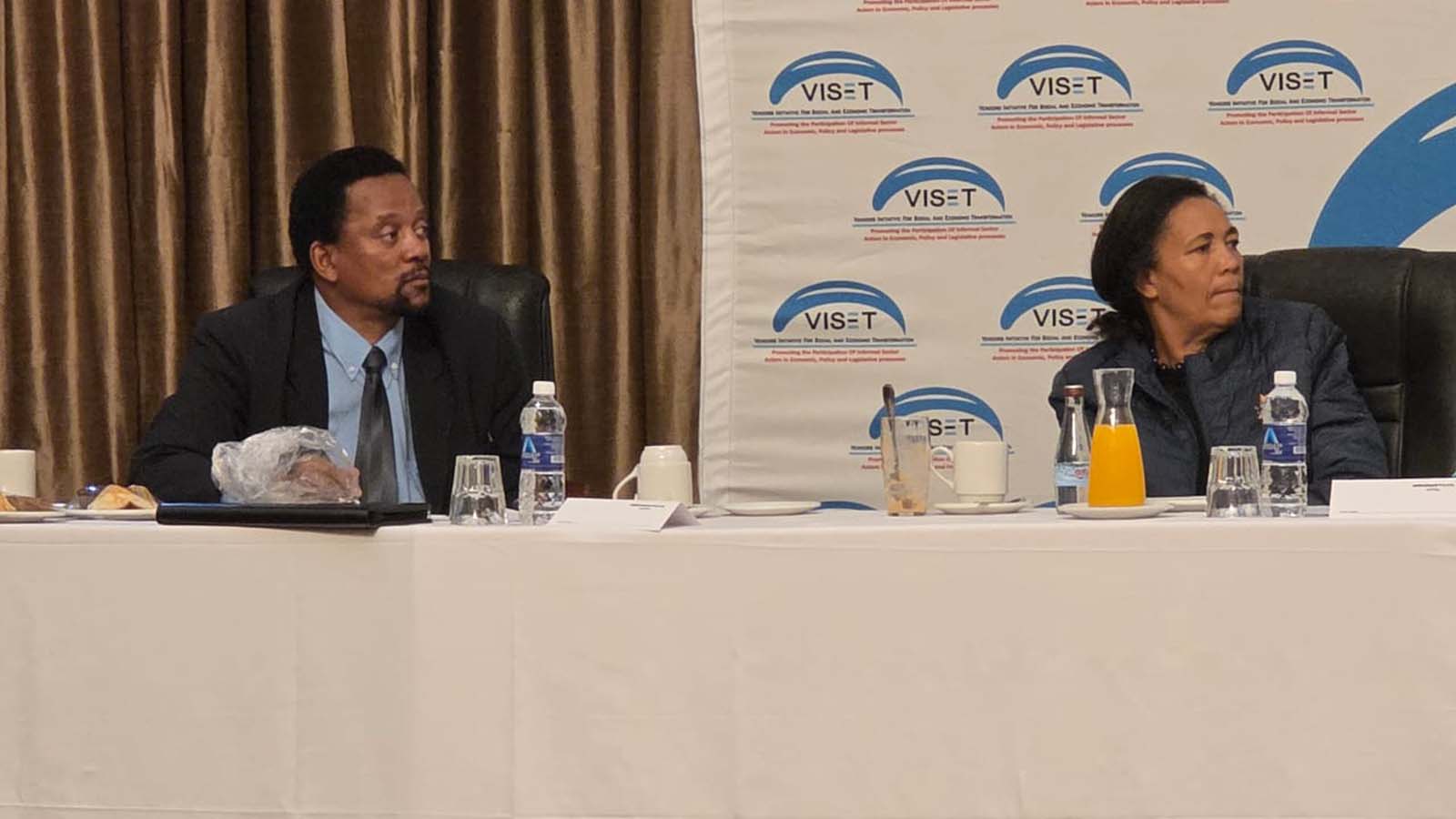
Trust Freddy
Zimpapers Correspondent
INFORMAL traders have made a passionate appeal to the Government to channel their future tax contributions towards the urgent modernisation of marketplaces and the provision of decent workspace infrastructure.
The call for a “service-first” approach to taxation was the centrepiece of the National Open Policy Discourse on Informal Economy Taxation held in Harare on Thursday.
Organised by the Vendors Initiative for Social and Economic Transformation (VISET), the forum served as a platform for dialogue between the grassroots entrepreneurs who power the nation’s economy and key policy drivers from Zimra and various Government ministries.
Far from resisting the call to contribute to the national fiscus, representatives of the informal sector expressed a willingness to partner with the state, provided the funds are used to address their challenges.
“We have no problem in paying taxes because it will assist us in national development,” Mr James Mudzanhiri, a member of VISET said.
He, however, stressed that the sector is appealing for a reciprocal arrangement.
“We expect to see new markets being constructed and proper ablution facilities provided. Currently, vendors are just in the streets without supporting infrastructure.”
Director of VISET, Mr Samuel Wadzai, praised the collaborative atmosphere, calling it vital for building trust.
“Many workers in the informal economy believe that paying taxes is simply losing money without receiving any benefits in return,” he said.
“We are undertaking this initiative to help people understand why their participation is vital and to ensure that authorities clearly explain the advantages of paying taxes.”
The discourse follows recent directives by Finance, Economic Development, and Investment Promotion Minister Professor Mthuli Ncube for Zimra to work closely with local authorities to streamline revenue collection and curb defaults.
Addressing delegates, Zimra Technical Services official Mrs Priscar Hoko urged traders to embrace formalisation, noting that the sector’s contribution is essential for sustainable national development.
“Look at the statistics; there is no way we can ignore taxation of the informal sector. It is the modalities that we need to look at and how we can collect for sustainable economic development,” she said.
Mrs Hoko added that Zimra is actively engaging local authorities to simplify compliance. “We are engaging local authorities to see how we can make it easy for informal traders to comply without disturbing their operations.”
MSMEs currently provide over 70 percent of the country’s jobs and contribute more than 60 percent to the national GDP.