
Ivan Zhakata
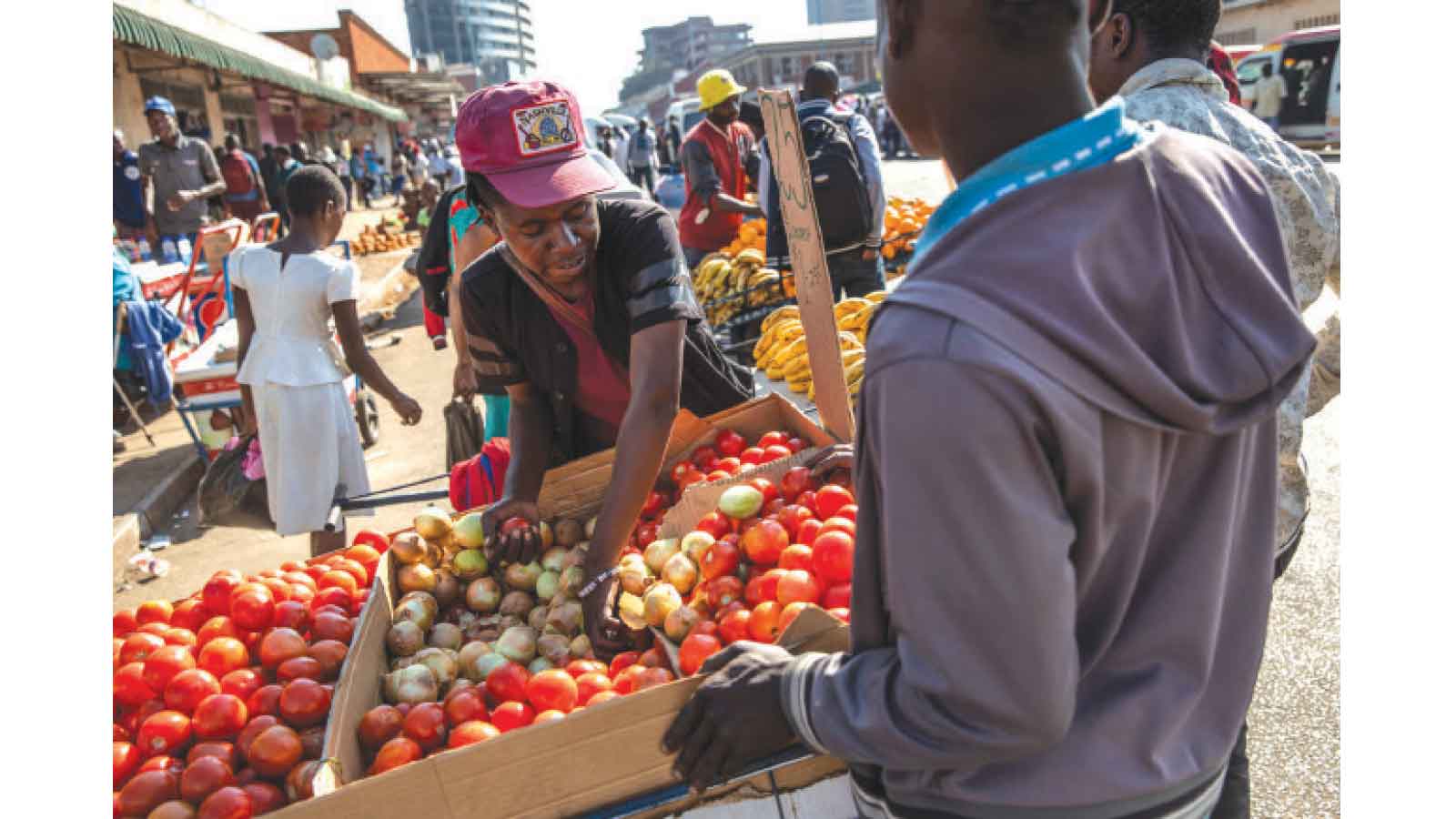
INFORMAL traders have called for reforms to improve infrastructure, enhance security of tenure and increase their participation in decision-making processes, as the City of Harare pledged to pursue policy and financing reforms aimed at transforming urban markets.
The concerns were raised at the recent African Cities Research Consortium (ACRC) Urban Markets Indaba held in Harare, where market representatives, city officials, researchers and development partners discussed challenges facing urban markets and explored possible solutions.
Speaking on behalf of traders, the Glen View Area 8 Furniture Complex management committee chairperson, Mr Tawanda Utete, said urban markets remain critical centres of employment and economic activity but continue to face numerous operational challenges.
He said the major challenges affecting markets include inadequate water supplies, poor sanitation facilities, irregular refuse collection and lack of shelter for traders and farmers.
Recurring fire outbreaks at the Glen View Area 8 Furniture Complex and overcrowding, he said, had increased vulnerability to disasters.
“We do not want to be treated as illegal traders,” he said.
“We need formal recognition and proper licensing frameworks that allow us to operate our businesses freely.”
Mr Utete called for harmonised policies, improved access to finance and secure trading spaces to ensure the sustainability of market operations.
Representing the Lusaka Fresh Produce Market in Highfield, Mrs Alika Bhasikoro said farmers who supply urban markets continue to face difficult conditions due to inadequate infrastructure. She said many farmers travel long distances and arrive at markets at different times but lack accommodation facilities and storage space.
“Our markets are failing to accommodate farmers adequately, especially those bringing perishable products.
“There is a need for investment in proper infrastructure and storage facilities,” she said.
Mrs Bhasikoro said improving market infrastructure would strengthen food supply systems and improve livelihoods for both farmers and traders.
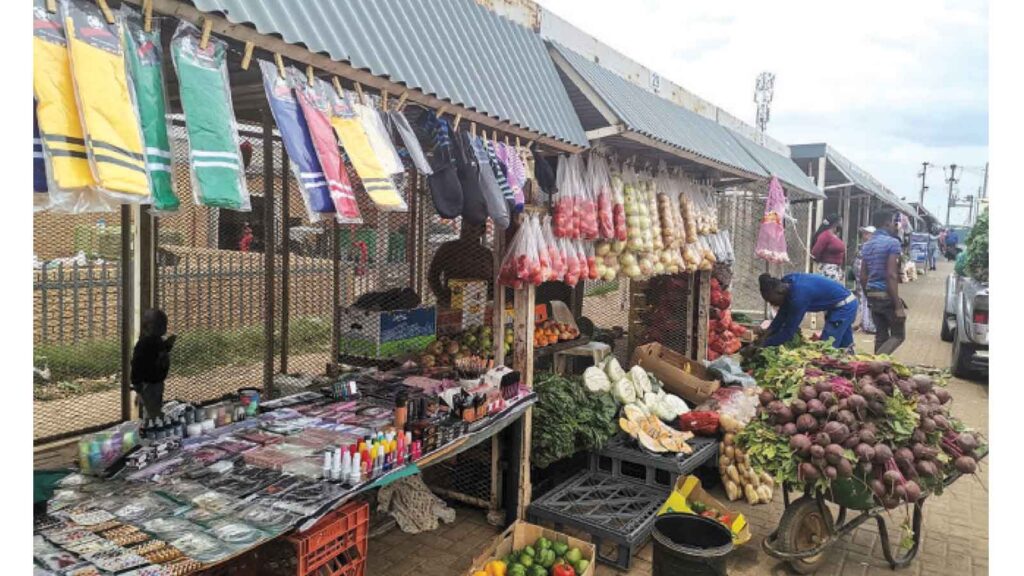
Informal traders have called for reforms to improve infrastructure, enhance security of tenure and increase their participation in decision-making processes.
Hatcliffe Dust Market chairperson Mr John Kazingizi said urban markets had become an important source of income for many households.
He welcomed the City of Harare’s decision to review market fees following concerns raised by traders and urged the authorities to expedite market development projects.
“In Zimbabwe, markets have become a major source of livelihood . . . The markets have enabled families to send their children to school, with some traders even funding university education from the proceeds generated through market activities,” said Mr Kazingizi.
“We also welcome the commitment to build and improve markets, and we are prepared to pay the requisite fees to ensure these markets are sustainable.”
The authorities, Mr Kazingizi said, should ensure that new market developments accommodate all traders operating within communities.
“Our plea is that when these markets are built, they should be large enough to accommodate those who may not currently have market stalls in their names but depend on these spaces for their livelihoods.
“Markets must create opportunities for everyone to participate in economic activities,” he said.
Jambanja Market operators chairperson Ms Prudence Chimbo called for greater engagement between local authorities and traders, saying many operators felt excluded from decisions affecting their businesses.
Ms Chimbo also raised concerns over unregularised markets and land-related disputes, particularly in Chitungwiza, which she said were threatening traders’ livelihoods.
“We need our voices to be heard because we are part of Zimbabwe’s economy. Many traders continue to operate under uncertainty because markets are not regularised,” she said.
Acting Harare Town Clerk Advocate Warren Chiwawa acknowledged the challenges facing urban markets and said the local authority was committed to finding practical solutions.
“As administrators managing rapidly growing cities, we know that our challenges in informal economies and marketplace management are shared,” he said.
Market leaders and trader associations, Adv Chiwawa said, were important stakeholders whose participation was critical in developing responsive policies and programmes.
He said delegates toured selected markets ahead of the indaba to gain a first-hand appreciation of the infrastructure deficits and operational challenges confronting traders.
“We did not want this indaba to be a theoretical exercise. We wanted stakeholders to see the realities on the ground, including infrastructure gaps and the economic potential that exists within these markets,” he said.
Adv Chiwawa welcomed ACRC’s involvement and said its evidence-based research would support policy formulation and market development initiatives.
“The administration of Harare is fully committed to implementing actionable outcomes, financing mechanisms and policy reforms that emerge from these deliberations.”
The indaba forms part of the ongoing ACRC Urban Markets Action Research Process, which seeks to identify practical solutions for repositioning Harare’s urban markets as inclusive, productive, resilient and well-governed city systems.
Stakeholders said improved infrastructure, better governance and formal recognition of traders would be critical in unlocking the full economic potential of urban markets, which have become an increasingly important source of employment and income generation in Zimbabwe.