admin
admin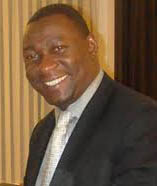
Zvamaida Murwira Herald Reporter
THE information sector has a duty to uphold the provisions of the Constitution that bind every Zimbabwean to safeguard and defend the values of the liberation struggle, Information, Media and Broadcasting Services Deputy Minister Cde Supa Mandiwanzira has said.He said it was part of the mandate and obligation of the information sector to implement the Zanu-PF election manifesto in the wake of the party’s resounding victory in the harmonised elections.
Cde Mandiwanzira was speaking in an interview after the ministry completed a two-day strategic retreat attended by heads of parastatals and State enterprises under the ministry.
“We certainly expect that operations and performance of all parastatals must be aligned to the ethos of our national vision, to what our manifesto as Zanu-PF says,” he said. “To do the fundamental thing, that as outlined in our Constitution, one of which is to safeguard, defend, protect and promote the legacy of the liberation struggle,” said Cde Mandiwanzira.
He said following the retreat, participants were now clear on what to do in delivering what Zanu-PF promised Zimbabweans during the election campaign. “It is very clear that this Government is committed to do what it promised when it was campaigning. This workshop or retreat coming as it did soon after the inauguration of the Cabinet and the first Cabinet meeting reflects its commitment to action its promises.”
Cde Mandiwanzira said it was important that local broadcasting stations implement the 75 percent local content policy in terms of the law.
“The policy of 75 percent local content is going to be enhanced, not just on music, but on film and video production,” he said. “The United States do not play local content from Britain or Canada.
They are very strict and adhere to local content and there is evidence that Zimbabweans want to hear and see themselves on local radio and television.”
On media laws, Cde Mandiwanzira said legal provisions governing local media players compared well if not better to other countries. “There is nothing draconian about our laws,” he said. “They are comparable to other media laws elsewhere the world over. In fact, if you compare them with media laws elsewhere particularly in West Africa, our media laws are very flexible.”
Participants also discussed how to raise funds to finance infrastructure in the sector, while others proposed to pursue the possibility of accessing funds from the Universal Services Fund.


 Online Reporter