Chronicle Editor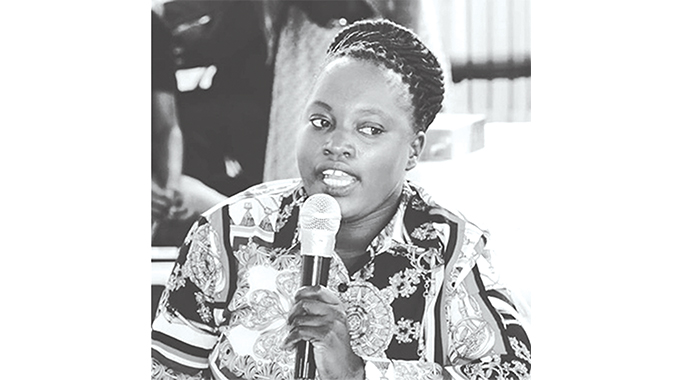
Thandeka Moyo-Ndlovu, Health Reporter
SINCE the introduction of the Covid-19 vaccine in Zimbabwe in February this year, 756 291 people have been inoculated against the deadly virus.
Of those, however, no one knows how much people with disabilities (PWD) and those living with albinism contributed to the figure as these two minority groups continue bearing the brunt of Covid-19.
From the outbreak of the virus in March last year, the county undertook measures that were effective in curbing the spread of the disease which has so far killed 1 275 Zimbabweans.
People with disabilities are a key constituency in Zimbabwe and are estimated to be about 1,4 million; however, they remain invisible in all levels of society and face numerous challenges in accessing healthcare, jobs, education, and justice. Moreover, women and girls with disabilities are particularly vulnerable to discrimination due to their marginalised gender.
A United Nations Women report shows that one in five women in Zimbabwe live with disabilities but the figure may be much higher.
Zimbabwe on the other hand was one of the first countries to ratify the UN Convention on the Rights of Persons with Disabilities in 2013 and remains one of the few countries in Africa with legislation that specifically caters for people with disabilities.
By domesticating the UN Convention on the Rights of Persons with Disabilities, the country would have moved together with other progressive countries in putting disability on the national agenda.
Miss Sukoluhle Mhlanga, a gender and disability activist, says despite gains that have been made in the fight Covid-19, PWD are still far from having full access to healthcare services including basic information to keep themselves free from the virus.
She called for more awareness programmes especially on vaccines to help demystify myths that are still circulating among them.
“The truth is when vaccines were introduced, they were targeted frontline workers and we do not have any PWDS working in health care or the armed forces. When the programme was rolled out to those with chronic illnesses and the general public, we also failed to access it due to transport costs and other mobility challenges beyond our control.”
“There was a time when in Bulawayo we ran out of dose one in local clinics and we referred elsewhere which was a challenge on its own and I can tell that only a number of PWDs have been vaccinated against Covid-19.”
Ms Mhlanga says authorities can consider targeted roll out of the vaccine where PWDs can benefit from their centres where they are normally found daily.
“Most of us are informal traders and now that we will need Covid-19 certificates to operate, it means most of us will lose their source of living. We appeal to leaders to consider using public platforms like TV and radio to disseminate information on the vaccine and also reach out to PWDs from their homes and centres so that we too can access the lifesaving information and vaccine.
She said the most affected PDWs are those with hearing impairments as they have been left out in many information disseminations programmes.
Mr Mighty Ncube who is visually impaired says most PWD are bound to lose their source of living following Government directive that vendors should be vaccinated.
“We do not have access to the clinics or centres offering the vaccine at the moment. We need money to travel and to be assisted while using public transport because we cannot handle the commotion that occurs there,” he said.
“Yes, in the past we have failed to access basic medication but I think Covid-19 has left us way behind than ordinary citizens as nothing much has been done to cater for us in terms of awareness raising. We long to participate in the great moves that the country is taking against Covid-19 but PWD has not yet been considered in the planning phase.”
A report conducted by the United Nations Educational Scientific and Cultural Organisation (Unesco) also states that access to Covid-19 information in accessible formats for PWD remains a challenge in Zimbabwe. While 65 percent of the persons interviewed by Unesco admitted they have received regular information, 82 percent found the information received not really useful.
“The banning of informal livelihood activities such as vending and begging has led to persons with disabilities experiencing acute challenges, as their sources of income have been disrupted. According to the study, income per month for persons with disabilities in the sample shrunk by 50 percent from $2 160 (US$43) per month pre-Covid-19 to $1 080 (US$13) per month during Covid-19 period. This is against a poverty datum line of ZW 17 957,00 (US$219) per month for a family of five,” says Unesco.
The study shows that access to food and nutrition has been severely affected. Food aid from Government, humanitarian organisations, churches, civil society organizations and individuals has been reduced, as a result of Covid-19 and lockdown measures having disrupted business operations.
“While Government provides free medical services to registered persons with disabilities, drugs are in short supply in designated healthcare centres and the data shows that not all deserving persons with disabilities are accessing the services during the Covid-19 period.
The study reveals that the number of meals for persons with disabilities nationally have been reduced from three (3) pre-Covid-19, to one (1) or two (2) during Covid-19.”
Ms Marvelous Tshuma the founder of Albinism Connect Campaign, aimed at empowering people with albinism, says Covid-19 worsened their plight as they are unable to use the recommended sanitisers due to skin conditions.
She says the pandemic has multiplied their challenges to health care as they now have an additional cost of finding suitable sanitisers to stay safe from Covid-19.
“I don’t think much was done in ensuring that we are included in the prevention and management of Covid-19 and honestly a one size fits all approach was applied. I think there is need for research to be done or to develop sanitisers which have lesser corrosive chemicals but with the same potency to fight Covid-19,” says Ms Tshuma.

“We also need provisions for (People with Albinism) PWA or those with sensitive skin in public places so that they can access them just like every Zimbabwean.
She says vaccination is still surrounded by scepticism especially within the albino community as and just like PWDs, a majority had not been vaccinated.
“So much more needs to be done to educate communities not only PWDs or PWA but the community as a whole about why it is good for us to take the vaccine,” she adds.
People with albinism have a 1 000-fold risk of developing skin cancer, compared to the general African population. The lack of melanin in people living with albinism increases their risk of developing skin cancer which must be prevented by using skin care products.
As a result, many die from skin cancer before the age of 40 in Zimbabwe.
With WHO guidelines calling for frequent use of hand sanitisers, many have found themselves unable to access shops and public places as they cannot use sanitisers which can further worsen their skin conditions.
Last year, a woman with albinism from Masvingo was barred from entering Pick and Pay supermarket after she asked for water instead of using the sanitiser meant for members of the public. — @thamamoe


 Online Reporter