Precious Manomano-Herald Reporter
GOVERNMENT’S input distribution programme is in full swing across the country amid ongoing rains that have given fresh impetus to preparations for the 2026/27 summer cropping season.
Farmers are assessing soil moisture conditions and preparing to plant, while the Government works to ensure inputs reach all wards by the end of the month.
However, farmers have been urged not to rush into planting simply because it has rained, but to assess the amount of rainfall received and ensure there is adequate soil moisture for successful crop establishment.
In an interview on Tuesday, Agriculture, Mechanisation and Water Resources Development Permanent Secretary Professor Obert Jiri said farmers who have received sufficient rainfall should take advantage of the moisture and begin planting.
Those in areas that have received inadequate rainfall or isolated showers, he said, should remain patient until conditions improve.
“Input distribution is well on course. We have distributed about 100 percent of the maize seed and top-dressing fertiliser. The inputs have come through and we launched the national Pfumvudza/Intwasa programme in Masvingo last month,” he said.
The accelerated distribution comes as farmers complete land preparation and establish Pfumvudza/Intwasa plots ahead of the peak planting period.
Prof Jiri said the focus was on ensuring that farmers are ready to take full advantage of effective rains, particularly as the country prepares for a season that could be affected by a strong El Niño event.
“We are deep in preparations for summer. Farmers have expedited the preparation of Pfumvudza plots, which is critical. Farmers need to prepare accordingly because the season might not be favourable. Agro-matched input acquisition and land preparation must be on point,” he said.
Prof Jiri said the first rains should not automatically signal the start of planting in all areas.
“We still encourage farmers to be patient about planting,” he said, adding that farmers should consider local conditions and the likelihood of follow-up rains before putting seed into the ground.
The Ministry of Agriculture has advised farmers to consult Agricultural Business Advisory Officers for guidance on local rainfall conditions and planting decisions.
Rainfall exceeding 20 millimetres over three days may help inform a decision to plant, although adequate soil moisture and the prospects of continued rainfall remain critical.
The ongoing rains have brought renewed activity to farms, where farmers have been preparing land and conservation agriculture plots under the Pfumvudza/Intwasa programme.
The programme is being expanded to one million hectares from 718 000 hectares previously, as part of efforts to climate-proof agriculture and strengthen household and national food security.
More than 6 000 agricultural extension officers have also been deployed across the country to support farmers and strengthen early warning systems.
Prof Jiri said crop selection would be critical this season, particularly in areas where weather conditions could become less favourable for maize production.
“In most areas, we know that the suitability of maize production in Zimbabwe is likely to be constrained,” he said.
Prof Jiri urged farmers to diversify into traditional grains such as sorghum and millet, as well as sunflower and short-season crop varieties capable of maturing within a potentially shorter rainfall window.
Government has engaged seed companies to ensure farmers have access to climate-smart varieties suited to the anticipated conditions.
“I am happy to say that we have met most of the seed companies, which have agreed to introduce and supply climate-smart varieties to our farmers, including short-season and medium-season varieties that are appropriate for this season,” Prof Jiri said.
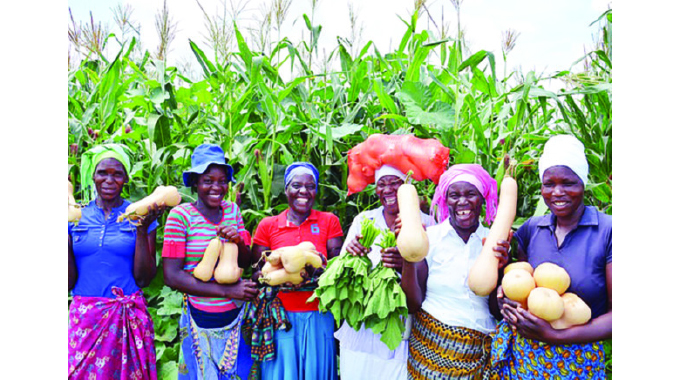
In Masvingo, farmers have welcomed the distribution of inputs under the Pfumvudza/Intwasa programme, which promotes the adoption of conservation agriculture and drought-tolerant crops.
Farmer Mr Fanuel Munyikwa, who has prepared eight Pfumvudza plots, said the programme had transformed his farming experience.
“I realised that farming using the Pfumvudza method is beneficial because, since I started using this method, I have never gone wrong,” he said.
Zaka South legislator Clemence Chiduwa said more than 5 000 farmers in the area had received inputs and were being encouraged to grow traditional grains.
“Farmers are being encouraged to grow small grains, and here we have more than 5 000 farmers who received inputs, and all have been advised to grow traditional grains,” he said.
Agricultural experts have urged farmers to complement the inputs being distributed with sound farming practices, including soil testing, water harvesting and moisture conservation.
Agricultural and Rural Development Authority board chairman Mr Ivan Craig urged farmers to conduct soil tests to determine soil acidity and nutrient levels before applying fertiliser.
“Soil testing is essential. The health and fitness of farmers are also important in increasing production,” he said.
Seed Co Africa head of agronomy and public relations, Ms Wendy Madzura, said farmers could reduce production risks by staggering planting dates and selecting varieties with different maturity periods.
She said water harvesting and soil moisture conservation would remain critical, particularly if rainfall is poorly distributed.
“Every drop counts,” she said.
Acting Deputy Director for Public Weather Services at the Meteorological Services Department, Mr Isaac Masawana, recently urged farmers to use both seasonal forecasts and short-term weather information when making farming decisions.
He said below-normal rainfall did not mean the country would receive no rain, as isolated heavy showers and thunderstorms could still occur.
With rains continuing across the country and input distribution gathering momentum, the focus is now on ensuring farmers make informed decisions and take full advantage of favourable planting conditions.