Online Reporter
Patrick Chitumba, Zimpapers Writer
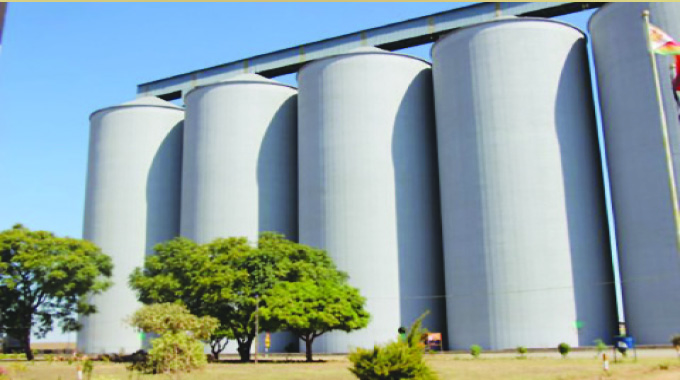
THE Government has commenced the distribution of 2025/26 summer cropping inputs to Grain Marketing Board (GMB) depots nationwide, ensuring farmers are adequately prepared for the forthcoming agricultural season.
This initiative supports the national objective of achieving food security and improved nutrition, in line with Vision 2030.
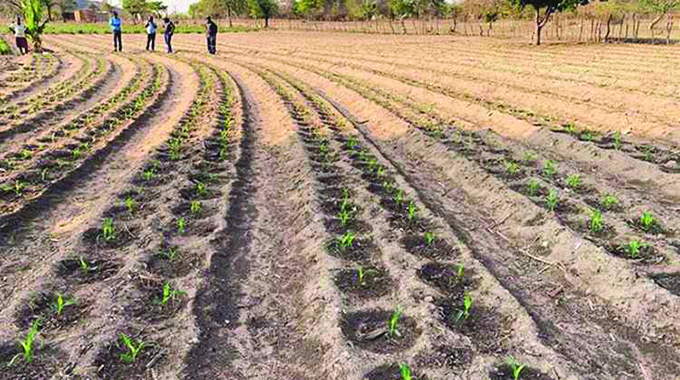
The development comes as more than five million Pfumvudza/Intwasa plots have been prepared across the country, with farmers gearing up for the 2025/26 summer cropping season.
Farmers have been cautioned about a short and sharp rainy season, suitable for cultivating short-season crop varieties that mature within 90 to 120 days.
According to the Meteorological Services Department (MSD), the rainy season is expected to begin later than usual due to climate change. Rainfall is anticipated to commence in November, peak to above-normal levels in December and January, and taper off by March.
With over three million households benefitting under the Presidential Free Inputs Scheme, the Pfumvudza/Intwasa Programme remains one of Zimbabwe’s flagship food security initiatives, driving the country towards reclaiming its status as the breadbasket of Southern Africa.
The Second Republic continues to champion the Pfumvudza/Intwasa programme, which plays a pivotal role in enhancing food security through climate-smart agriculture and efficient land utilisation.
Zimbabwe is accelerating the adoption of climate-resilient agricultural practices, with the Government targeting 100 percent uptake of the Pfumvudza/Intwasa model to boost yields and ensure long-term sustainable food security.
Climate-proofing the agricultural sector forms part of broader strategies, including the expansion of irrigation farming, aimed at protecting citizens from the increasing threats of climate change-induced food insecurity and malnutrition.
Pfumvudza/Intwasa is a holistic farming model that shifts away from traditional rain-fed, large-scale ploughing to a more precise, intensive and conservation-based approach.
The model has been widely credited with helping Zimbabwe avert food shortages during recent droughts and remains a cornerstone of the country’s national food security strategy.
Other maize production targets set by the Government include the National Enhanced Agricultural Productivity Scheme (Neaps), the Food Crop Contractors Association, self-financed farmers, and the Agricultural Rural Development Authority (Arda) scheme, collectively targeting 1.8 million hectares.
In an interview, Permanent Secretary in the Ministry of Lands, Agriculture, Fisheries, Water and Rural Development, Professor Obert Jiri, confirmed that the distribution of 2025/26 summer cropping inputs to GMB depots had begun.

“The farming inputs are already being moved to various GMB depots, ensuring farmers are well-prepared for the upcoming season. This move supports the goal of achieving food security and nutrition in line with Vision 2030,” he said.
With preparations well underway, some regions have already received early showers. These rains are encouraging farmers to intensify land preparation ahead of the expected onset of normal rainfall.
However, Prof Jiri advised that the early rains are not suitable for planting.
“These rains are not for planting, but we are pleased with the rate at which farmers are preparing their holes. Over five million plots have been prepared, which is commendable progress. We urge our farmers to work with Agritex officers on inputs registration,” he said.
Seed Co agronomist Mr Ronnie Chigombe advised farmers to select regional crop varieties suited to specific ecological conditions. He recommended ultra-early hybrids such as SC 301 for drier, short-rainfall areas in Region IV and Region V, and late-maturing, high-yield hybrids like SC 719 for high-potential and irrigated regions.
“There is a wide range of climate-smart varieties available, and farmers must choose the right seed for their specific region to maximise yields,” he said.
Midlands Provincial Director for the Agricultural Rural Development and Advisory Services, Ms Busiso Mavankeni, urged farmers to adhere to all Pfumvudza/Intwasa guidelines.
“To all farmers preparing their plots, do it properly — ensure the correct depth, apply sufficient fertiliser and mulching to conserve moisture. Balance your soil texture, add manure, and once the good rains arrive, farmers will achieve good harvests,” she said.
Ms Mavankeni added that the province aims to increase cereal and legume production, targeting 7 000 hectares under maize and 7 500 hectares under sorghum.
Under the maize crop, the province expects a yield of 35 000 tonnes, and under sorghum, 22 500 tonnes — contributing significantly to the national cereal reserves.