Vusumuzi Dube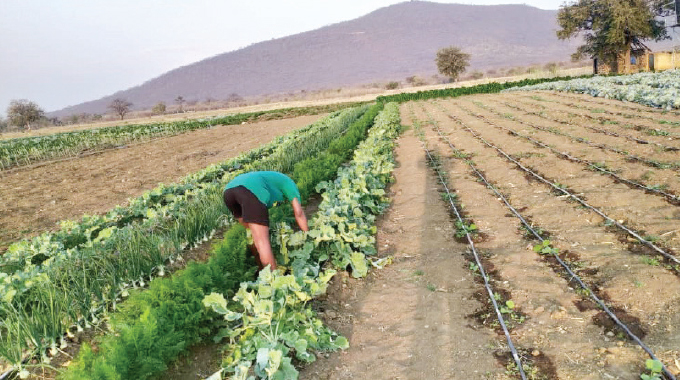
Vusumuzi Dube, Online News Editor
INSIZA District Agriculture Centre of Excellence in Matabeleland North Province has shown impressive strides in establishing business ventures, infrastructure development, and partnerships.
The centre of excellence was established through the Zimbabwe Agriculture Knowledge and Innovation Services (Zakis) project aimed at improving agricultural productivity, innovation, and farmer knowledge.
Overall six centres were established, which also include Chibero Agriculture Center of Excellence (CHACE), Matopos Agriculture Center of Excellence (MACE), Chegutu, Mhondoro-Ngezi, and Matobo District Agriculture Centres of Excellence that all remain operational but are struggling to match the success of the Insiza centre.
Reporting on the performance of the Zakis project sites, Agriculture Extension and Agribusiness Consultant, Mr Ronald Veremu noted that some of the key initiatives that have been implemented in Insiza include continued farmer training, successful horticulture ventures, livestock investments, and infrastructure renovation.

“Insiza District Agriculture Centre of Excellence (IDACE) which has shown impressive strides in sustainability, surpassing the other centres in terms of business ventures, infrastructure development, and partnerships. Key initiatives include continued farmer training, successful horticulture ventures, livestock investments, and infrastructure renovation.
“The centre continues to deliver essential farmer training programmes, equipping local smallholder farmers with modern agricultural skills. Topics covered include sustainable farming methods, efficient use of water, and pest management. These ongoing sessions have maintained strong participation, demonstrating the centre’s critical role in enhancing agricultural productivity in the community,” said Mr Veremu.
“The agriculture extension expert further noted that IDACE remains a hub of horticultural activity, cultivating crops like green mealies, cabbages, onions, and carrots.

“These ventures have consistently generated income, with proceeds reinvested to sustain the centre’s operations. Notably, IDACE’s successful management of its horticulture business has positioned it as a model for other centres in Zimbabwe.
“With revenue generated from horticulture, IDACE has successfully purchased goats, further diversifying its agricultural ventures. The livestock business adds a revenue stream and increases the centre’s resilience against fluctuating market conditions. This strategic investment also provides farmers with the opportunity to learn livestock management,” he said.

Mr Veremu further revealed that the Insiza centre is making substantial infrastructure improvements, using its own resources to renovate a building at the site.
“This building will house resident extension workers, ensuring the continued presence of agricultural experts who can provide hands-on training and support to farmers. The ability to fund and manage this renovation demonstrates the centre’s commitment to long-term sustainability.
“IDACE has successfully maintained its public-private partnership with SeedCo, one of Zimbabwe’s leading seed producers. For the upcoming rainy season, SeedCo plans to set up demonstration plots at the centre for their various crop varieties,” said Mr Veremu.
“These plots will showcase improved seed varieties of maize, sorghum, millet, and other crops, providing farmers with first-hand experience and knowledge on how to cultivate these crops using best practices. This collaboration is a significant boost for the centre, enhancing its reputation as a leader in agricultural innovation while also attracting farmers eager to adopt improved seeds and technologies,” he added.

The Zakis project, funded by the European Union (EU) as part of the Zimbabwe Agricultural Growth Programme (ZAGP) with an initial investment of €40 million, was launched in June 2019.
Executed by 20 partners across six consortia, the ZAGP concluded on 31 March, 2024, after five years of advancing the productivity, profitability, and resilience of the livestock production sector in the country.
The overarching objective of the programme was to contribute to the development of a diversified and efficient agriculture sector that promotes inclusive green economic growth.



 Online Reporter