Chronicle Editor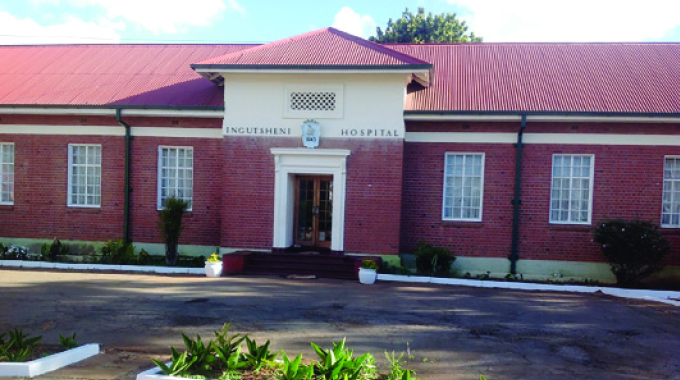
Yolanda Mlilo, Sunday News Reporter
IN a positive development amidst growing concerns over mental health issues fuelled by drug and substance abuse, Ingutsheni Central Hospital has reported a significant drop in cases from approximately 250 to between 130 and 150 patients per month.
This was revealed during a Mental Health Day commemoration event held last Thursday at the hospital where chief director, Dr Nemache Mawere highlighted the encouraging trend saying the initiatives that were being employed at all sectorial levels were bearing fruit.
Dr Mawere noted that 70-80 percent of patients admitted to Ingutsheni Hospital were victims of drug and substance abuse, but efforts in the community—including initiatives by the provincial medical director and city council — appear to be making a difference.
He, however, emphasised that societal pressures contribute significantly to mental health struggles as individuals face heightened expectations from peers and family members, especially those with access to better resources abroad.
“We are under pressure to perform well due to comparisons, social media influence, domestic violence and substance abuse, which remains a primary factor in mental health cases,” Dr Mawere said.

He said despite improvements in the supply of medicine compared to last year, the hospital continues to face challenges in acquiring acute drugs due to currency fluctuations.
Dr Mawere expressed concern over long-term patients, some of who have been housed in the facility for decades due to familial rejection stemming from ongoing problems saying there was a patient who was admitted to the hospital from 1952 and died last year.
He said some patients stayed at the hospital for more than 20 to 30 years.
He also addressed the crucial link between mental health and workplace conditions, advocating for supportive environments that prioritize employee well-being.
“Poor working conditions, job insecurity, low salaries and inadequate protective equipment contribute to worker vulnerability, adversely affecting their mental health and productivity,” he said.
“This affects workers at an individual, family and community level, their self-confidence drops, work is not enjoyable and their ability to perform to required standards is curtailed and this affects one’s family and society directly or indirectly.
“Due to these factors, workers will be absent from work for prolonged periods. However presentism is a worse off situation as workers will come to work but will not be productive,” he added.
He urged the Government, employers, and worker representatives to collaborate on policies aimed at mitigating mental health risks and fostering supportive workplace cultures where mental health is a priority.
To combat workplace stress, he encouraged individuals to practice stress management techniques, emphasising the importance of self-awareness and seeking help early.
He noted that reliance on alcohol and psychoactive substances as a coping mechanism often leads to a downward spiral in both physical and mental health.
Dr Mawere called on community members to reach out for help from friends, family or health workers.
He also proposed that Ingutsheni Central Hospital should develop a comprehensive mental health policy, akin to the HIV/Aids policy to enhance mental health support for all staff members and serve as a benchmark for other organizations nationwide.



 Online Reporter