daniel chigunwe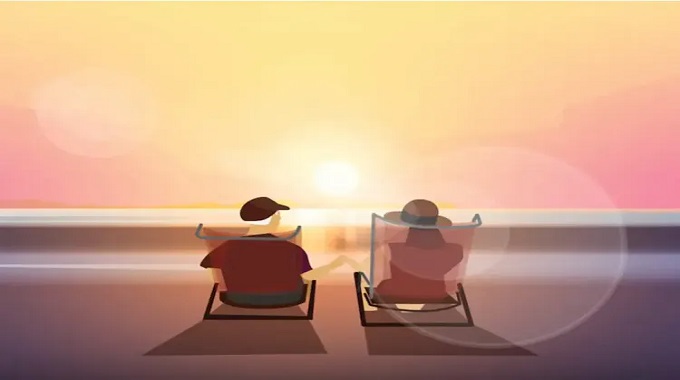
Following years of hard work, retiring brings you the well-earned rewards of freedom and time.
There are endless things you can do in this new life stage, from learning a skill to exploring unfamiliar places, making it a joyous period.
In fact, many of the world’s oldest celebrities are well over 90 years old and still going strong to this day!
However, deciding what to do with this new freedom can be difficult for some. The sudden expanse of time can be slightly overwhelming, but is not something you should be intimidated by.
It is important to embrace the excitement of this period and fill it with enriching activities of your choice. Whether you’re seeking thrills through and active retirement or relaxation, your retirement is the time when you get to decide.
Why it is important to keep busy when retired
While retirement is generally a happy time in life, there are risks you should be aware of. Leaving work sometimes causes people to become less active and social, which can negatively affect health.
Research from the Institute of Economic Affairs in 2013 found that pensioners face an increased likelihood of developing physical and mental ailments. This was partly due to ageing, but also because retired people are more likely to be lonely or inactive.
This means that staying busy and social as a retiree is vital to reduce the risk of any physical and mental illnesses. Keeping your body moving and maintaining relationships will help to protect your health and quality of life.
Read on to discover more about the importance of making your retirement a fulfilling time and to gain inspiration on hobbies you could take up.
Ideas for your retirement
1. Create a bucket list to provide a sense of purpose
The first thing you should do in your retirement is decide how you are going to spend it. Creating a retirement checklist or setting yourself goals and aspirations in the form of a bucket list will provide a structure, which may be lacking once you have stopped working.
2. Set yourself the challenge to do something new
Although relaxation is often a priority for pensioners, the way you spend your retirement is your choice and you should not be intimidated by the thought of a new challenge.
This year, 82-year-old Mildred Wilson completed her second Tough Mudder – a difficult and competitive race across a muddy obstacle course. Meanwhile, 2018 saw 106-year-old Jack Reynolds become the oldest person in the world to ride a zip wire.
Both stories show that, while everyone has their own limitations, ageing does not have to stop you from taking on new adventures.
3. Find a new retirement home
Retiring can be a big life change and reflecting this by moving to a new home is often sensible. Given that commuting to work is no longer a concern, retirees frequently downsize or move to retirement communities or villages where they can socialise with like-minded individuals and meet new people.
4. Redecorate your house
If you would like to stay in the area you live in, rather than moving, redecorating your home can be a fantastic alternative. From painting walls to upcycling furniture, refreshing your home can help you embrace your new life stage.
5. Travel or even move to a new part of the world
The planet is filled with interesting places and cultures, which you often do not get to see when working full-time. Whether you backpack around South America, cruise around the Caribbean or move to Europe, retirement is your chance to get out there and see the world!
6. Offer your time as a volunteer
Volunteering around your local area or for a cause you care about can be a highly rewarding activity at any point in life. Contributing your time can provide confidence and a sense of fulfilment while offering the opportunity to learn new skills.
7. Pass down your skills by mentoring a younger person
Years of life experience mean retirees often have wisdom and skills that many younger people could benefit from. Becoming a mentor to someone younger can be an enriching way to continue using your knowledge once retired.
8. Continue working with a part-time job
Although many people happily take their pension and leave their jobs, others continue working far past retirement age, often on a part-time basis. Some retirees do this due to satisfaction in their work, whilst others simply want a little extra cash to top up their pension.
It is common for companies to take retirees back on reduced working hours, so you could contact your employer about returning. However, you can also apply for part-time jobs in new industries if you would like a change.
9. Work full-time by starting your own business
Got an idea for a business that you have never had time to pursue? While being a more full-time retirement occupation, becoming an entrepreneur can be a fulfilling endeavour to dedicate your time to.
Building your own business can bring pride, as you see your idea grow and flourish. Further, being your own boss means that you’re less likely to lose that sense of retirement freedom.
10. Learn more about the area you live in
A great way to prevent loneliness is to deepen your connection to your community. Whether it’s getting to know the people you live close to or learning more about the history, you should explore your local area.
11. Protect your health by exercising every day
While exercise is important at all ages, staying active as you get older is key to maintaining your health, mobility, and mental wellbeing.
Common ailments amongst ageing people, such as arthritis and heart disease, can be improved by an active lifestyle.
You should include a mixture of types of exercise in your regime, with the aim of getting your heart rate up and keeping your muscles strong.
12. Practice mindful exercise with Tai Chi or Yoga
Low impact exercises like yoga and tai chi can also be incredibly beneficial for your mental and physical health. The focus on core strengthening in these exercises is wonderful for mobility and balance, while the centrality of concentration and tranquillity promotes mental wellbeing. — https://lottie.org/


 Online Reporter