Peter Tanyanyiwa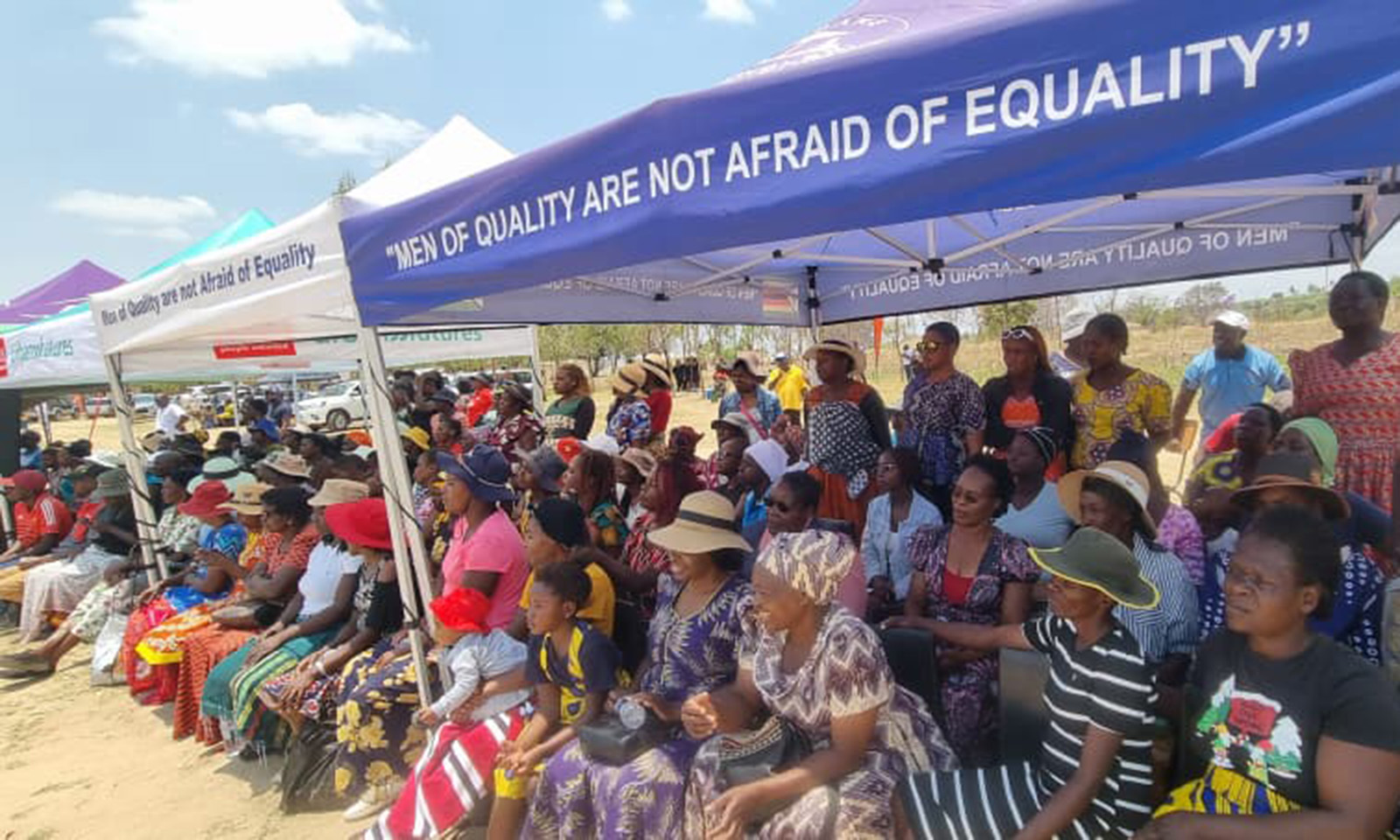
. . .champions rural women’s empowerment
Precious Manomano and Peter Tanyanyiwa
Herald Reporters
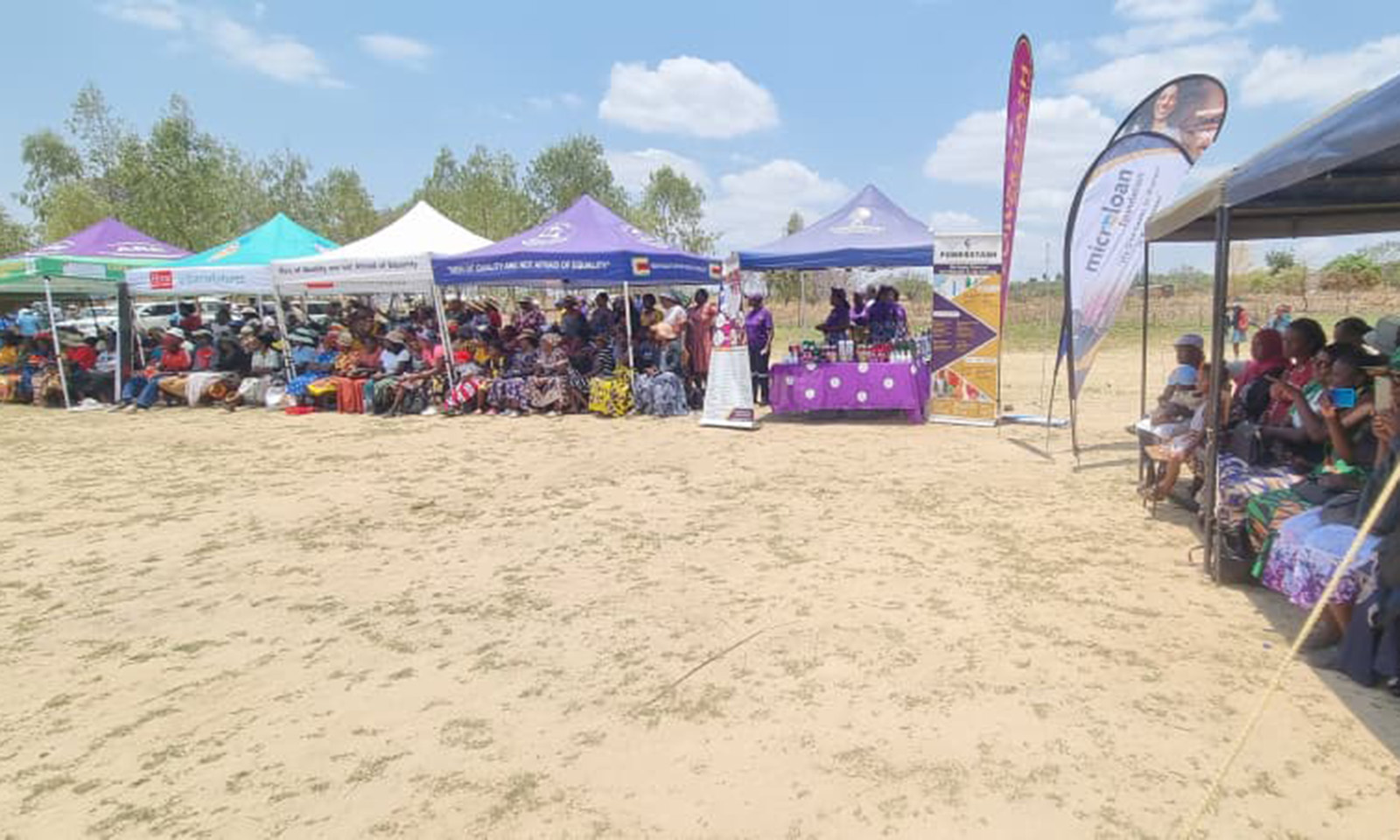
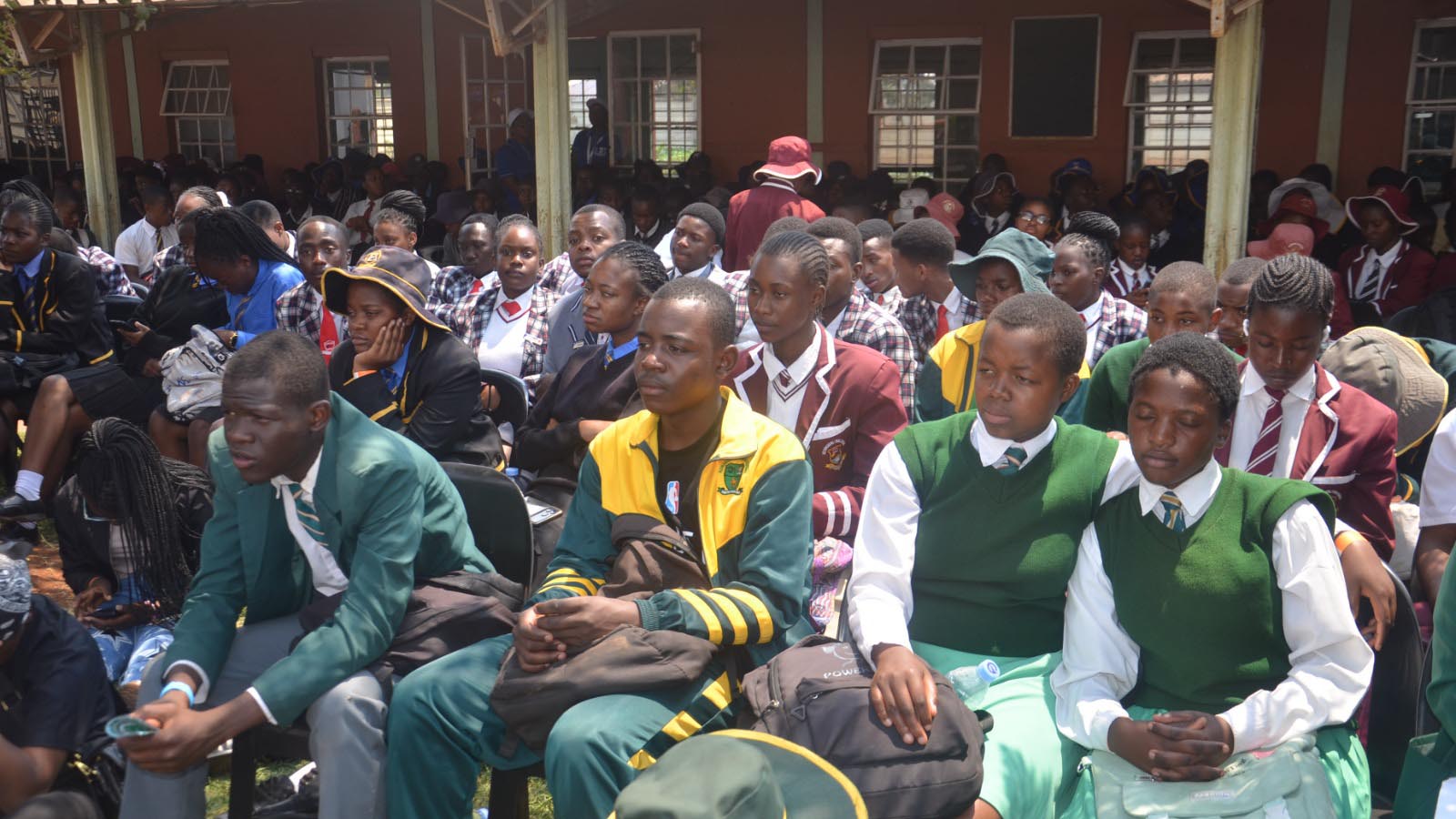
HUNDREDS of women, men and young people came together to mark belated commemorations of International Day of Rural Women on Monday.
The occasion, co-hosted by Padare/Enkundleni Men’s Forum on Gender, international development organisation Hivos, and the Ministry of Women’s Affairs, Community, Small to Medium Enterprise Development, was both a call to action in the fight against gender-based violence (GBV) and a celebration of rural women’s vital role in Zimbabwe’s progress.
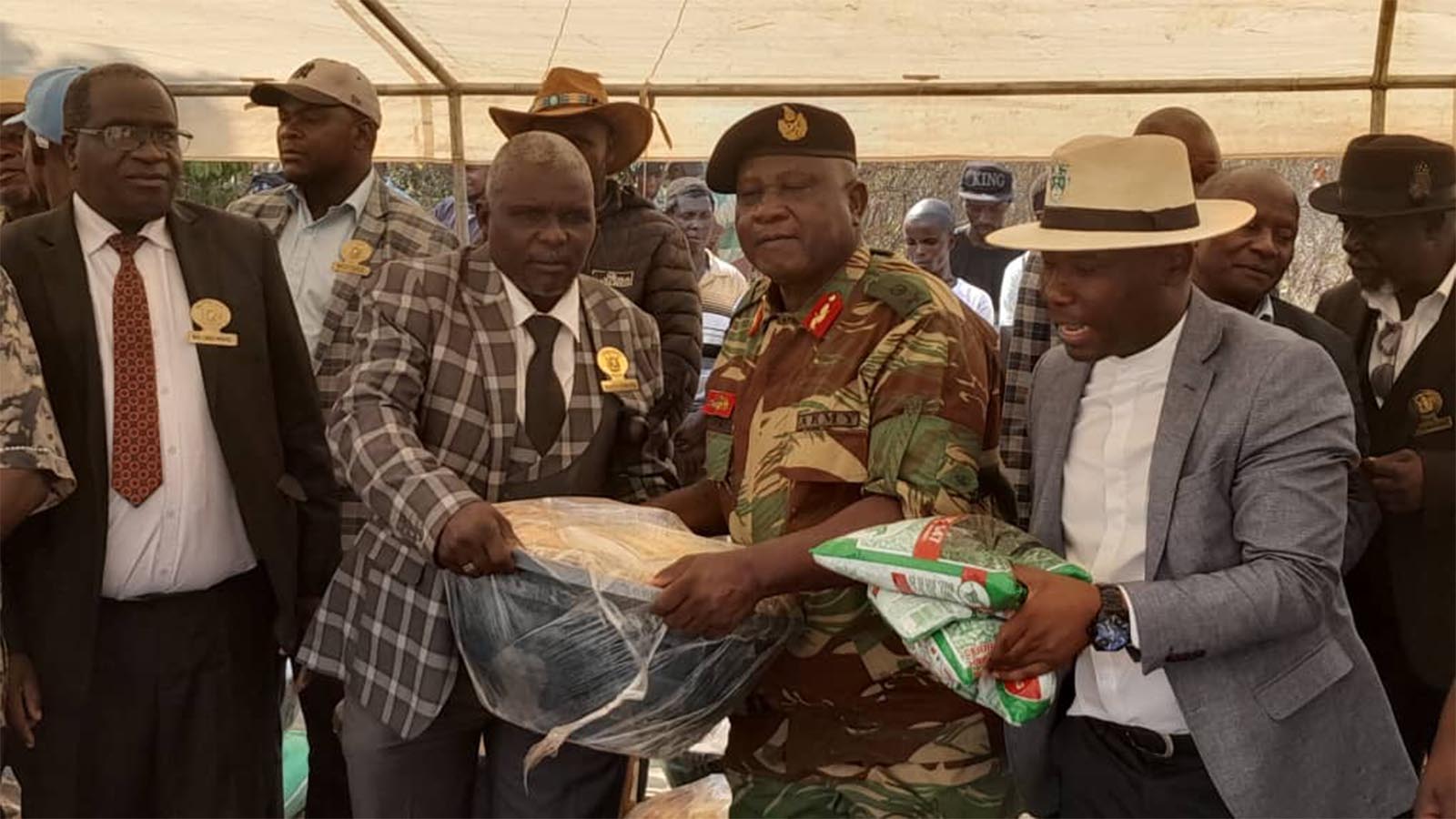
The event attracted Government officials, representatives from civic organisations, business leaders, and faith groups, turning the day into a significant platform for advocacy and partnership.
This year’s celebrations were held under the theme “Sustaining Nature for Our Collective Future”.
Goromonzi District Development Coordinator Prisca Dube said that empowering rural women is essential for both gender equality and broader societal advancement.
“Women in rural areas are the backbone of their communities. Their empowerment is vital for achieving not only gender equality but also broader societal progress,” she said.
“As we tackle climate change, we must also address the inequalities that persist in our communities. Protecting our environment and empowering women go hand in hand.”
Mrs Dube commended rural women for their adaptability and leadership in adopting climate-smart agricultural practices and forming self-help groups.
She said women need empowerment to ensure the development of the nation.
“Rural women are not just caregivers and providers; they are leaders, innovators, and agents of change,” she said.
“Their voices need to be heard in decision-making processes. When women lead, communities thrive.”
Zimbabwe continues to grapple with high rates of GBV, with recent data indicating that one in three women aged 15 to 49 has experienced physical violence, and one in four has suffered sexual violence since the age of 15.
Padare/Enkundleni Men’s Forum national director, Mr Walter Vengesai, highlighted the importance of recognising and appreciating the often-overlooked work rural women do for their families, communities, and the nation.
He also stressed the need to encourage men and boys to become active allies in the fight against GBV.
Mr Vengesai said women need to be recognised as they play critical roles.
“This was a very important day for us as an organisation that works with men and boys,” he said.
“The key issue was to recognise all the contributions that rural women make to their families, their communities, and the nation as a whole.
“The work that women do is often overlooked. If you look at unpaid care and domestic work, it’s hardly recognised, but it’s a lot of work.”
He said men and women need to work together to end gender-based violence.
“We gathered women together just to appreciate the work that women do, to boost their confidence and morale, so that they’re able to do more in terms of their contributions,” he said.
“We also want to encourage men and boys to be allies in this fight. The fight against gender-based violence is a communal effort that requires the involvement of all sectors of society.”
Mr Vengesai also noted that women’s empowerment is critical in ending gender-based violence.
“We had stakeholders from the finance sector that came and gave away nuggets to the women as to how best they can promote themselves, how best they can start businesses, and how best they can also access financing,” he said.
“We keep on promoting the idea that every person should be able to reach their full potential in the communities that they live in.”
Hivos projects officer Rumbidzayi Machimbirike urged both the Government and society to prioritise the needs and realities of rural women, and to invest in their political and socio-economic empowerment.
She highlighted the S(HE) Matters Project as a platform for women to share experiences, raise concerns, and advocate for support of women’s leadership at all levels.
She said it is important for Governments and society to pay attention to the needs and lived reality of rural women and to also invest in their political and socio-economic empowerment.
“The S(HE) Matters Project has therefore today given us a platform for women to share their experiences and concerns while also raising awareness to the broader public about the importance of supporting women’s leadership in all spheres of society.”
The partnership between Padare/Enkundleni and Hivos underscored the impact of collaboration in driving social change.
Hivos, an international NGO active in Southern Africa, supports civil society organisations in advancing gender equality, climate justice, and inclusive development.
Attendees received health education on breast and cervical cancer, high blood pressure, and prostate cancer, conditions that disproportionately affect rural women.
They also received information on early screening, HPV vaccination, and healthy lifestyles, with medical practitioners available to answer questions and dispel misconceptions.
Financial empowerment was another key focus, as financial sector representatives offered practical advice on entrepreneurship, accessing loans, and participating in community savings groups.


 Online Reporter