Online Reporter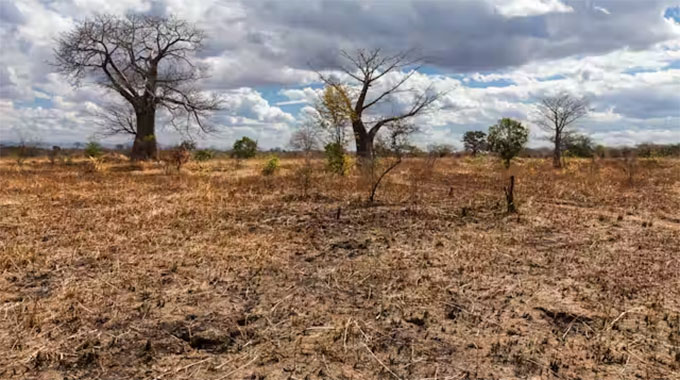
Preparations for a potentially drier 2026/27 farming season should serve as a reminder that the country cannot continue to leave food production at the mercy of rainfall.
The forecast of a drier season due to the El Niño phenomenon is particularly concerning because a large proportion of our agriculture remains rain-fed, leaving smallholder farmers highly exposed to delayed rainfall, prolonged dry spells and uneven seasonal distribution.
A poor season would not only threaten household food security but could also push up food prices, increase dependence on imports and worsen pressure on already vulnerable rural households.
Against this background, the Government’s decision to, as reported by our sister paper Sunday News yesterday, expand the Pfumvudza/Intwasa climate-smart agriculture programme to one million hectares from 718 000 hectares last year is encouraging.
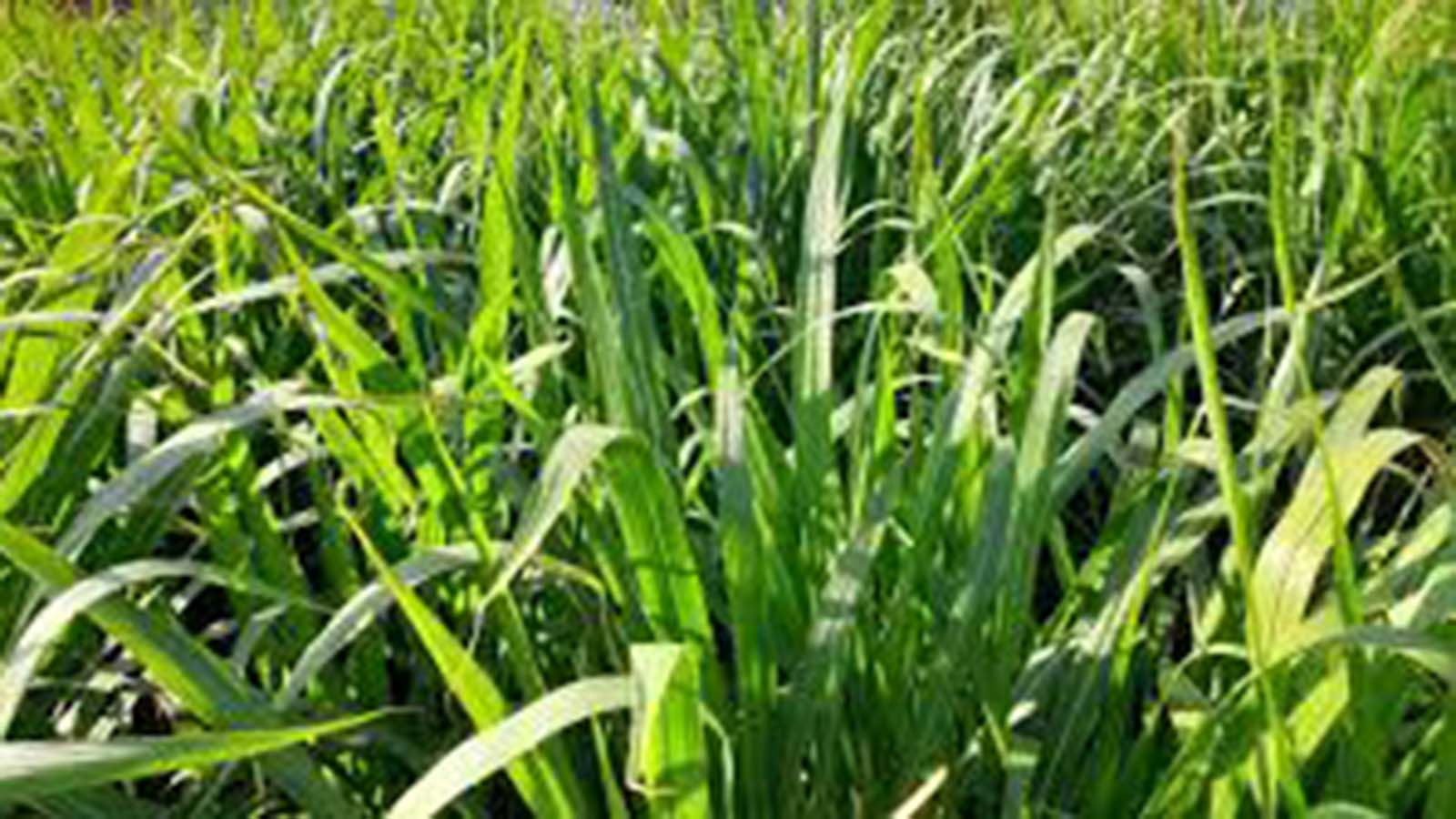
The programme’s emphasis on small, well-prepared plots, moisture conservation, timely planting, mulching and the use of locally appropriate seed varieties offers farmers a practical way of making the most of the limited rainfall that the country is likely to receive.
Agriculture Ministry Permanent Secretary Professor Obert Jiri aptly described Pfumvudza as “a climate-proofing agenda”.
That is an important description because the objective should not simply be to increase the area planted, but to improve the amount of food harvested from every drop of available water.
Increasing coverage by about 282 000 hectares could therefore make a meaningful contribution to national food production if, as they often do, farmers receive the necessary inputs, extension support and technical guidance.
The requirement for households to establish at least three plots could further spread the benefits of moisture-conserving agriculture.
However, Pfumvudza/Intwasa should not be treated as a substitute for investment in irrigation. Conservation agriculture can reduce the impact of dry spells, but it cannot manufacture rainfall.
We need to accelerate investment in irrigation dams, canals, boreholes, water-harvesting infrastructure and efficient irrigation technologies. Expanding irrigation will allow farmers to produce beyond the constraints of the rainy season, improve yields and provide greater certainty for both smallholder and commercial agriculture.
The country’s long-term food-security strategy must therefore combine climate-smart dryland farming with a determined expansion of irrigated agriculture.
There is also a strong case for making water conservation and irrigation investment a central component of agricultural planning rather than an emergency response after drought has already damaged crops.
The Government’s call for farmers to prepare Pfumvudza plots now, gather mulch and ensure that fields are ready before the rains arrive is equally important.
Early preparation could enable farmers to plant promptly when sufficient moisture becomes available, giving crops a better chance of escaping the most damaging dry spells.
But preparation must extend beyond individual farmers. Government, financial institutions, development agencies and the private sector should invest in irrigation and water infrastructure, affordable agricultural finance, climate information and improved seed varieties.