Online Reporter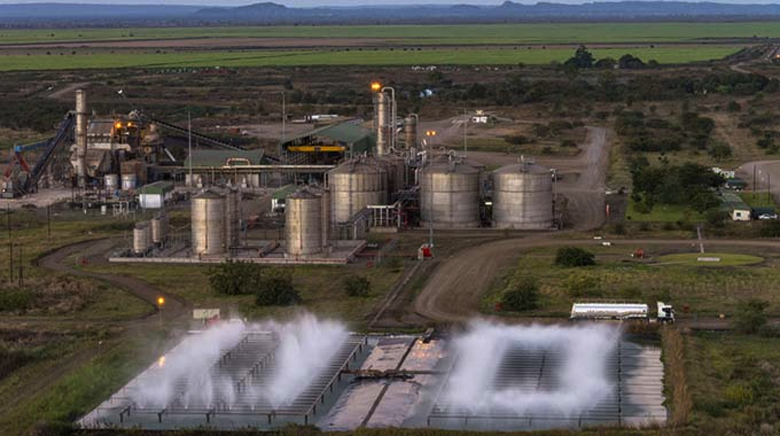
Lovemore Kadzura
Post Reporter
THE favourable investment climate in Zimbabwe has led to significant economic progress in Manicaland, characterised by the establishment of new companies, expansion of existing ones, and creation of employment opportunities.
The first quarter of 2025 has seen notable economic activity, with substantial investments made in agriculture, manufacturing, and mining, while the Rural Industrialisation Agenda continues to gain momentum, with companies being set up in rural areas to add value to locally available raw materials, promoting local economic growth and development.
Data recently released by the Zimbabwe Statistical Agency, companies such as Willowton Group, Song Yuan, GreenFuel, and Dorowa Minerals are driving new investments in Manicaland.
The agency’s Manicaland provincial manager, Mr Langton Chikeya said the companies aim to expand their product portfolios, enhance efficiency, and increase capacity utilisation.
“The Willowton Group’s US$6 million margarine manufacturing plant is now complete and awaits commissioning. The current capacity utilisation stands at 75 percent. The company expects to employ an additional 25 workers.
Song Yuan Pvt Ltd is investing US$10 million to produce pine resin from pine trees. Earthworks have been conducted, and the process is ongoing.
“GreenFuel in Chipinge is investing US$10 million in various projects, including a US$1 million cattle feed plant, US$6 million new distillation column, and US$3 million storage tanks. The stock feed plant will produce 150 metric tonnes per day, while the company currently produces 700 000 litres of ethanol daily.
“Dorowa Minerals is investing US$3 million, with cyclones and ball mill imported from South Africa now in place. However, completion of the plant is being delayed due to funding constraints. The company expects to add 50 more employees after the project’s completion. Exports of magnetite are expected to increase from the current 2 000 metric tonnes to 8 000 metric tonnes,” said Mr Chikeya.
He added that companies in the province, such as Rosewood Mahemu, Wattle Company, and Cashel Valley, are setting up processing plants to add value to products like macadamia nuts, timber and agricultural products.
“This will ensure that these products are processed before leaving the province, thereby increasing value along the supply chain. Rosewood Mahemu Company in Chipinge is setting up a US$16 million macadamia processing plant.
Civil works and cladding have been completed, and the company is working on floors and procuring equipment.
However, it is experiencing funding challenges, and is seeking US$8,2 million to complete the project. The company expects to employ 400 workers.”
“The Nyanga Pine Plywood factory, established by Wattle Company at a cost of US$600 000, is now complete. The factory has the capacity to produce 30 000 sheets per month, although it is currently producing 10 000 sheets. At full capacity, the project is expected to create 300 jobs. Cashel Valley (Cairns) in Mutare has completed a US$30 000 upgrade of its jam processing plant, including the installation of a new filling and packaging machine. The company employs 193 workers.
“Tanganda Tea Company has invested US$400 000 in upgrading its beverage line, and the project is now complete. The Gemology Centre in Mutare is approximately 90 percent complete, with phase 1B yet to commence,” said Mr Chikeya.
The Ministry of Industry and Commerce Provincial Director, Mr Kapukani Masunungure said the investments made by companies have contributed to an increase in capacity utilisation, which rose from 53 percent in the first quarter to the current 55 percent.
The target for 2025 is 60 percent.
Mr Masunungure said the manufacturing sector is the primary contributor to the province’s Gross Domestic Product (GDP), while sectors such as agriculture, mining, food, and drink also play crucial roles.
“The manufacturing sector has been recording gains in capacity utilisation, as evidenced by the increase in domestically produced goods on supermarket shelves, which now account for 80 percent. The target for capacity utilisation in 2025 is 60 percent. The major contributing sub-sectors include timber and timber products, food, drink, and tobacco, as well as metals and mineral products. Capacity utilisation has increased from approximately 53 percent in the first quarter to around 55 percent currently. The manufacturing sector’s contribution to the GDP is targeted to reach 15 percent. In 2024, the manufacturing sector contributed 10,6 percent to the national GDP, a slight decrease from 10,8 percent in 2023.
“This year, Mega Market is investing US$1,5 million in a two megawatt solar plant for its milling plant. Additionally, the company is investing in a new US$1 million noodle manufacturing plant to further add value to the flour produced at its plant. From Farm to Table, a company promoting the Rural Industrialisation agenda, is setting up a US$60 000 maize milling plant, which is 92 percent complete, and a US$300 000 beef and goat processing abattoir in Headlands, currently around 40 percent complete,” said Mr Masunungure.