Online Reporter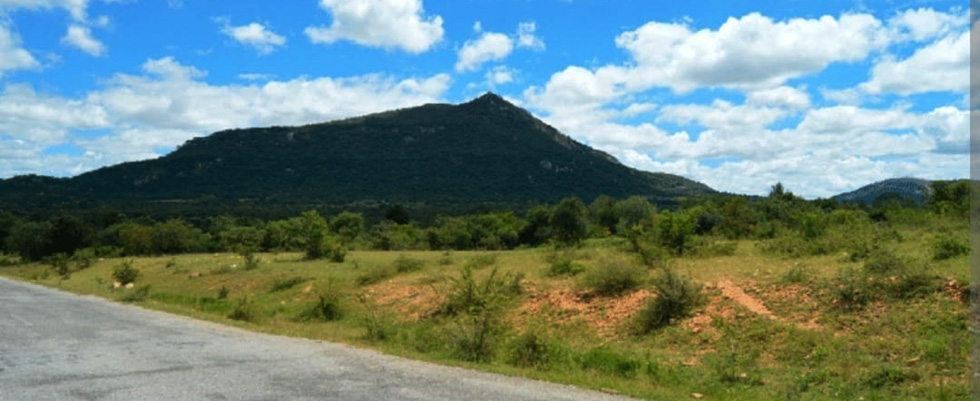
Liberty Dube
Tourism Correspondent
FAR from the well-trodden trails of Nyanga and the dramatic granite domes of Chimanimani, lies a secret world tucked within Zimbabwe’s Eastern Highlands — a world, few outsiders have seen, and fewer still have truly explored.
Welcome to Manicaland!
And more specifically, to Mutare District, where the mountains do not scream for attention, but rather whisper their names through mist, wind, and folklore.
These include, Gandai, Sheni, Dangamvura, Chiremba, Madanga, Shuara, Nyarurwe, Rowa, Tsuri, Chito and Ndoroman.
Beyond the cultural riches lies an ecological wonderland.
These mountains are home to a unique blend of Eastern Highlands biodiversity rare cycads, ferns, aromatic mountain herbs, and countless bird species.
Names like Tsuri, Sheni, Chito, and Ndoroman are unfamiliar to the travel brochures, yet they are etched deep in the hearts of local communities.
They are mountains cloaked in cloud forest and mystery, towering quietly above the valleys like watchful ancestors.
The mountains of Manicaland are more than just geological wonders, but repositories of memory, spirituality, and untamed beauty.
Each peak, each range, is known by a name that holds a story.
Dangare, for instance, is a mountain said to be a silent witness to ancient tribal migrations.
It is a beautiful site with which by prominence, seats on number six out of 366 in the Eastern Highlands at 1?
755 metres high.
There is Gandayi, which looms protectively over a region of deep valleys and sacred groves.
Its smaller siblings, Gandayi Hills, ripple like waves frozen in time, hiding rare orchids, medicinal plants, and calls of shy antelope in the under-brush.
It has an elevation of 1 284 metres.
To hike it is, not to simply walk, but to travel through myth and terrain in equal measure.
Unlike the manicured trails of better-known mountains, these hidden gems offer rugged and raw adventure.
Climbing Tsuri Mountain offers one an unforgettable experience.
The landscape changes with every turn dense, dew-drenched thicket give way to sun-splashed ridges, while lichen-covered granite boulders rise like sculpted monuments from the earth.
Then there is Maninga, a mountain cradled in a lush bowl of indigenous shrubs and speckled with vibrant wild-flowers in spring.
The scent of flowering Msasa trees dances on the wind, and the silence is occasionally broken by the haunting call of a trumpeter hornbill.
If a visitor dares venture to Mwenji or Nyachakanga, be ready to feel the world fall away beneath your feet. These peaks offer expansive views.
Manicaland’s mountains are alive, not just with flora and fauna, but with ancestral spirit and community legacy.
On Chiremba and Chemakuti, local elders still speak of ceremonies performed to ask for rain or good harvests.
Some peaks, such as Ntanda or Madanga, are revered as sacred places where one should tread with both respect and humility.
Guided by locals, you might discover hidden waterfalls, ancient rock art, or even mysterious stone circles believed to be centuries old.
On Shuara or Nyarurwe, you might witness spiritual rituals still quietly practiced today, moments of profound connection between people and the land.
Mandambiri is a haven for wild lovers of nature, rich in mosses and moisture-loving plants, its high-altitude environment mimics a cloud forest, especially during the rainy season.
Ndoroman, in contrast, offers drier trails lined with craggy rocks and panoramic views which are ideal for photography, reflection, or meditation above the world.
The mountains are just raw Zimbabwean nature, undisturbed, and a call to those who want to travel with intention.
Local guides from villages surrounding the Dangamvura mountains and Wangura range are ready to share their knowledge of trails, traditions, wildlife and stories to visitors thereby promoting community-based tourism.