Online Reporter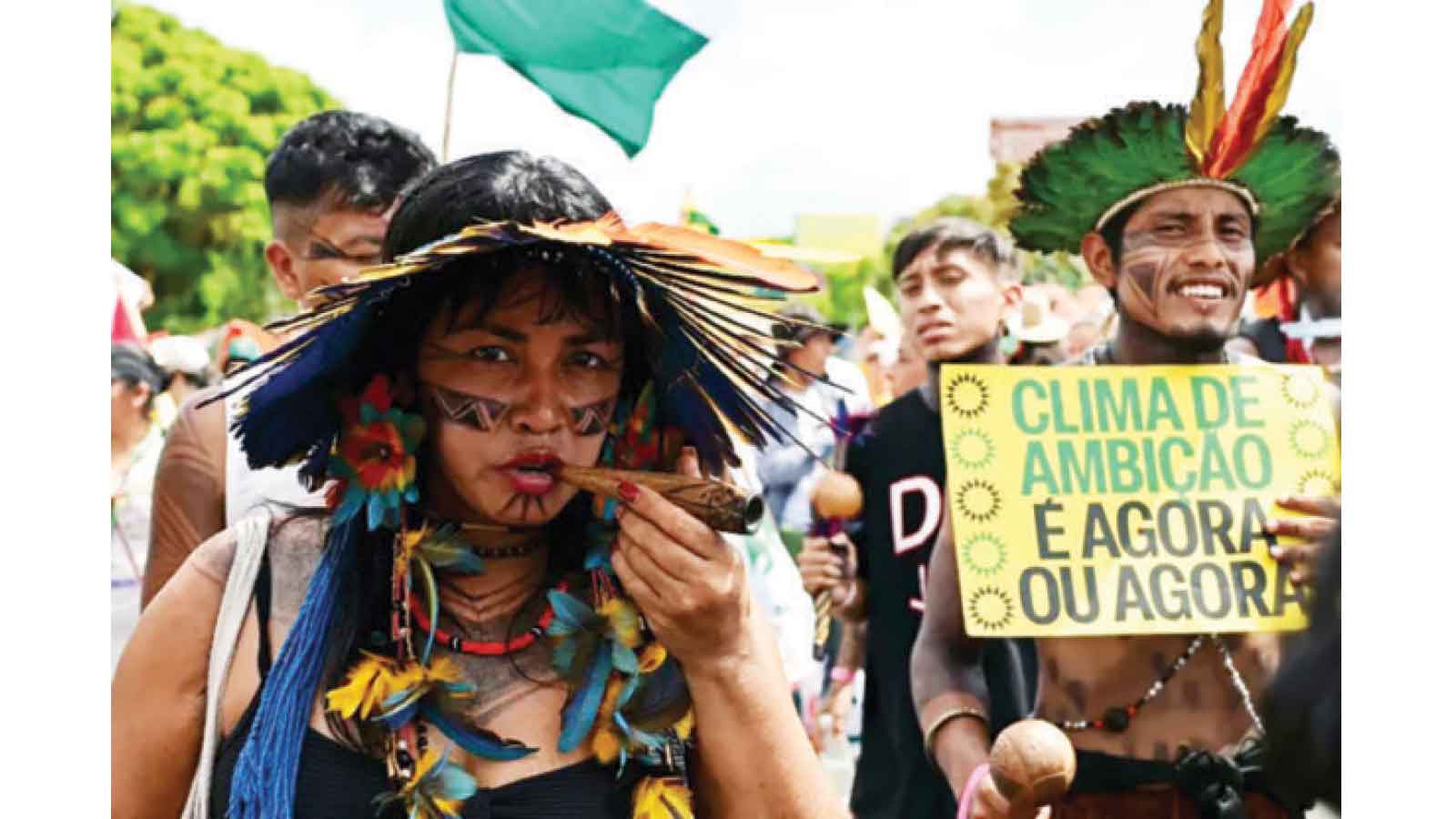
Belém, Brazil. – The International Organisation for Migration (IOM) has called on global leaders to protect the rights and dignity of those living on the frontlines of the climate crisis, including migrants and displaced persons, Indigenous Peoples, and traditional and local communities.
Floods, heatwaves, droughts and storms are forcing millions from their homes every year. Most never cross a border; they remain internally displaced yet uprooted all the same.
But experts warn that in the not-so-distant future, entire nations could disappear beneath rising seas or become uninhabitable through drought.
At COP30 in Belém, Brazil, IOM is pressing negotiators to make climate mobility a core part of adaptation plans.
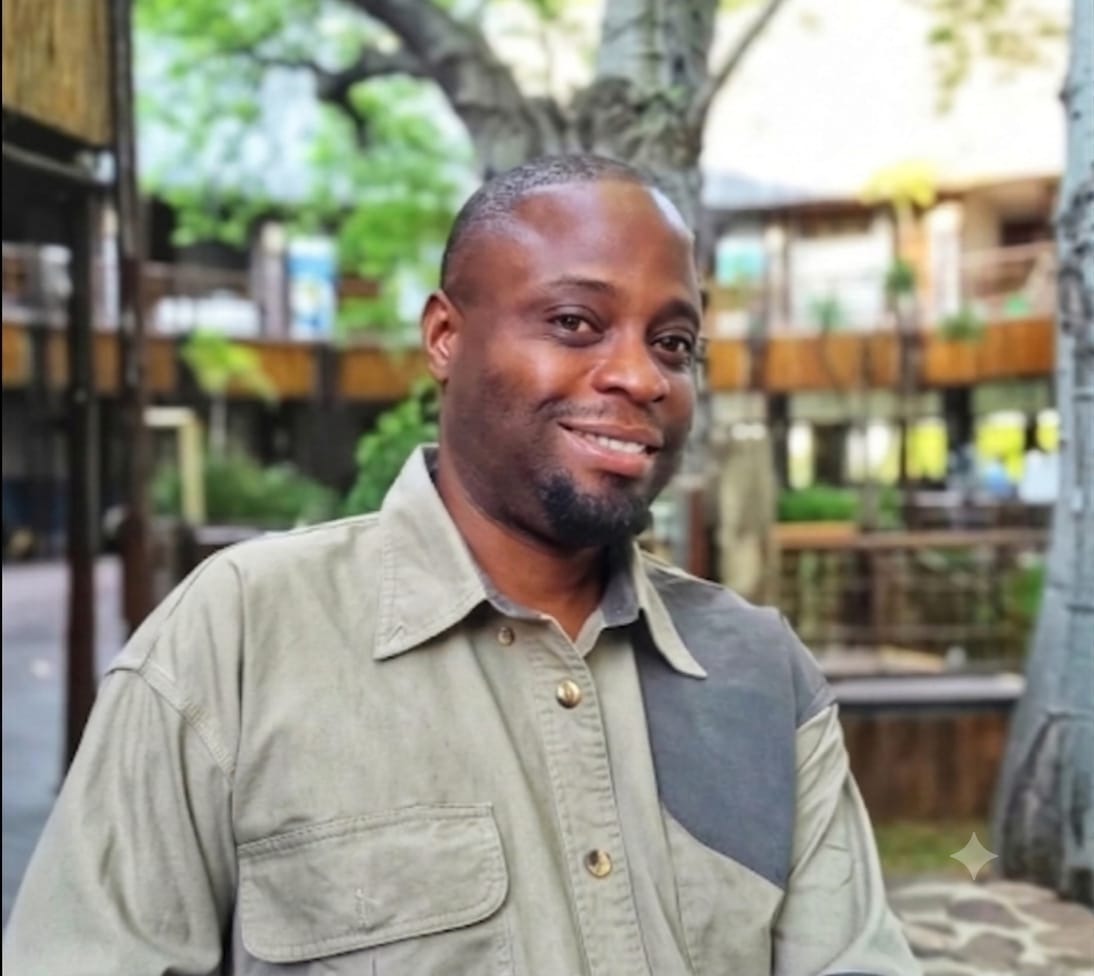
Ugochi Daniels, IOM’s deputy director general, on Saturday said, “early warning systems, resilience services and livelihoods in the high-risk areas are vital to support the right to stay.”
Daniels said many of those who have been displaced, “when you ask them what they want and what solutions mean for them, it’s about being able to go home. But the homes that they know, the livelihoods that they had. Have been impacted by climate. So, it’s about building their resilience.”
Daniels expressed hope that COP30 will be a turning point especially in national adaptation plans and financing for loss and damage.
“There’s a lot that has been said about climate finance and this finance getting to local communities, Indigenous people, and migrants. But we want to go beyond saying it. We want to go beyond recognizing it has to be implementing.”
Climate policies, the IOM official said, “need to have human mobility front and centre,” adding that COP30 could be a “great opportunity” to bring these issues into negotiations and outcomes.
Meanwhile, thousands of people marched through the streets of Belem on Saturday, calling for the voices of indigenous peoples and environmental defenders to be heard at the United Nations COP30 climate summit.
Indigenous community members mixed with activists at the march, which unfolded in a festive atmosphere as participants carried a giant beach ball representing the Earth and a Brazilian flag emblazoned with the words “Protected Amazon”.
It was the first major protest outside the conference, which began earlier this week in Belem, bringing together world leaders, activists and experts in a push to tackle the worsening climate crisis.
Indigenous activists previously stormed the summit, disrupting the proceedings as they demanded that Brazilian President Luiz Inacio Lula da Silva take concrete action to ensure their territories are protected from growing threats.
Amnesty International warned in a recent report that billions of people around the world are threatened by the expansion of fossil fuel projects, such as oil-and-gas pipelines and coal mines.
Indigenous communities, in particular, sit on the front lines of much of this development, the rights group said.
Branded the “Great People’s March” by organisers, Saturday’s rally in Belem came at the halfway point of contentious COP30 negotiations.
“Today we are witnessing a massacre as our forest is being destroyed,” said Benedito Huni Kuin, a 50-year-old member of the Huni Kuin Indigenous group from western Brazil. — africanews/Al Jazeera