Online Reporter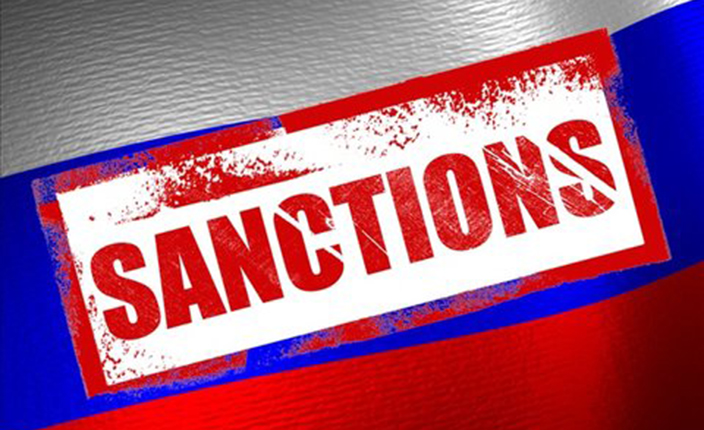
Indirect negotiations between the Islamic Republic of Iran and the United States of America concerning Iran’s nuclear program and the unjust sanctions imposed on the Iranian nation was held on Tuesday of this week at the Embassy of Oman in Geneva. In this round, there were quite serious discussions compared to the previous round, and there was a more constructive atmosphere.
Iran’s decision to re-examine a return to the diplomatic track with Washington has been made within the framework of broader regional efforts aimed at de-escalation. This decision followed contacts and consultations by several regional countries with President Pezeshkian, during which these actors emphasized dialogue as the sole viable path for managing disputes. These regional engagements played a decisive role in shaping Tehran’s reassessment of the diplomatic option.
Iran’s entry into the diplomatic process is strictly confined to the nuclear issue. Tehran agreed to engage only after receiving a clear message from the opposing side that the nuclear file would be the sole subject of negotiations. Iran’s participation is therefore result-oriented and aimed at safeguarding its legitimate nuclear rights while simultaneously seeking the removal of unjust sanctions. From Iran’s perspective, diplomacy is not an end in itself but a tool to achieve tangible outcomes for the nation.
The Iranian negotiating team fully understands the importance of time. There is no doubt regarding the seriousness and professionalism of Iran’s delegation in pursuing the legitimate rights of the Iranian people. The Islamic Republic of Iran has demonstrated a high level of commitment to the talks. On numerous occasions, Dr. Abbas Araghchi, the Iranian Minister of Foreign Affairs, has conveyed to the other side Iran’s readiness to remain at the negotiating table for extended periods, should that be necessary to reach an agreement.
However, contradictory behavior and statements by U.S. officials constitute one of the principal obstacles to the formation of a successful diplomatic process. In this context, it is essential to clarify how inconsistent positions taken by American officials, their disregard for the time factor, prolonged interruptions in negotiations, and acts of sabotage by U.S. war-mongering elements and circles affiliated with the Israeli regime disrupt any diplomatic trajectory. The persistent shifting of U.S. positions, contradictory rhetoric, and even the limited presence of American representatives, sometimes for only a few hours, are interpreted by Iran as clear indicators of a lack of seriousness and an unprofessional approach to diplomacy on the part of Washington.
Iran nevertheless continues to view negotiations as the primary instrument for managing tensions and advancing its national interests. In recent interviews, Dr. Araghchi has emphasized that Iran prefers diplomacy and is prepared for genuine negotiations with the United States, provided that the other side demonstrates seriousness and delivers tangible outcomes. He has reiterated that Iran favors diplomacy over war and that negotiations must proceed without threats or pressure. Regional and missile-related issues are categorically excluded from this diplomatic process. Iran set two explicit conditions for participation in the talks, both of which were accepted by the United States: first, recognition of the principle of enrichment; and second, that negotiations be strictly limited to the nuclear issue. Should either of these conditions be challenged during the talks, the Islamic Republic of Iran will terminate the diplomatic process.
As an aggressor and a violator of international law, the United States cannot credibly claim to champion diplomacy and peace. Iran’s participation in negotiations, while aimed at achieving results in the shortest possible time, also seeks to neutralize psychological warfare and media narratives that portray Iran as inflexible or unwilling to pursue a diplomatic solution. Public distrust toward the United States within Iran has increased markedly following the attack by the Israeli regime. According to the findings of an independent survey conducted by the GAMAAN institute in September 2025, approximately 75 to 80 percent of Iranian respondents consider the United States an unreliable negotiating partner, while only 20 to 25 percent support direct negotiations with Washington. This sentiment has also been reflected in field interviews and reports by both domestic and international media, underscoring widespread skepticism regarding U.S. intentions.
Iran analyzes violent developments stemming from economic protests separately from civil processes, viewing them instead within the framework of a quasi–foreign coup model. At various junctures, the United States has relied on informal networks, the incitement of violence, and the exploitation of genuine social grievances to divert protest movements from economic demands toward security confrontation. Such experiences, dating back to the 1953 coup, have repeatedly been employed as a last-resort option by Washington. This historical pattern has directly influenced Iran’s assessment of U.S. intentions in the diplomatic sphere.
Europe’s role in the diplomatic process has effectively been marginalized. Despite Germany, United Kingdom, and France being principal signatories to the JCPOA, none of these countries have established direct contact with Iran’s foreign minister or president in recent weeks. This situation has led Iran to view these three European states more as obstacles than as effective mediators. Consequently, Tehran has shifted its focus from extra-regional mediation toward regional actors that perceive Iran’s stability as intrinsically linked to their own security. The unprecedented regional consensus following the recent unrest of January 2026, that structural destabilization of Iran would harm the entire region, has demonstrated that regional actors, including countries such as Oman, possess stronger and more sustainable incentives to manage crises diplomatically and prevent instability.
Western media coverage from the outset has indicated that the new round of talks is fragile in both narrative and political terms. While most regional actors are pressing for diplomatic progress, media reports have disproportionately focused on procedural details such as the venue of negotiations. This trend has persisted even after Dr. Araghchi expressed gratitude to Turkey, Oman, and other regional countries and reaffirmed Tehran’s flexibility regarding the hosting of future rounds.
Ultimately, the lifting of unjust sanctions remains the primary objective of any diplomatic process related to Iran’s nuclear issue. It must be emphasized that the core purpose of any potential agreement is to generate tangible benefits for the nation and the country. No additional issues are to be incorporated into these negotiations, and the measure of success will be defined solely by concrete outcomes for the Iranian people.