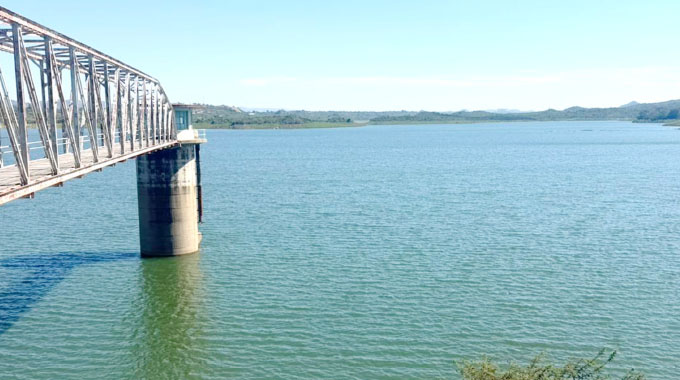
The Government’s decision to identify more than 100 dams for accelerated irrigation development marks another significant step in the country’s long-term strategy to transform agriculture from a rainfall-dependent sector into a climate-resilient engine of economic growth.
For decades, agriculture has remained vulnerable to increasingly erratic rainfall patterns. Recurring droughts have repeatedly undermined crop production, threatened household incomes and forced the country to spend scarce foreign currency importing grain. Climate change has made these challenges even more pronounced, making irrigation an economic necessity.
Government’s target of expanding irrigated land to 496 000 hectares by 2030 is therefore strategically important.
The progress already achieved deserves recognition. Land under irrigation has increased from 171 000 hectares in 2020 to more than 258 000 hectares this year, representing one of the fastest rates of irrigation expansion since
Independence. Identifying more than 100 dams capable of supporting an additional 113 000 hectares demonstrates that planning is increasingly becoming more systematic, with water infrastructure being viewed as a catalyst for rural economic transformation rather than simply a source of water storage.
The benefits extend far beyond crop production.
Reliable irrigation allows farmers to produce throughout the year instead of relying on a single rainy season. It enables higher-value crops such as vegetables, fruits and seed crops to be cultivated consistently, generating higher incomes for farming households. Greater production also supports agro-processing industries, creates employment opportunities and stimulates business activity in rural communities through transport, input supply and marketing services.
At household level, irrigation strengthens food security by ensuring families have stable food supplies even during drought years. Communities with reliable irrigation are generally less vulnerable to climate shocks and require less emergency food assistance. This allows Government resources to be redirected from disaster response towards productive investment.
Equally encouraging is Government’s focus on improving governance within existing irrigation schemes.
Infrastructure alone does not guarantee success. Registering irrigation schemes as commercial entities and strengthening management through professional oversight should improve accountability, maintenance and productivity, ensuring public investments generate sustainable returns.
The emphasis on encouraging farmers in drier regions to grow traditional grains instead of unsuitable maize also reflects a more practical appreciation of Zimbabwe’s diverse agro-ecological conditions. Matching crops to climate while expanding irrigation where feasible is a sensible combination of adaptation strategies.
Significant work remains. Developing the remaining hectares required to reach the 2030 target will demand substantial investment and effective project implementation.
However, the direction is clear.
Every productive dam becomes an economic hub capable of supporting farming, agro-industries and rural livelihoods.
If we maintain this momentum, irrigation development could become one of the country’s most important investments in national food security, climate resilience and inclusive economic growth for generations to come.