admin
admin
Jerry Chifamba
The cat-and-mouse games between commuter omnibus operators and traffic enforcement officers, which have hitherto been all fun and games, appear to have taken a turn for the worst and are threatening to spiral out of control.
Things came to a head on September 24 when a Harare traffic officer was struck by a commuter omnibus attempting to evade arrest, leaving her in a critical condition at Parirenyatwa Hospital.
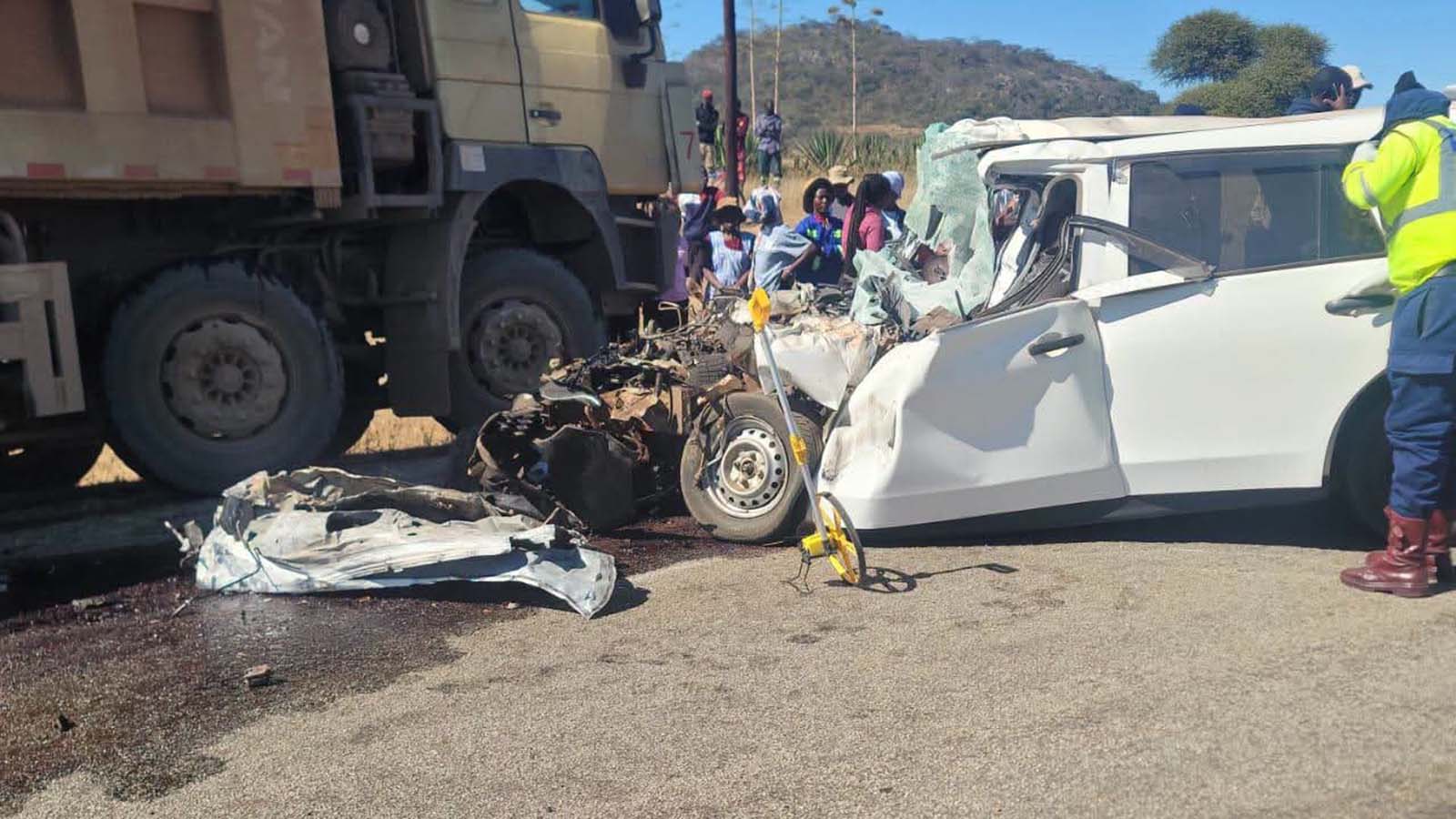
The next day, a kombi fleeing police officers collided with another vehicle along Mbuya Nehanda Street in Harare’s central business district, resulting in one woman losing her life while over twelve people sustained serious injuries.
These incidents underscore a stark reality: the commuter omnibus transport system in Harare is spiralling out of control, posing danger to public safety.
The crisis is deeply rooted in systemic issues within the public transport sector. Drivers frequently load passengers at undesignated points to maximise profits, ignoring the rules that govern public transport operations.
This practice not only endangers passengers but also exacerbates traffic congestion and creates a volatile environment for both drivers and pedestrians.
The need for swift and decisive action has never been more pressing.
To address this escalating issue, the Harare City Council and the Zimbabwe Republic Police must adopt a multi-faceted approach that prioritises safety, regulation, and community engagement.
First and foremost, the authorities must enhance the enforcement of existing regulations governing passenger transport.
This includes conducting regular inspections and imposing stricter penalties on commuter omnibus drivers who violate laws.
A zero-tolerance policy for reckless driving and evasion of law enforcement should be established, sending a clear message that safety comes first.
Moreover, the city must establish more designated loading and unloading zones that are easily accessible and convenient for passengers.
By providing safe spaces for commuter omnibuses to operate, the authorities can minimise the temptation for drivers to break the law and reduce the hazards associated with roadside loading.
Improved infrastructure will not only facilitate safer transport but also enhance the overall efficiency of the public transport system.
Additionally, public awareness campaigns are essential. The authorities should engage the community, educating both drivers and passengers on the importance of adhering to traffic regulations and the potential consequences of reckless behaviour.
By fostering a culture of accountability and cooperation, we can empower citizens to take an active role in ensuring their own safety and that of others.
Finally, the Harare City Council must collaborate with commuter omnibus operators to establish a more organised and regulated transport sector.
Dialogue with drivers, operators, and stakeholders can lead to innovative solutions that maintain the viability of public transport while prioritizing safety for all road users.
The tragic events of September 24 and 25 are not isolated incidents but rather symptoms of a larger problem that demands immediate attention.
The time for complacency has passed; it is time for Harare to take bold steps to reform its commuter omnibus transport system.
Only through rigorous enforcement, infrastructural improvements, community engagement, and collaboration with transport operators can we hope to restore order on our streets and ensure the safety of all citizens.
The lives lost and affected by these reckless pursuits must catalyse change, reminding us that public safety must always take precedence over profit.


 Online Reporter