

 Online Reporter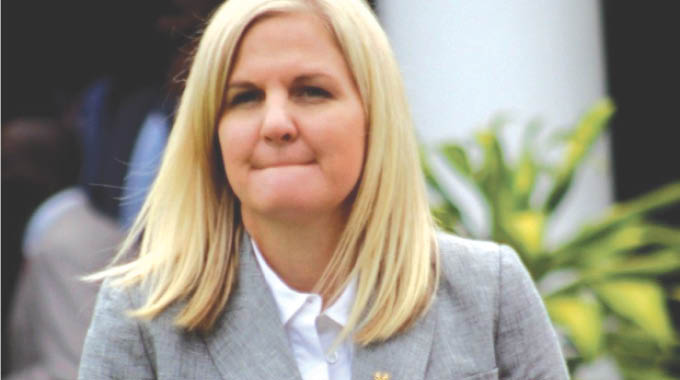
GUIDED by the spirit of “it takes a village”, Zimbabwe’s Kirsty Coventry is poised to assume the presidency of the International Olympic Committee (IOC) this month, succeeding Thomas Bach. Her leadership marks a historic moment, as she becomes the first woman and the first African to hold the position. Coventry aims to transform sport into a measurable force for global development, with US$200 million backing initiatives worldwide.
From June 3–5, Lausanne, Switzerland, hosted a landmark international gathering focused on harnessing sport as a tool for social transformation. The inaugural Olympism365 Summit: Sport for a Better World reaffirmed the IOC’s commitment to the United Nations’ Sustainable Development Goals (SDGs), while also signalling a new chapter in Olympic leadership.
On June 23, Coventry — an Olympic gold medallist and former Zimbabwean Minister of Sport — will officially take the helm of the IOC. Her appointment not only breaks new ground in terms of gender and regional representation, but also ushers in a leadership style rooted in collaboration and inclusivity.
In her closing remarks at the summit, the 41-year-old former swimmer delivered a message that resonated with over 300 delegates representing around 100 organisations: “It takes a village.” With this African proverb, Coventry underscored the collective ethos of today’s Olympic Movement, which seeks to extend its impact far beyond elite sport and into communities across the globe.
“This forum has shown us that we are stronger together. We’ve spoken about resilience, adaptability and mutual support — these are the very elements that define sport. That’s why we live it and breathe it. This is just the beginning of a growing village, one we will continue to expand from this shared platform,” she said.
The Olympism365 Summit was more than symbolic — it marked a strategic pivot. A total of 68 organisations committed to 45 targeted initiatives aimed at leveraging sport to advance the SDGs. The IOC estimates that these efforts will mobilise over US$200 million over the next four years, with projects addressing health, education, gender equality, social inclusion, sustainability and peace-building.
In 2000, Nelson Mandela famously declared, “Sport has the power to change the world.” More than two decades later, the full potential of sport as a development tool remains largely untapped. Olympism365 seeks to change that by offering a clear, measurable, and cross-cutting framework that aligns sport with the world’s most pressing social challenges.
Outgoing IOC President Thomas Bach, struck an optimistic tone in his farewell address.
“This power of sport is no longer an abstract theory… it is now recognised as a tangible force for changing lives. Olympism365 is not just a concept. It’s a living, breathing initiative already making a difference on the ground,” he said.
He also emphasised the collective nature of the progress made:
“We are doing this with all of you — together with our many partners in the UN family, development institutions and civil society — we are tackling 11 of the SDGs simultaneously: from peace to health, from social inclusion to gender equality and sustainability.”
Under Bach’s leadership, the IOC has undergone a significant transformation. From the implementation of Olympic Agenda 2020 to the integration of the SDGs into the Olympic Movement’s operational strategy, the German-born leader has sought to leave a legacy that extends far beyond the sporting arena.
“This Summit is not just about reflecting on the past. It is about shaping the future. What we’ve built together is just the beginning. Now is the time to take these efforts to new heights,” he concluded.
Coventry’s succession also represents a cultural shift within the IOC. As a woman, an African, and a former athlete from swimming — a sport historically under-represented in Olympic leadership — she brings a fresh perspective grounded in diversity and equity. Her dual experience as both an elite competitor and a public servant gives her a uniquely holistic view of sport as a tool for policy and social change, particularly in complex contexts like her native Zimbabwe.
This year’s Olympism365 Summit came at a pivotal moment. One year earlier, Paris hosted the Sport for Sustainable Development Summit ahead of the 2024 Olympic Games. As the city prepares to welcome thousands of athletes and millions of spectators, the IOC is focusing on building systems where sports infrastructure also serves as educational centres, health hubs and engines of economic growth.
— insidethegames.com / Sports Reporter


