Online Reporter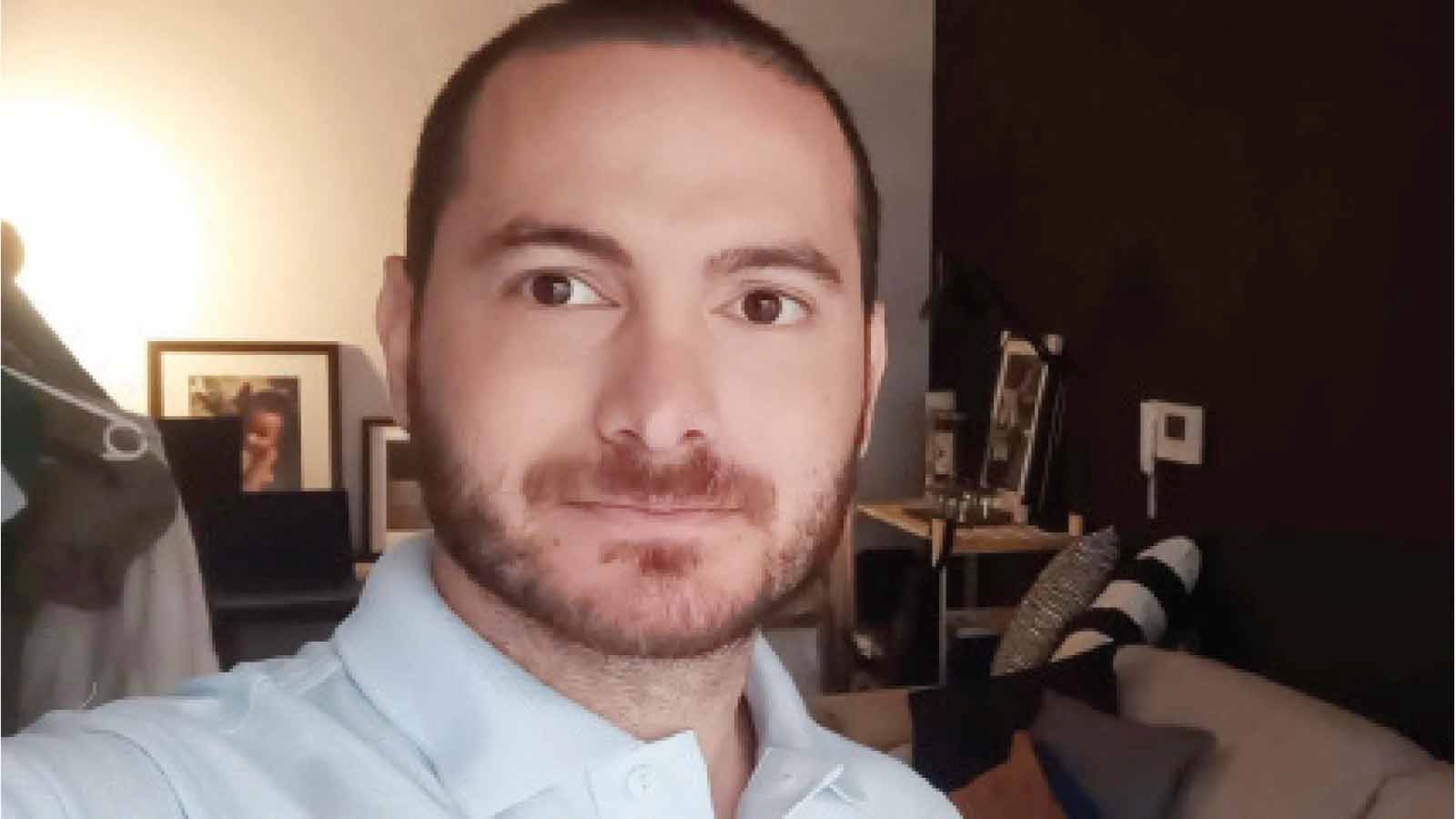
LONDON.—Kyle Gordy does not drink alcohol or smoke, takes 30 supplements a day, eats only organic food and drinks nothing but filtered water.
“Everything I do is to maximise my fertility,” he says.
The 35-year-old American, who currently lives in Ireland, is an online sperm donor who says he has fathered “dozens” of children all over the world, including three in Scotland.
As well as being a donor himself, Gordy runs several Facebook groups, some of which have more than 40,000 members worldwide – and he also has a website for meeting potential recipients called ‘Be Pregnant Now’.
Selling sperm for profit is illegal in the UK but the number of men offering to provide their services via unregulated online platforms is increasing.It only takes a few clicks to find a Facebook page which says something like: ‘Sperm Donors UK — Get Your BABYDUST Here!’
However, such arrangements can come at a cost, with many women reporting being coerced into sex acts or harassed by men they have contacted through social media sites.
Why is there a market for sperm donors?
Fertility treatment, or IVF, using a sperm donor is possible for some women on the NHS but there are limited rounds, lengthy waiting lists and a shortage of donors.
For instance, the average wait time for beginning the IVF process in NHS Tayside is almost two years because of the limited supply of donors.
Private clinics, regulated by the Human Fertilisation and Embryology Authority (HFEA), also offer treatment but they are expensive, with the average cost of a round of IVF reaching more than £10,000.
Former SNP MP Hannah Bardell is campaigning for more access to fertility treatment.
She says she was “completely taken aback” when she was told women who are part of a couple can get three rounds of IVF on the NHS but single women are not entitled to any.
She argues this is one of the factors driving single women towards using online sperm donors.
Kyle Gordy insists he choses to donate directly to women because it is more personal than a “cold and clinical” regulated clinic.
“You don’t know who’s getting it,” he says of donating sperm via the official route.
For him, another motivation is the chance to be actively involved in the lives of some of his children.e says: “I feel [clinics] are not great because there’s no contact until they are 18, and that doesn’t seem right because kids get curious and might want to contact you.
“I believe I have a moral obligation to keep in contact with the mothers and children that want to.”However, another online sperm donor, based in Scotland, told the BBC he was concerned about women putting themselves in vulnerable positions due to their “desperation”.
James, who did not want us to use his real name, says the private donor environment encourages a “very dangerous situation”.
“I think the majority of donors want to donate for the wrong reasons,” he says.
“Many want sex and I have heard a lot of times women saying that they agree to artificial insemination but are then forced into natural insemination on the day.”James describes himself as an “ethical donor” —one who wants to help women give birth without any conditions attached. —BBC