

 admin
admin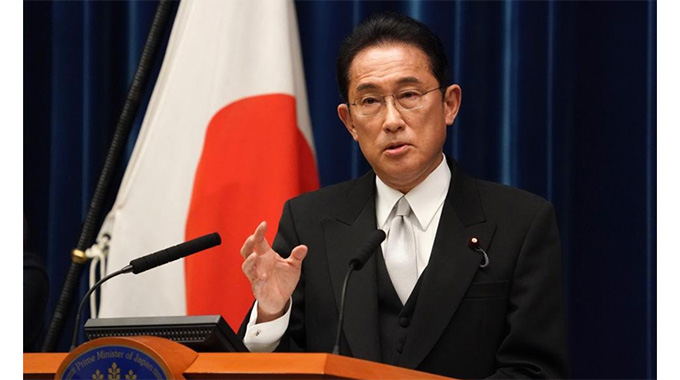
TOKYO. – Japan’s economy continues to sputter and is expected to have shrunk for the fifth quarter in two years as Prime Minister Fumio Kishida puts the finishing touches on a stimulus package aimed at shoring up the recovery.
Economists estimate gross domestic product contracted an annualized 0,7 percent in the three months to September, dragged down by private consumption as the country battled a Covid resurgence and global supply-chain constraints that hit production at automakers Toyota and Honda.
After the data’s release on Monday, Kishida is expected to unveil his stimulus measures at the end of the week. A bigger-than-expected contraction could inflate their size.
The economic package will give the clearest indication yet of how aggressively the premier aims to bump up growth over the short run and realise a fairer form of capitalism over the longer term.
Economists had long expected the wave of infections that occurred around the time of the Tokyo Olympics to weigh on the economy’s performance over the summer as emergency restrictions were extended through September.
Japan’s recovery has been weaker than all other Group of Seven countries and is expected to stay that way through next year, according to the International Monetary Fund.
Still, the consensus view of an overall contraction stems from recent figures showing that, outside the peak of the pandemic, factory production slumped in the summer quarter by the largest margin since the 2011 tsunami. That shows the impact of supply-chain constraints and chip shortages that prompted Toyota to cut output by around 40 percent in September.
“There was the big negative impact of the state of emergency, as well as a large decline in car-related production,” said economist Harumi Taguchi at IHS Markit.
An underwhelming performance will set the backdrop for the stimulus package expected on Nov. 19. Surveyed economists expect it to be around 30 trillion yen ($260 billion) in size though much of it could be recycled cash from previous stimulus.
Among the key measures expected are handouts of around $880 for those 18 years old and under, a pay increase for caregivers, and bigger tax incentives for companies that raise pay. Domestic travel subsidies that briefly revived the hospitality sector last year are also likely to be relaunched despite lingering concerns over their potential to spread Covid.
Kishida hopes his measures will also encourage stronger wages that spread the benefits of growth to a wider segment of the population, while nudging firms to take a longer-term perspective.
Economists expect the stimulus package to be helpful, but not a game changer that transforms Japan’s capitalist model.
“If you look at the suggestions of Kishida’s new capitalism panel, apart from the wage hike efforts, it’s really just a rehashing of past policies dating back to the previous Suga administration and earlier,” said economist Takashi Miwa at Nomura Securities Co. – Bloomberg


 Online Reporter
 dyton mupawaenda