Online Reporter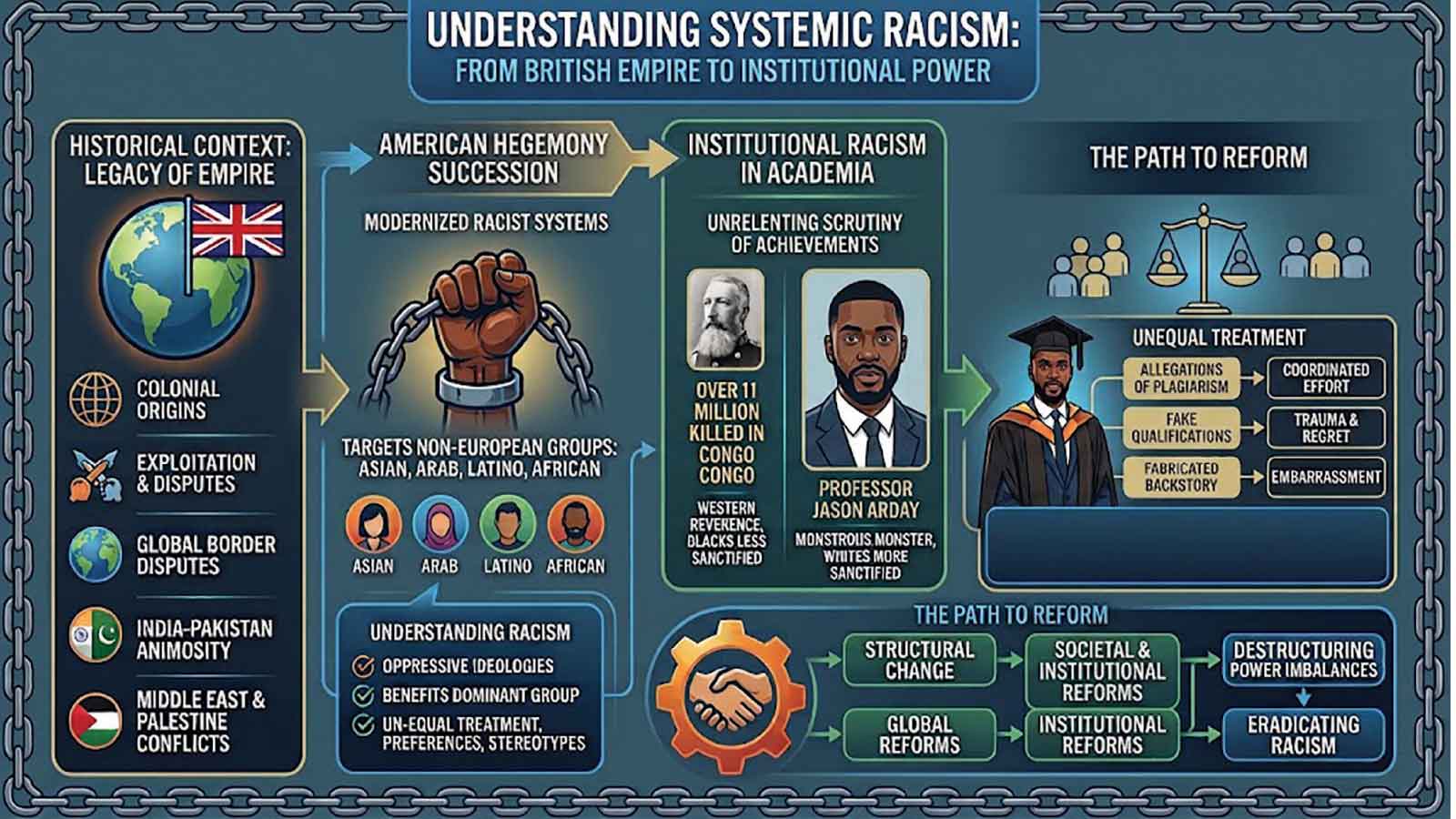
Gibson Nyikadzino
Zimpapers Politics Hub
America’s economics Professor Jeffrey Sachs has on many occasions convincingly said that most problems being faced in the world today can be traced back to the days of the British Empire.
He arrived at that position after carefully analysing the situation in the Middle East and Palestine, the perennial animosity between India and Pakistan, the global border disputes and the imperial legacy it left anchored on racism, exploitation and colonialism.
It should be stated that before the days of the British Empire the world had its challenges. However, when the British became a world superpower, its imposed rule multiplied world problems as its rule was modelled around and along racist systems that only gave priority to those of English extraction.
At the collapse of empire, the American hegemony succeeded and also perfected some aspects that anchored British rule in “modernised” ways. Those who have been victims of such “modernity” have been non-European groups of Asian, Arab, Latino and African extraction. Such groups have been affected because that is how racism works. It oppresses those who are not from the core or centre of development. It exposes the “vulnerabilities” of those in the semi-periphery and the periphery because it punishes them despite their successes.
Such is what the world has seen when the institutionalised power of racism dehumanised, objectified and led to the death of Jason Arday, the youngest-ever black professor of sociology of education at the 800 years of Britain’s Cambridge University last Friday. Essentially, his death was a coordinated effort that targeted him after allegations that he had plagiarised his academic work. Weeks of scrutiny and accusations of plagiarism, fake qualifications, and a fabricated backstory highlights everything wrong about the unrelenting and unforgiving power of racism at institutional level.
Understanding racism
Racism can be understood as the oppressive ideologies that are deployed to sustain dominant cultural beliefs that create hierarchies that are used to benefit one group at the subordination of the other.
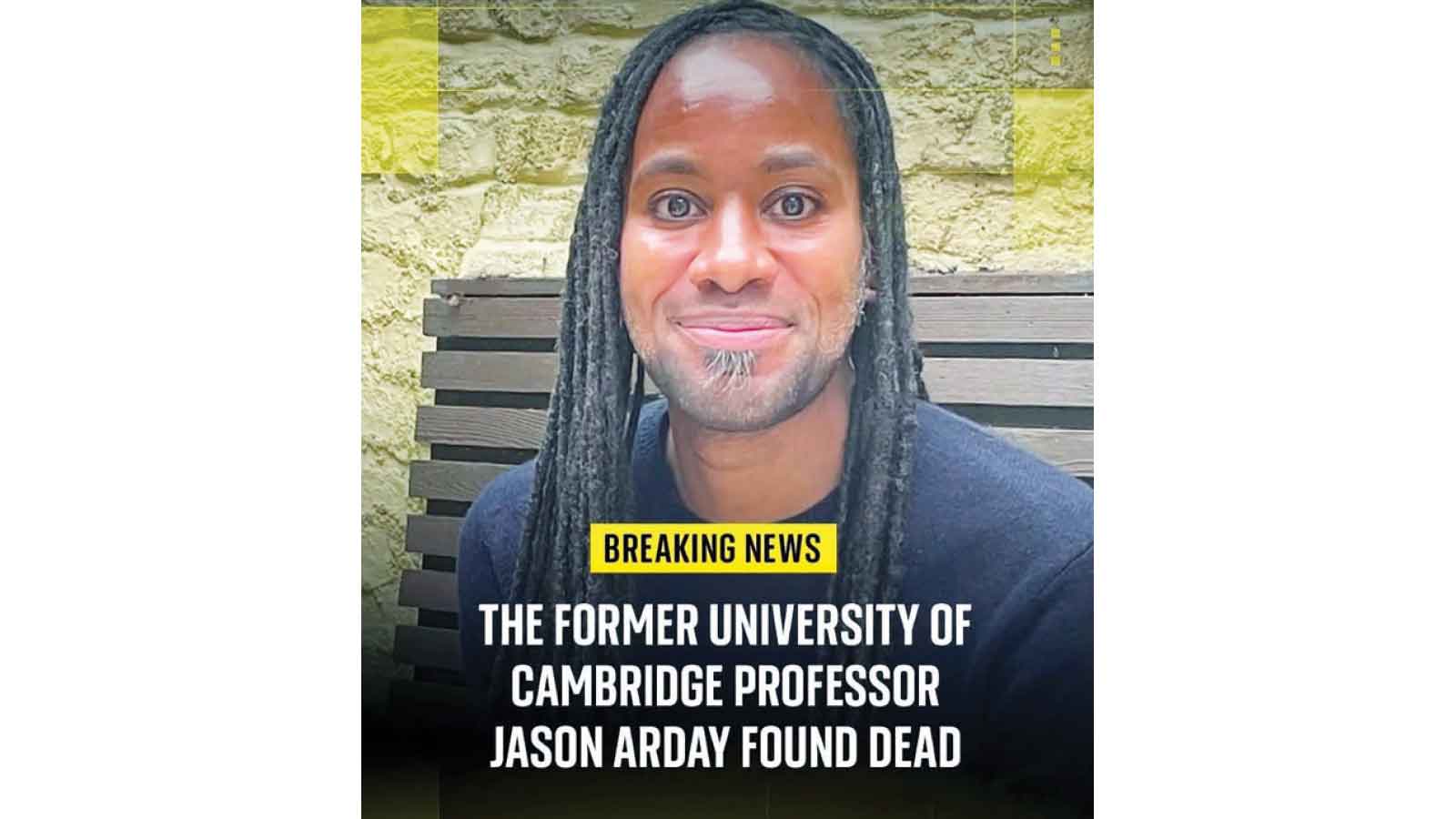
Under a racist establishment, the scrutiny of those who do not “belong” is so immense that given a chance, they should not attempt to want to make themselves part of the systems governed through arenas of exclusion.
Also, racism thrives on the unequal treatment of various group, prefers one group over another and formulates stereotypes that are systematically used to discriminate people due to biases. Thus, racism has its existence sustained on the intersectionalities of oppression to dispossess one or two undeserving races from materialities they want, to give those to another class or race, in particular that which benefits from the system.
The same goes with the story of Jason Arday. In a world that is changing, the nature of racism is also shifting from an overt position to a more covert playout. His misfortune is a characterisation of what one has to go through when they get in a zone they do not “belong”. The price for that is to break the will of black people through an engineered effort to inflict trauma, stimulate regret, embarrass and create persistent stress.
Media narratives against blacks
Western media has told the world that King Leopold II of Belgian, who killed over 11 million Congolese during colonialism, is a preferred saint to a monstrous Adolf Hitler who is reported to have killed six million Jews.
In the West, King Leopold II is revered more than Hitler because the people he killed were black, while Jews are more sanctified because of their skin tone.
This is how global corporate media operate. It has been managed so much to not give everything to audiences, for instance, about child-sex-offender Jeffrey Epstein. The same media has not given full details on, for example, United States’ President Donald Trump’s role in the Epstein saga.
To western media, when a white professional or academic errs, the misstep is frequently treated as an isolated individual error. The punishment that has been incurred by blacks like Arday, musician Robert Kelly, the embarrassment imposed on the late Michael Jackson and comedian Bill Cosby, reflect racism’s ubiquity and power.
It is obviously foolish to think that the demise of Arday was not an outcome of systemic racism. Nathan Cofnas, a former Cambridge researcher who wrote about Arday’s work having evidence of plagiarism, has impolitely been described as a “professional racist”. For racists, anyone who achieves something remarkable has to be questioned and scrutinised to establish how he or she moved from the “not belonging” zone, to another one of “belonging”.
With racism as an established system that applies punishments and rewards selectively, always speaks loud with coordinated campaigns against blacks to make their fall spectacular, while whites receive institutional grace and second chances.
You cannot appease racism
There has been for a long time a belief that when you are a black-American or black-Briton you automatically get the rights of being. Literature and history show that you can be black-American without being American, or one can be a black-Briton without be English.
There is need for systematic global, societal and institutional reforms to drive structural change opposes to nurturing biases against particular groups.
Existing power imbalances have been used to inflict pain and humiliate the marginalised groups of society, without showing the needful intent to eradicate racism.
For long, the politically conscious and socially enlightened have never turned a blind eye to the idea that racism is a global killer of aspirations by black people and their emancipatory freedoms. The stain of racism in the world is real and it pursues and primarily questions non-whites.
When racism directly targets blacks, it also gets encapsulated as Afrophobia. Though blacks can have their successes celebrated, the Arday case reveals that their works can be subjected to racist intents.
To black people, the understanding of racism must be beyond the concept itself, but seen as extending to institutionalised mechanisms that reflect the marginalisation, discrimination and exploitation of blacks with the ultimate goal being their pauperisation or social elimination.