Chronicle Editor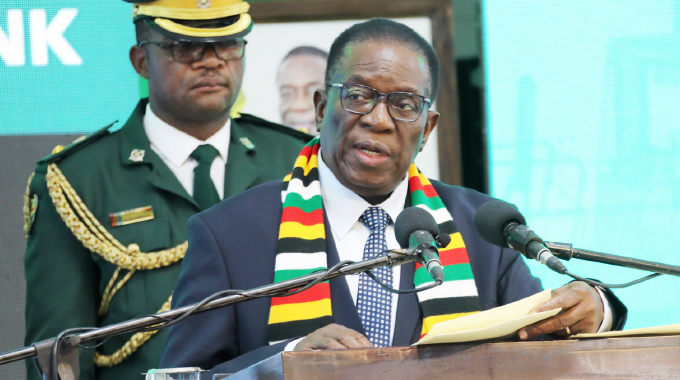
Marshall Ndlela, [email protected]
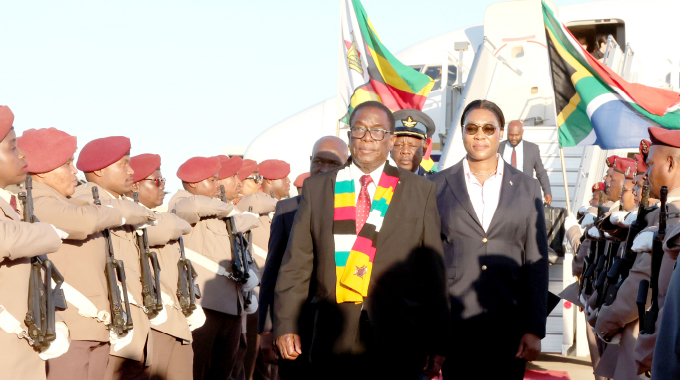
ZIMBABWE stands as a formidable testament of resilience, particularly under the leadership of President Mnangagwa.
Despite the challenges posed by long-standing US sanctions, the country has not only survived but is successfully finding ways to thrive, setting a precedence for other nations grappling with similar injustices.
The story of Zimbabwe begins with a long struggle for emancipation from colonial rule, culminating in independence on April 18, 1980. The journey was marred by turbulence, including forced land grabs that denied indigenous Zimbabweans their rightful heritage. The Lancaster House Agreement laid the groundwork for equitable land redistribution to marginalised blacks, yet political manoeuvring led to a betrayal of these commitments, sparking a wave of discontentment.
The Government initiated the Land Reform Programme in 2000 aimed at rectifying historical injustices.
However, it was met with fierce opposition, spearheaded by Western powers. This opposition was not only political but strategic; it included funding dissenting voices to maintain control over valuable land resources while obstructing the nation’s quest for self-determination.
Historically, significant areas such as Matobo and Great Zimbabwe were gravely affected by colonisation. These weren’t just pieces of land, they held spiritual and cultural significance for the indigenous people.

Sadly, forced relocations pushed native populations into less fertile areas, resulting in a distortion of the natural landscape and a disconnection from their heritage.
The US sanctions, enacted under the Zimbabwe Democracy and Economic Recovery Act (Zidera), have further exacerbated this struggle. They primarily target ordinary Zimbabweans, not the leadership, as falsely claimed, placing a heavy burden on the poor and disenfranchised. The sanctions have led to significant agricultural losses and an exodus of skilled professionals to countries such as Australia and South Africa. This migration drained Zimbabwe of critical expertise, crippling its agricultural sector.

These unjust sanctions are akin to a war waged on the people, reminiscent of contemporary conflicts faced by vulnerable populations elsewhere such as Palestinians.
Many perceive Zidera as a blatant violation of human rights and a weapon of mass economic impoverishment, designed to destabilise the nation and instigate regime change.
However, despite these daunting challenges, the leadership has invigorated the Zimbabwean economy, a feat underscored by visible infrastructure development—massive airports, improved roadways and enhanced public works, which are just a few indicators of progress.
The country’s Gross Domestic Product (GDP) has shown resilience, thanks to President Mnangagwa’s strategic policies.
A pivotal aspect of this advancement is the “Look East” policy, which has fortuitously aligned Zimbabwe with China, Russia and India as crucial economic partners. These relationships not only provide much-needed lines of credit but also diminish the impact of Western sanctions. In a recent visit to China during the Forum on China-Africa Co-operation (Focac), President Mnangagwa emphasised the importance of rural economies, recognising them as the backbone of any successful economic revolution.
The introduction of the Zimbabwe Gold (ZiG), a gold backed currency, signals a new economic direction, yet it requires further valuation adjustments to stabilise and ensure its viability.
Nonetheless, investing in rural economies offers a robust avenue to combat sanctions through the import substitution strategy. By utilising indigenous labour to produce goods that were previously imported—such as stationery, toys and fruit juices—Zimbabwe has the potential to create self-sustaining markets.
Encouraging the diaspora to return with skills unhindered by sanctions will also be vital. Zimbabwe’s skilled labour must collaborate to innovate in ways that align with the new economic realities and cultivate local resources effectively.
The Zimbabwean diaspora is a crucial but under utilised resource in addressing the impacts of US and EU imposed economic sanctions.
These individuals possess valuable insights into global markets and access to international financial networks, allowing them to attract investments and facilitate trade.
Additionally, diasporans can contribute to skills transfer, enhancing local industries through mentorship and professional development. Their collective voice can also advocate against unjust sanctions, mobilising global support and shifting public narratives.
By harnessing the potential of its diaspora, Zimbabwe can navigate economic challenges, paving the way for sustainable development and recovery.
In navigating the complex landscape of international sanctions and historical injustices, Zimbabwe exemplifies resilience and innovation. The leadership’s proactive approach in fostering partnerships with non-Western allies, investing in rural economies and bolstering local production demonstrates a clear pathway forward. While the road ahead is fraught with challenges, the spirit of Zimbabwe stands united, offering poignant lessons to the world on the indomitable strength of its people in the face of adversity.
As other nations observe, Zimbabwe’s unique approach may well serve as a blueprint to manoeuvre through the barriers imposed by foreign powers, transforming adversity into opportunity. Only time will reveal the full extent of this evolution, but the foundations laid today promise a brighter future for all Zimbabweans.
l Marshall Rufura Ndlela is an academic and London trained financial expert. He can be contacted at [email protected].



 Online Reporter